When Nonprofits Become Market Innovators, Social Returns Are Exponential
Three lessons from the field for NGOs pursuing social impact investing.
Three lessons from the field for NGOs pursuing social impact investing.
How the next administration can improve global security and advance American interests by strengthening its support for social innovation in global health and development.

In Japan, minimart chains such as 7-Eleven and Lawson play a major role in providing services for a burgeoning elderly population.

A new book makes a strong case for connecting healthcare to neighborhoods, but it could focus more on the role of race and ethnicity.
How can making a city more walkable improve early childhood development?


Our understanding of community can help funders and evaluators identify, understand, and strengthen the communities they work with.

Two veterans of consumer psychology, marketing, and entrepreneurship provide a guide to using social media for social change.

Instead of pressuring already-stressed individuals to fix themselves, true wellness requires organization-level interventions.
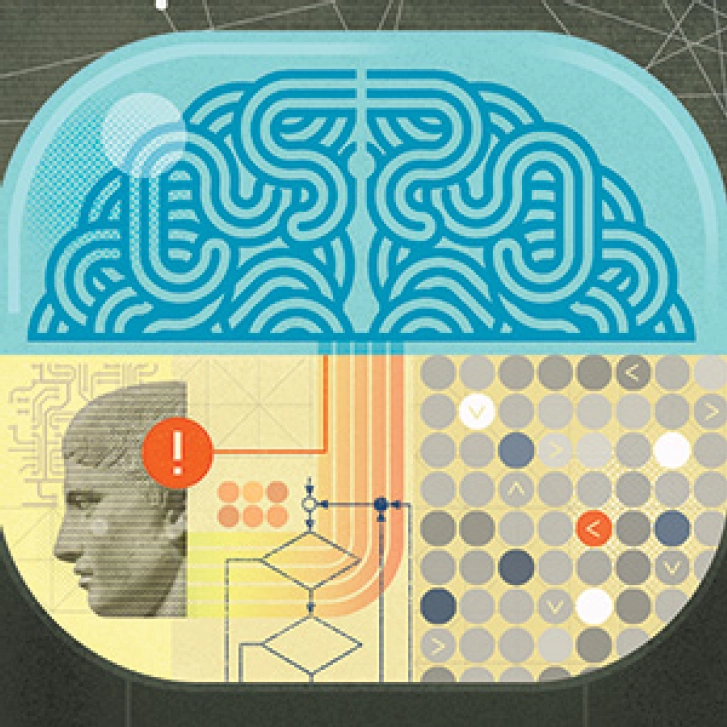
Using artificial intelligence to predict behavior can lead to devastating policy mistakes. Health and development programs must learn to apply causal models that better explain why people behave the way they do to help identify the most effective levers for change.

Two years ago I quit my nonprofit CEO job. I’ve just had the two most productive years of my career.