


Chronic Problems, Not Just Crises, Should Be a Global Health Priority
Addressing non-urgent, lasting conditions such as poor eyesight can help unlock the full potential of the developing world.
Addressing non-urgent, lasting conditions such as poor eyesight can help unlock the full potential of the developing world.

The White House, manufacturing, e-commerce, and nonprofits team up to get diapers to families in need.
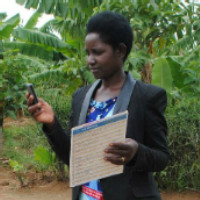
After a period of war and genocide, Rwanda launched a national health insurance program that is now delivering sharply improved outcomes.

A 21st-century collaborative framework has the potential to deliver more effective and affordable therapies by aligning and engaging all sectors of society.

Large health care systems are beginning to invest core operating dollars in connecting their patients to community resources, in service of the ultimate solution to better costs and outcomes: keeping patients healthy.


Our understanding of community can help funders and evaluators identify, understand, and strengthen the communities they work with.

Two veterans of consumer psychology, marketing, and entrepreneurship provide a guide to using social media for social change.

Instead of pressuring already-stressed individuals to fix themselves, true wellness requires organization-level interventions.
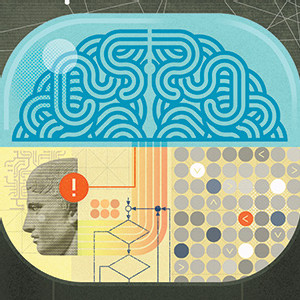
Using artificial intelligence to predict behavior can lead to devastating policy mistakes. Health and development programs must learn to apply causal models that better explain why people behave the way they do to help identify the most effective levers for change.

Two years ago I quit my nonprofit CEO job. I’ve just had the two most productive years of my career.