


President Carter’s Inspiring Model of Civic Leadership
His post-presidency demonstrated a special combination of bold aspiration coupled with strategic, detailed, and sustained execution.

His post-presidency demonstrated a special combination of bold aspiration coupled with strategic, detailed, and sustained execution.

Innovation stories on social connection, empowering youth, and revitalizing green spaces offer some year-end inspiration.

Stories selected by the editors of Stanford Social Innovation Review’s global editions and why they chose to share them with their local audiences.

Healing trauma in systems; a critique of strategic philanthropy; nonprofit growth revisited; AI-powered nonprofits; communication in a new era; and more.

To counter disruptive market forces changing the media, nonprofit communicators can adopt ideas from other sectors, their own programmatic strengths, and communities.


Our understanding of community can help funders and evaluators identify, understand, and strengthen the communities they work with.

Two veterans of consumer psychology, marketing, and entrepreneurship provide a guide to using social media for social change.

Instead of pressuring already-stressed individuals to fix themselves, true wellness requires organization-level interventions.
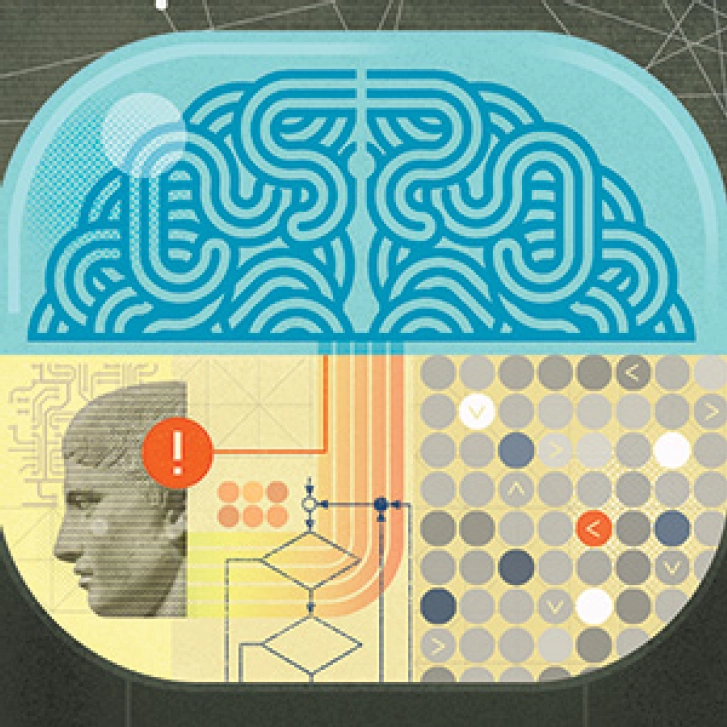
Using artificial intelligence to predict behavior can lead to devastating policy mistakes. Health and development programs must learn to apply causal models that better explain why people behave the way they do to help identify the most effective levers for change.

Two years ago I quit my nonprofit CEO job. I’ve just had the two most productive years of my career.