How Funders Can Make Disability Visible
Disability is a relatively untapped area of investment for philanthropy, but one that offers promise of change and multiple avenues for donor impact.
Namati provides legal knowledge to communities around the world to help them defend their land, environmental, and other civil rights against abuse by commercial and political aggressors.
Advancing racial equity within your organization requires making accountability a cultural norm.
A Brazilian health collaborative uses improvement science and the concept of “liberatory consciousness” to address racism in maternity care.
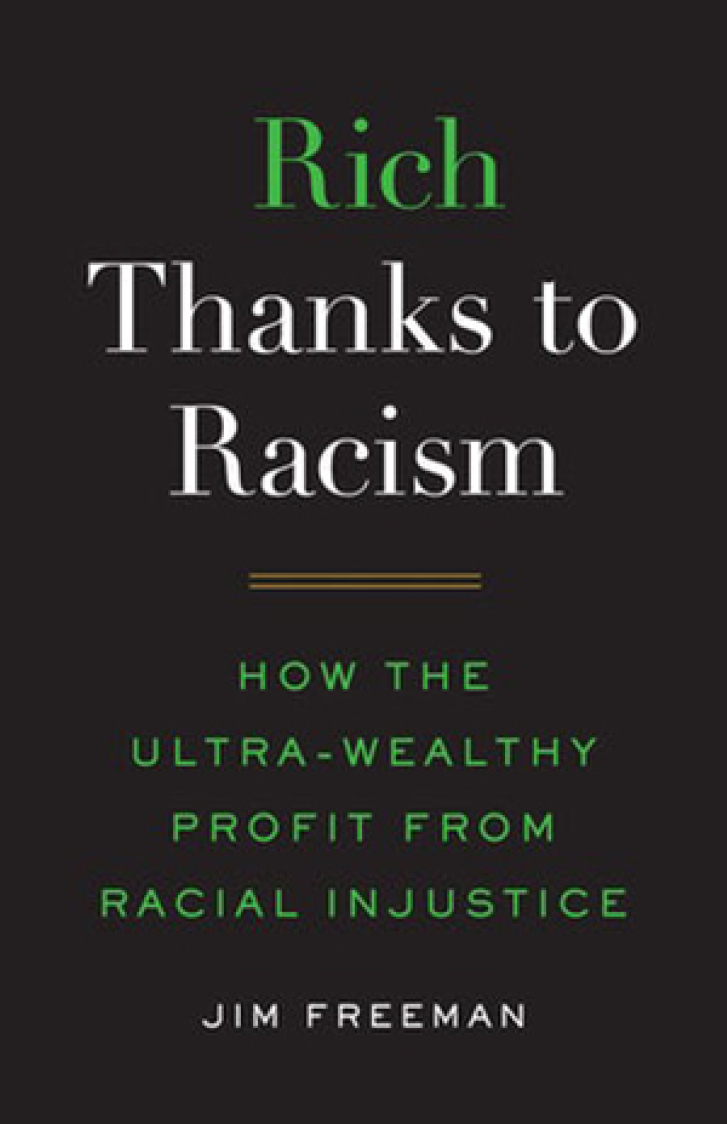
White men have taken extraordinary measures to keep construction unions white and have designed their unions to frustrate and intimidate prospective Black members.
Professionalism has become coded language for white favoritism in workplace practices that more often than not leave behind people of color. This is the fourth of 10 articles in a special series about diversity, equity, and inclusion.
Laws and programs designed to benefit vulnerable groups, such as the disabled or people of color, often end up benefiting all of society.
A clear definition of equity would seem paramount to galvanizing philanthropy into action around this increasingly used term—but the field is only beginning to explore what it really means.
Stereotypes and racial bias in hiring and promotion are damaging at personal, career, and organizational levels.
Because decentralization doesn’t necessarily mean redistributing power, Web3 must make values integral to the architecture.