


How Work Helps Refugees Thrive
Employment helps immigrants identify with the organizations they work for and integrate with society at large.

Employment helps immigrants identify with the organizations they work for and integrate with society at large.
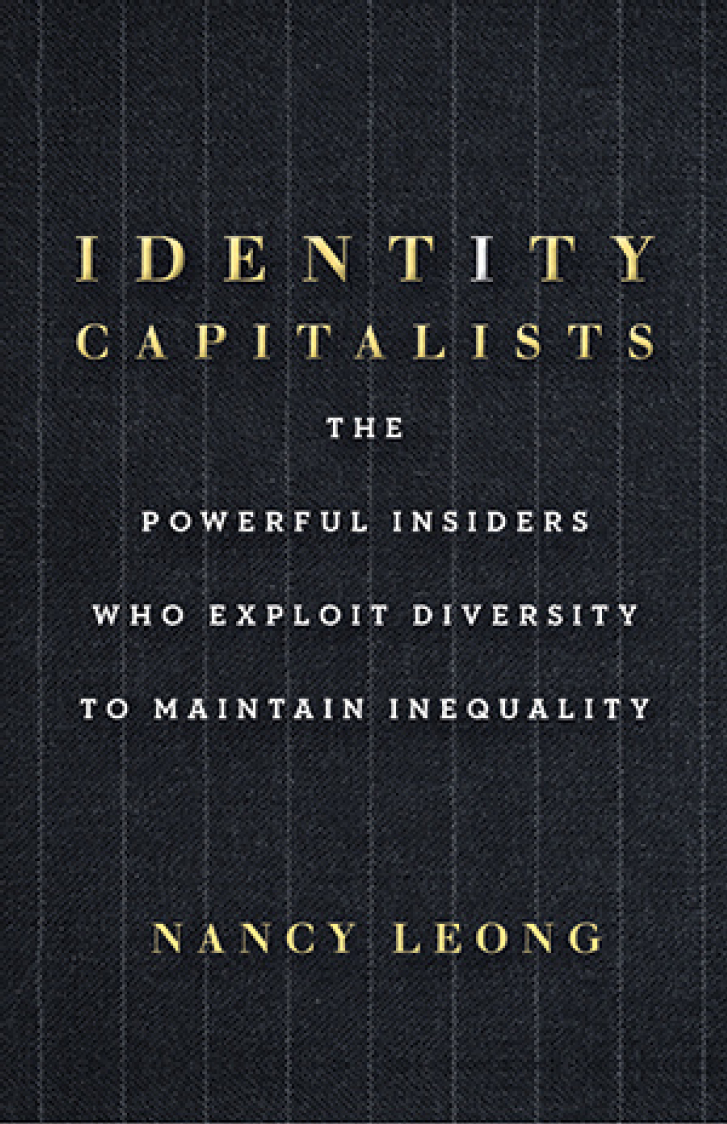
Nancy Leong’s Identity Capitalists reveals the profit motives of diversity and inclusion strategies.

Links to all of SSIR's online-only articles published the past three months, with editors' notes about standout pieces on fighting disinformation, Indigenous entrepreneurs, multigenerational innovations, and effective virtual boards.

The Asian American and Pacific Islander communities and their allies are rallying against anti-Asian hatred by calling it out.

Social sector leaders who “speak for” marginalized groups engage in harmful behavior that excludes marginalized communities from making decisions that affect their lives.


Professionalism has become coded language for white favoritism in workplace practices that more often than not leave behind people of color. This is the fourth of 10 articles in a special series about diversity, equity, and inclusion.

Laws and programs designed to benefit vulnerable groups, such as the disabled or people of color, often end up benefiting all of society.

A clear definition of equity would seem paramount to galvanizing philanthropy into action around this increasingly used term—but the field is only beginning to explore what it really means.

Stereotypes and racial bias in hiring and promotion are damaging at personal, career, and organizational levels.

Because decentralization doesn’t necessarily mean redistributing power, Web3 must make values integral to the architecture.