


We Can’t Wait 202 Years for Gender Equality
Leaders fighting for gender equality can accelerate progress by looking for support in unexpected places, boosting successful efforts already underway, and using new data to augment their advocacy.

Leaders fighting for gender equality can accelerate progress by looking for support in unexpected places, boosting successful efforts already underway, and using new data to augment their advocacy.
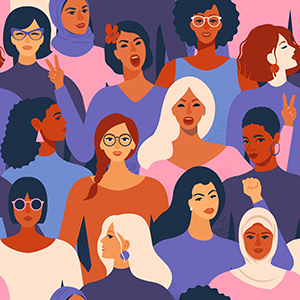
To mark the March 8 celebration of women's achievements, SSIR has put together a reading list of 10 articles on the strategies and tactics behind advancing gender equality.

Businesses can help advance gender equality by shifting individual behavior, committing to inclusive organizations, and using their external influence to shape new social norms.

Less than 0.3 percent of philanthropic dollars go to indigenous communities, despite disproportionate poverty and challenges in vital areas such as education and infrastructure. The NDN Collective is shifting that balance. A What's Next article from the Spring 2020 issue.
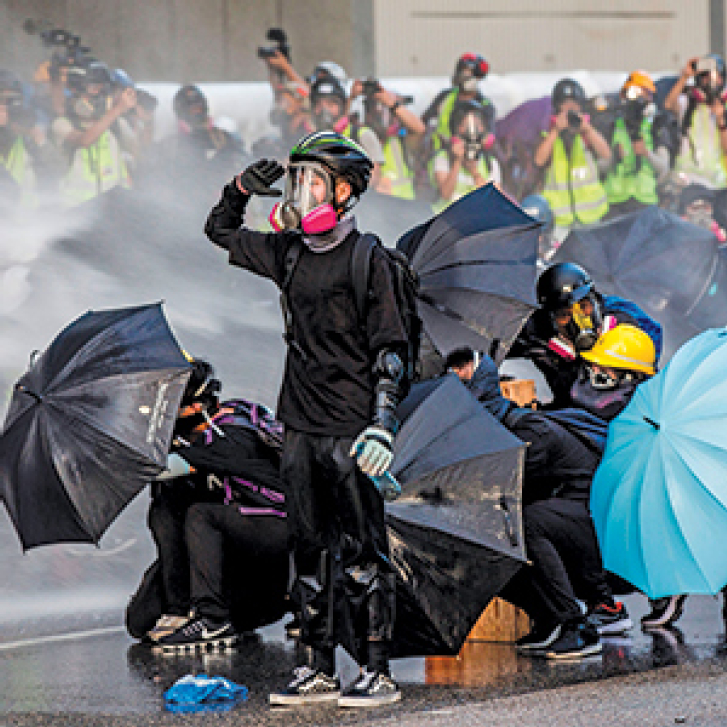
As both a symbol and a tool, the umbrellas used by Hong Kong protesters serve as a cunning accomplice in their fight to sustain democracy.


Professionalism has become coded language for white favoritism in workplace practices that more often than not leave behind people of color. This is the fourth of 10 articles in a special series about diversity, equity, and inclusion.

Laws and programs designed to benefit vulnerable groups, such as the disabled or people of color, often end up benefiting all of society.

A clear definition of equity would seem paramount to galvanizing philanthropy into action around this increasingly used term—but the field is only beginning to explore what it really means.

Stereotypes and racial bias in hiring and promotion are damaging at personal, career, and organizational levels.

Because decentralization doesn’t necessarily mean redistributing power, Web3 must make values integral to the architecture.