sponsored
Supporting Women’s Rights in Troubled Times
How women’s movements are holding ground and breaking ground.
How women’s movements are holding ground and breaking ground.

What is the role of community-based innovation in a rapidly changing world?

How a New York community center is training college advisors, school counselors, volunteers, and members of community-based organizations to provide high-quality college advising.
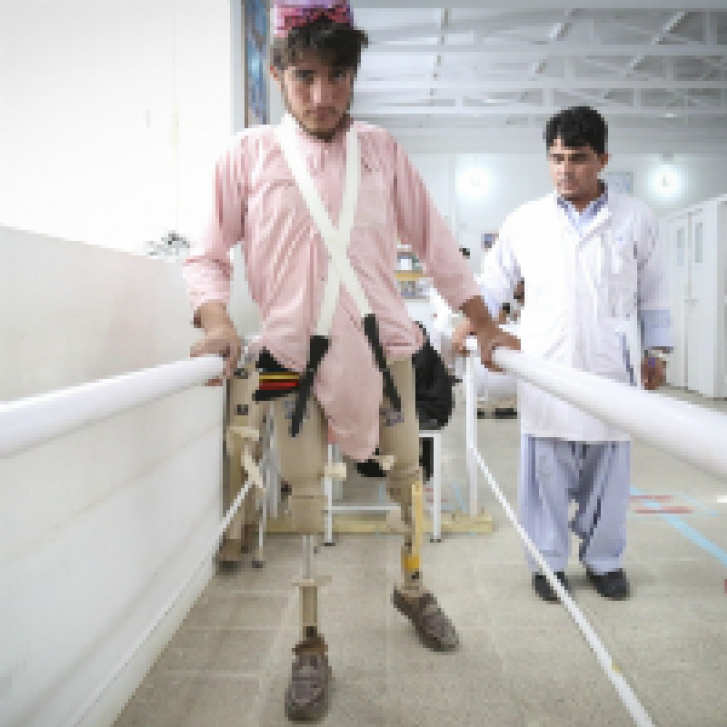
Why pay-for-success models of humanitarian impact investing offer promise for the future.
By designing programs and policies to overcome longstanding systemic barriers in communities, we can expand opportunities for equity.


Professionalism has become coded language for white favoritism in workplace practices that more often than not leave behind people of color. This is the fourth of 10 articles in a special series about diversity, equity, and inclusion.

Laws and programs designed to benefit vulnerable groups, such as the disabled or people of color, often end up benefiting all of society.

A clear definition of equity would seem paramount to galvanizing philanthropy into action around this increasingly used term—but the field is only beginning to explore what it really means.

Stereotypes and racial bias in hiring and promotion are damaging at personal, career, and organizational levels.

Because decentralization doesn’t necessarily mean redistributing power, Web3 must make values integral to the architecture.