


Data On Purpose | Do Good Data: Prediction vs Bias
Is it possible to use data to make predictions without enforcing existing biases?

Is it possible to use data to make predictions without enforcing existing biases?

The B Corp movement has pushed a powerful model of socially responsible business that has the potential to advance human rights. But it has so far failed to engage human rights advocates—to its detriment.
New legislation around the United States aims to combat the widespread practice of shaming students who cannot pay for school lunch.

Promoting menstrual health is critical to women’s economic empowerment around the world.
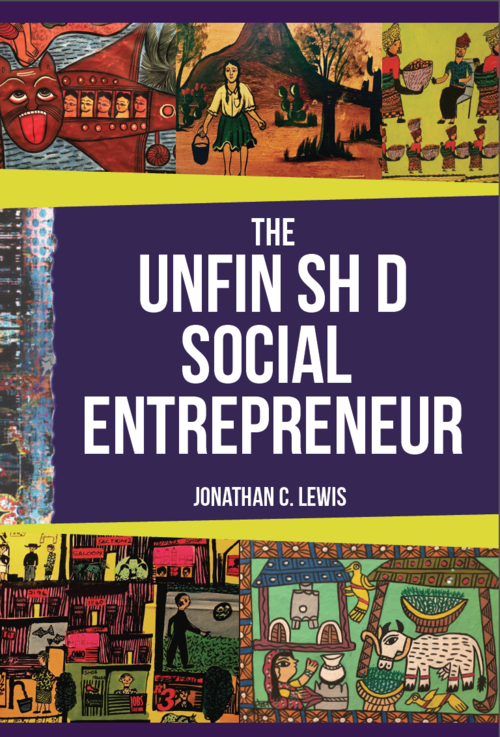
In accepting responsibility for social entrepreneurship, you and I accept the inescapable tension between two very legitimate impulses: the impulse to respect a community, and the impulse to change it.


Professionalism has become coded language for white favoritism in workplace practices that more often than not leave behind people of color. This is the fourth of 10 articles in a special series about diversity, equity, and inclusion.

Laws and programs designed to benefit vulnerable groups, such as the disabled or people of color, often end up benefiting all of society.

A clear definition of equity would seem paramount to galvanizing philanthropy into action around this increasingly used term—but the field is only beginning to explore what it really means.

Stereotypes and racial bias in hiring and promotion are damaging at personal, career, and organizational levels.

Because decentralization doesn’t necessarily mean redistributing power, Web3 must make values integral to the architecture.