


The Law of Networks
The Innocence Network, an international collaboration of pro bono legal and investigative organizations, grows rapidly and flexibly.
The Innocence Network, an international collaboration of pro bono legal and investigative organizations, grows rapidly and flexibly.

MOVING POLITICS: Emotions and ACT UP’s Fight Against AIDS by Deborah B. Gould

CREATIVE COMMUNITY ORGANIZING: A Guide for Rabble-Rousers, Activists, and Quiet Lovers of Justice by Si Kahn
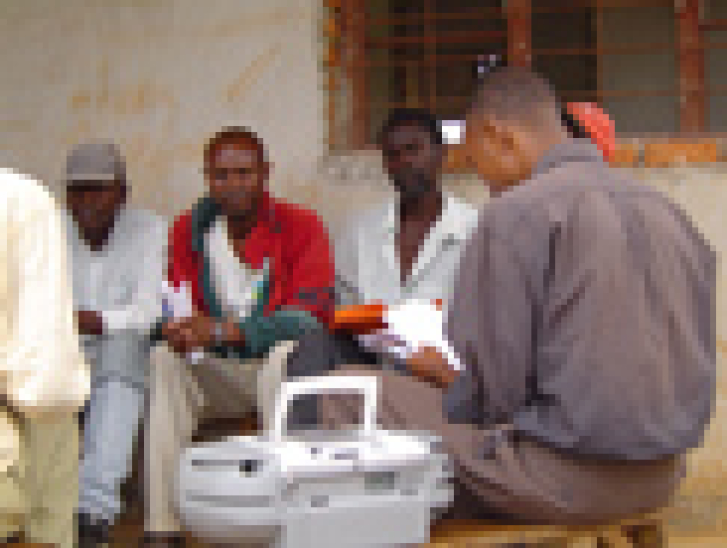
In Rwanda, Radio La Benevolencija uses soap operas to heal ethnic tensions. Listeners who tune into a weekly show about feuding ethnic groups are more likely than non-listeners to stand up to authority and to voice their own opinions.

Harnessing engineering innovation and technology to further social causes is one path to social enterprise. In this university podcast, sponsored by Stanford's Center for Social Innovation, former rocket scientist Jim Fruchterman talks about how he created Benetech, an organization that uses technology innovation and business expertise to solve unmet social needs. He discusses how he has leveraged the intellectual capital and resources of Silicon Valley to create solutions that are truly life changing.


Professionalism has become coded language for white favoritism in workplace practices that more often than not leave behind people of color. This is the fourth of 10 articles in a special series about diversity, equity, and inclusion.

Laws and programs designed to benefit vulnerable groups, such as the disabled or people of color, often end up benefiting all of society.

A clear definition of equity would seem paramount to galvanizing philanthropy into action around this increasingly used term—but the field is only beginning to explore what it really means.

Stereotypes and racial bias in hiring and promotion are damaging at personal, career, and organizational levels.

Because decentralization doesn’t necessarily mean redistributing power, Web3 must make values integral to the architecture.