The Wrong Risks
By paying so much attention to managing their own risks, philanthropists are no longer attending to the marginalized people who risk so much to make change happen.
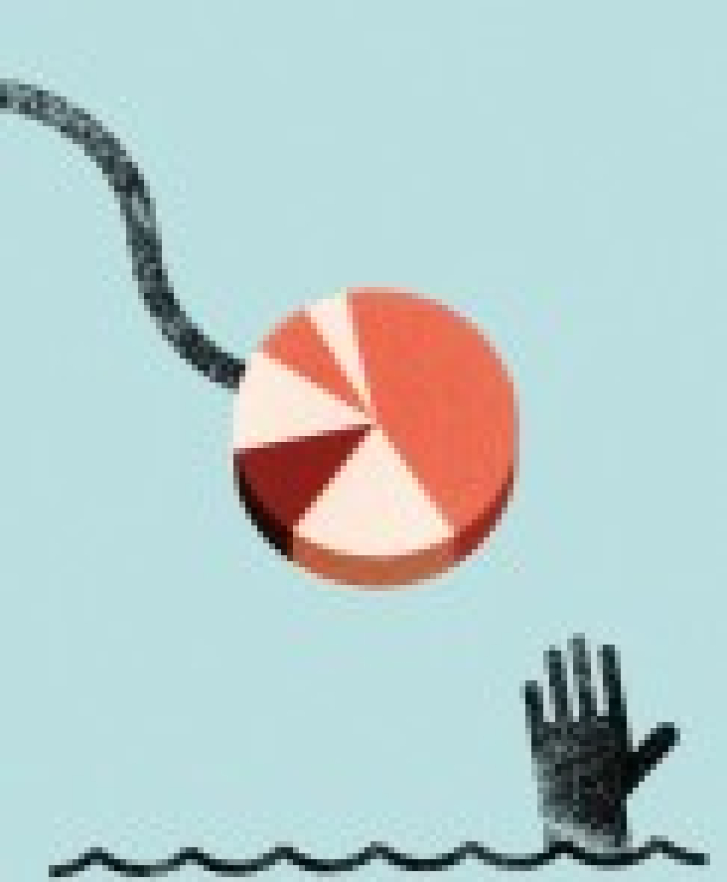
By paying so much attention to managing their own risks, philanthropists are no longer attending to the marginalized people who risk so much to make change happen.
Marcia Stepanek reports back on the Alliance for Youth Movements conference and the power of social media in modern politics.
The more empowered a country's women, the more vibrant its nonprofit sector.
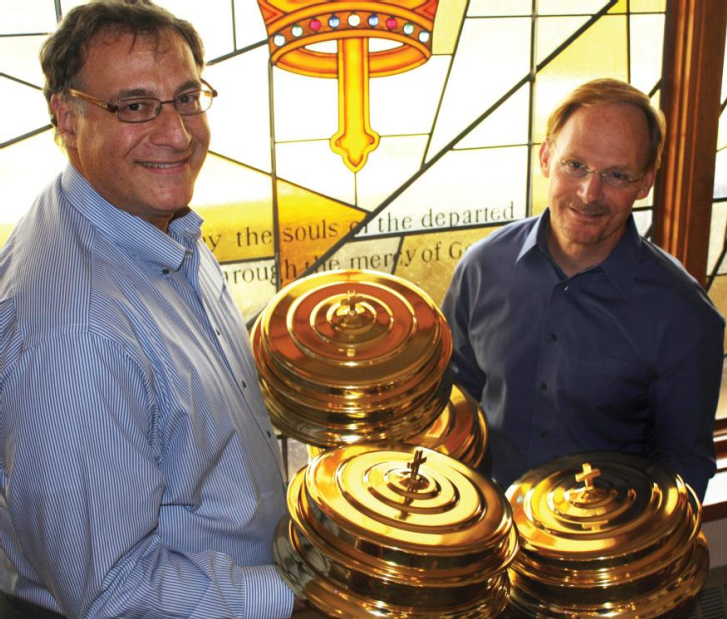
Forget about luring big companies with tax incentives and subsidized space. Chris Gibbons focuses Littleton, Colorado's efforts on growing home-town businesses.
Hagar was the biblical woman who became the victim of neglect and violence when she was cast out of the fold of Abraham and Sarah. In Cambodia, Afghanistan, and Vietnam, thousands of "Hagars" and their children suffer poverty, trafficking, and other human rights abuses. Janet Tafel, who was invited by the Center for Social Innovation at Stanford, discusses how her organization, Hagar USA, helps individuals restore their lives through holistic healing, community integration, and social entrepreneurship.


Professionalism has become coded language for white favoritism in workplace practices that more often than not leave behind people of color. This is the fourth of 10 articles in a special series about diversity, equity, and inclusion.

Laws and programs designed to benefit vulnerable groups, such as the disabled or people of color, often end up benefiting all of society.

A clear definition of equity would seem paramount to galvanizing philanthropy into action around this increasingly used term—but the field is only beginning to explore what it really means.

Stereotypes and racial bias in hiring and promotion are damaging at personal, career, and organizational levels.

Because decentralization doesn’t necessarily mean redistributing power, Web3 must make values integral to the architecture.