


Mapping the Path to Women’s Suffrage
The National Collaborative for Women’s History Sites is establishing a nationwide trail to commemorate women’s history.
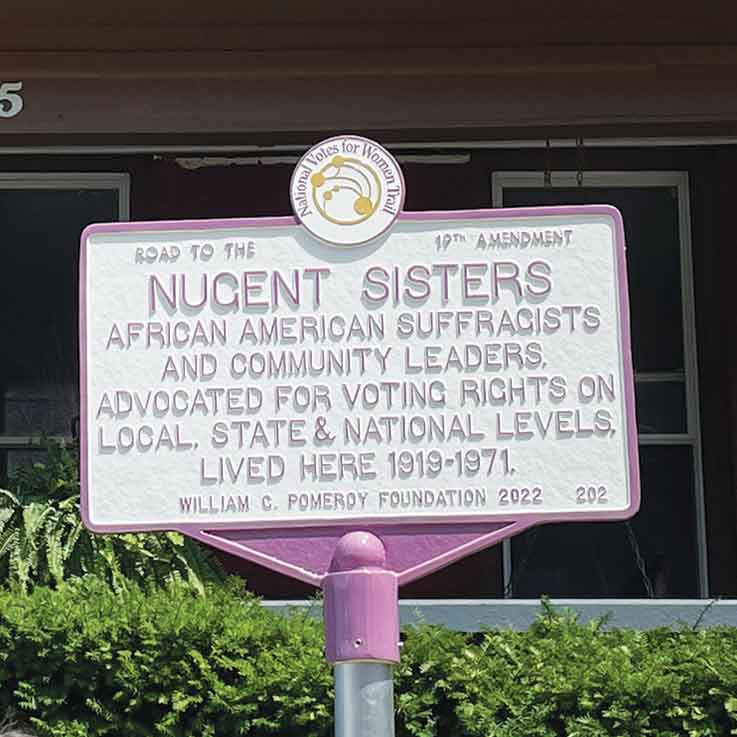
The National Collaborative for Women’s History Sites is establishing a nationwide trail to commemorate women’s history.

Google search trends worldwide suggest that human rights will continue to resonate with resistance movements in the Global South.
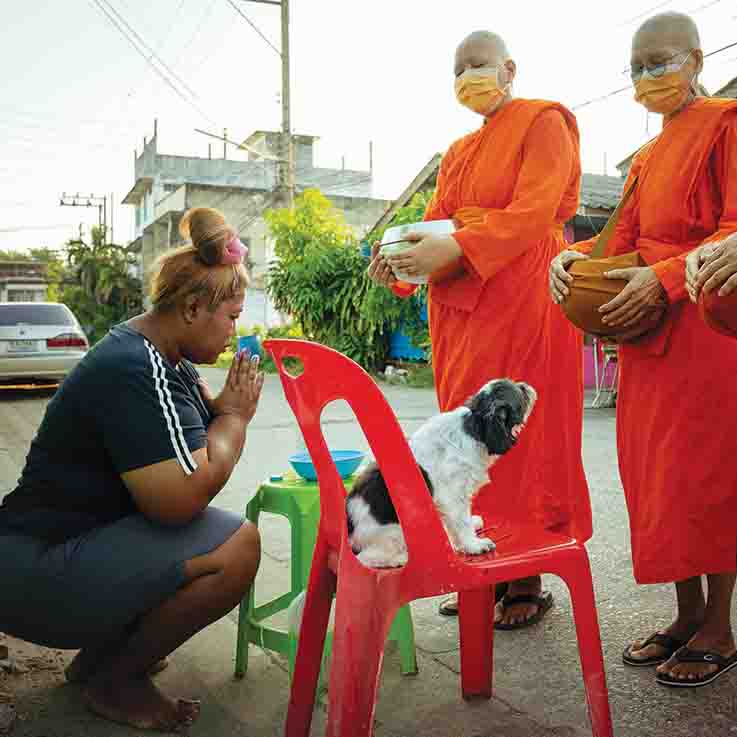
Female monks remain unrecognized by officials, yet are fighting for inclusion through their practice.

Data is a powerful tool in addressing contemporary challenges, but current consent models don’t go far enough to align with community expectations and protect vulnerable populations.
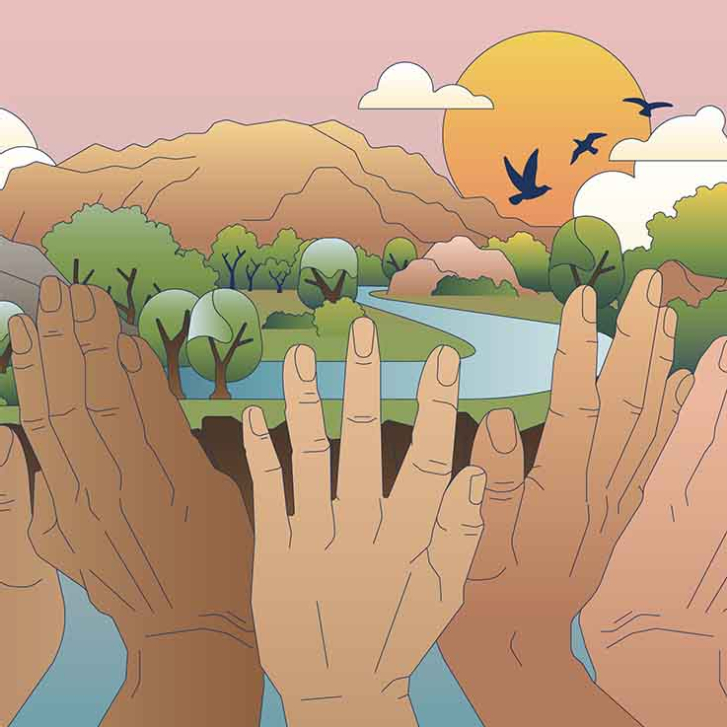
Despite adversities, Indigenous Peoples of the Americas continue to thrive and develop solutions to social problems that help their communities—and the wider world.


Professionalism has become coded language for white favoritism in workplace practices that more often than not leave behind people of color. This is the fourth of 10 articles in a special series about diversity, equity, and inclusion.

Laws and programs designed to benefit vulnerable groups, such as the disabled or people of color, often end up benefiting all of society.

A clear definition of equity would seem paramount to galvanizing philanthropy into action around this increasingly used term—but the field is only beginning to explore what it really means.

Stereotypes and racial bias in hiring and promotion are damaging at personal, career, and organizational levels.

Because decentralization doesn’t necessarily mean redistributing power, Web3 must make values integral to the architecture.