


Six Ways to Boost Public Support for Prevention-Based Policy
Communications strategies for advocates, activists, and researchers who want to build support for preventative approaches to solving social problems.

Communications strategies for advocates, activists, and researchers who want to build support for preventative approaches to solving social problems.

Machine learning is neither a panacea nor as technically daunting as some believe. When it comes to global development, the key is to ask the right questions, and then see if and how it can help.

Nonprofits that engage in political activity benefit themselves, those they serve, and the political system as a whole.

Scaling up data capacity requires champions at every level, be that a school district, state government, or national network.
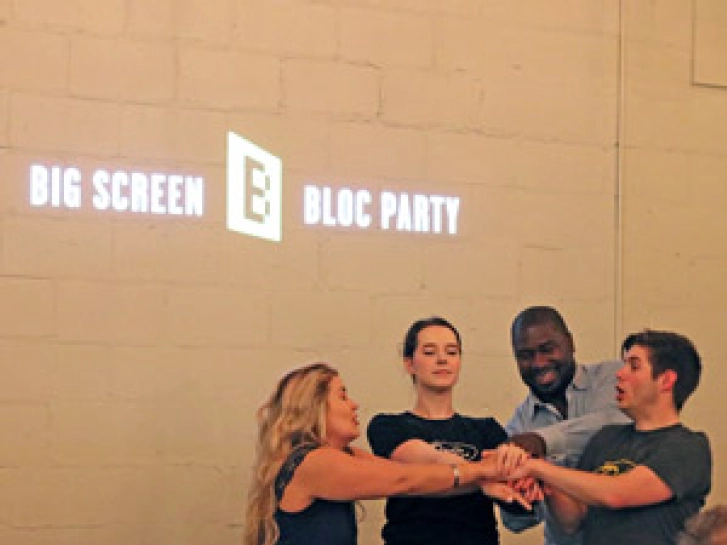
To build more inclusive movements, social advocacy organizations and activists need to create stories that can engage both familiar and new communities.


Professionalism has become coded language for white favoritism in workplace practices that more often than not leave behind people of color. This is the fourth of 10 articles in a special series about diversity, equity, and inclusion.

More nonprofits are managing their brands to create greater impact and organizational cohesion.

The key to creating a vibrant and sustainable company is to find ways to get all employees personally engaged in day-to-day corporate sustainability efforts.

In the face of increasingly pressing systemic inequities, nonprofit boards must change the traditional ways they have worked and instead prioritize an organization's purpose, show respect for the ecosystem in which they operate, commit to equity, and recognize that power must be authorized by the people they're aiming to help.

Five practical considerations for organizations that want to use intentional influence to achieve a bold social goal.