


How to Make Design Thinking More Disability Inclusive
A three-tiered framework for making human-centered design more inclusive of people with disabilities can help organizations improve their own programs.
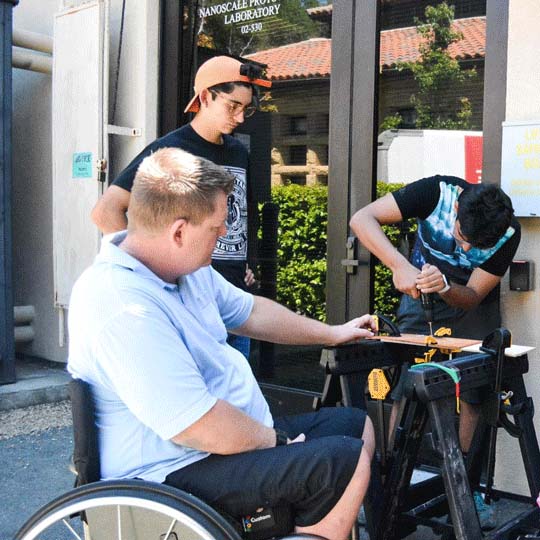
A three-tiered framework for making human-centered design more inclusive of people with disabilities can help organizations improve their own programs.
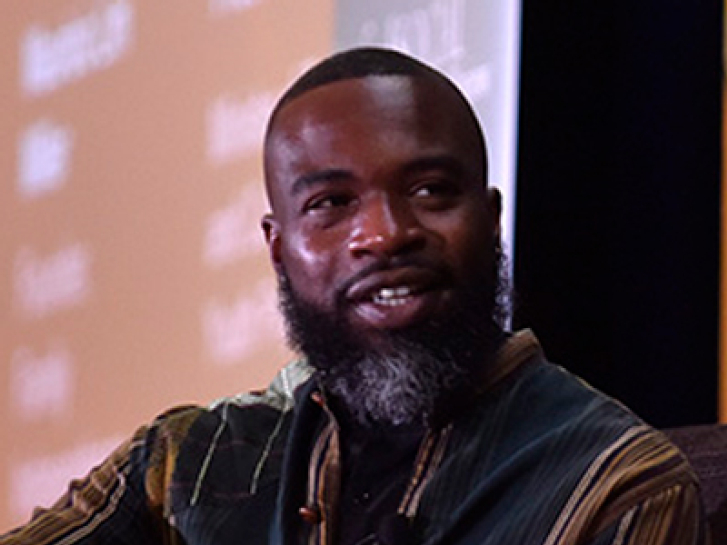
Leaders working on issues including public health, human rights, and economic development discuss how nonprofits can do better by treating the people they’re trying to help as partners, not patients.
If funders want to improve DEI in their organizations, they need to re-define risk, emphasize trust, and reflect the communities they serve.
Why investors need to deploy both grant capital and investment capital to create pathways for equitable opportunity.

Foundations are deploying a wide range of impact investing strategies to advance racial equity in the United States.


Professionalism has become coded language for white favoritism in workplace practices that more often than not leave behind people of color. This is the fourth of 10 articles in a special series about diversity, equity, and inclusion.

More nonprofits are managing their brands to create greater impact and organizational cohesion.

The key to creating a vibrant and sustainable company is to find ways to get all employees personally engaged in day-to-day corporate sustainability efforts.

In the face of increasingly pressing systemic inequities, nonprofit boards must change the traditional ways they have worked and instead prioritize an organization's purpose, show respect for the ecosystem in which they operate, commit to equity, and recognize that power must be authorized by the people they're aiming to help.

Five practical considerations for organizations that want to use intentional influence to achieve a bold social goal.