Connecting Climate Resilience to the Bottom Line
The time is ripe for companies to look beyond quarterly earnings and depreciation schedules, and into frameworks and strategies that will build long-term resilience.
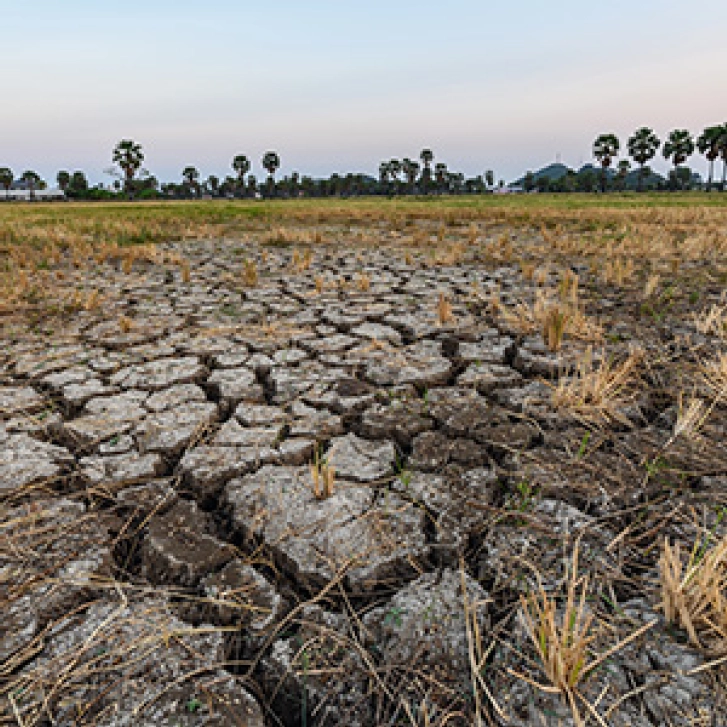
The time is ripe for companies to look beyond quarterly earnings and depreciation schedules, and into frameworks and strategies that will build long-term resilience.
Teal—an emerging organizational model centered on principles like self-management and wholeness—has great promise, but to leverage its potential, NGOs must understand its opportunities and challenges.
Four strategies for scale from a local mattress recycling effort that is going beyond waste reduction and expanding across the United States.

The social sector needs to take greater advantage of the behavioral sciences when developing programs and services.

The Contributor Development Partnership is revitalizing public broadcasting with a fundraising model that can help other large nonprofits with local affiliates.


Professionalism has become coded language for white favoritism in workplace practices that more often than not leave behind people of color. This is the fourth of 10 articles in a special series about diversity, equity, and inclusion.

More nonprofits are managing their brands to create greater impact and organizational cohesion.

The key to creating a vibrant and sustainable company is to find ways to get all employees personally engaged in day-to-day corporate sustainability efforts.

In the face of increasingly pressing systemic inequities, nonprofit boards must change the traditional ways they have worked and instead prioritize an organization's purpose, show respect for the ecosystem in which they operate, commit to equity, and recognize that power must be authorized by the people they're aiming to help.

Five practical considerations for organizations that want to use intentional influence to achieve a bold social goal.