


Nowhere to Grow
The systematic scale-up of social entrepreneurs’ solutions by Big International NGOs (BINGOs) is simply not a thing. Why not?

The systematic scale-up of social entrepreneurs’ solutions by Big International NGOs (BINGOs) is simply not a thing. Why not?

These battle-tested insights can help social enterprises increase their impact as they navigate severe crises like COVID-19.

The campaign to reform capitalism by making companies prioritize stakeholders could never succeed without getting large multinational corporations on board. Now that Danone, Laureate Education, and Natura have signed on, the B Corp movement is demonstrating how it can be done.
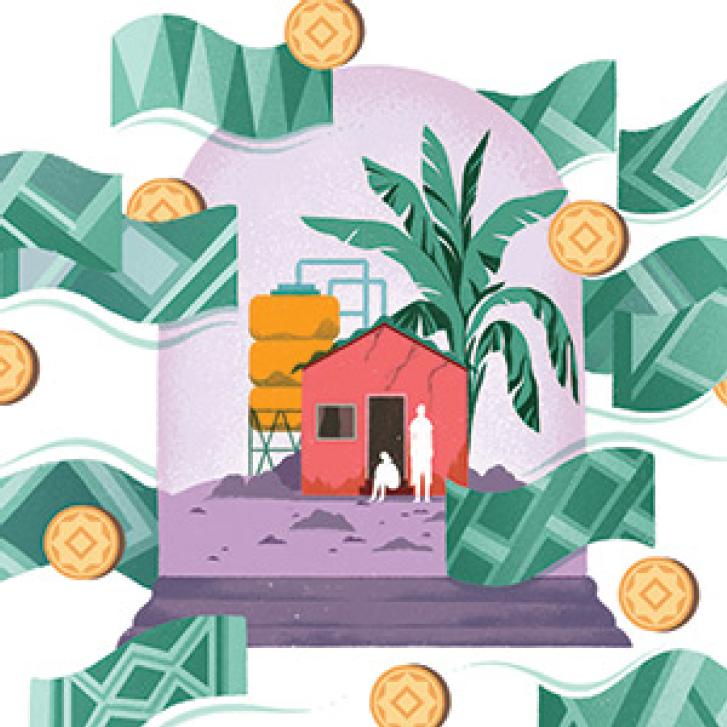
Impact investors pass on enterprises with potential because the deals are too small to justify the effort. A new model works through intermediaries to get entrepreneurs the capital they need.

Judging from our experience of creating employment for Pakistani women in household services, we would do many things differently if we had the chance.


Social entrepreneurship is attracting growing amounts of talent, money, and attention, but along with its increasing popularity has come less certainty about what exactly a social entrepreneur is and does.

By working closely with the clients and consumers, design thinking allows high-impact solutions to social problems to bubble up from below rather than being imposed from the top.

Fair Trade-certified coffee is growing in sales, but strict certification requirements are resulting in uneven economic advantages for coffee growers and lower quality coffee for consumers.

Social entrepreneurship and social enterprise have become popular and positive rallying points for those trying to improve the world, but social innovation is a better vehicle for understanding and creating social change in all of its manifestations.

Understanding these six important differences will both facilitate better conversations and help channel funds appropriately.