


A Medical School for Changemaking
How Amani Institute is building a skills-based and inclusive curriculum for changemaking in the developing world. Part of the Innovating Higher Education series.
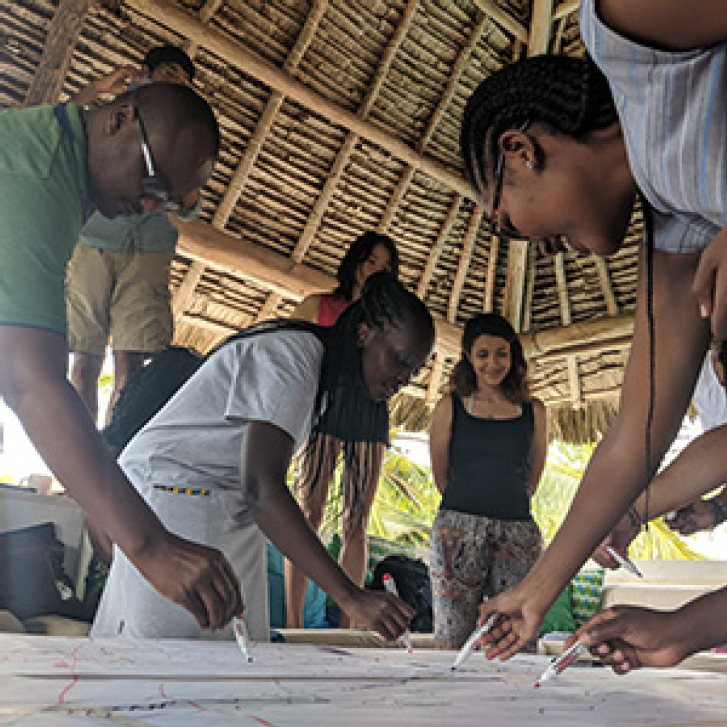
How Amani Institute is building a skills-based and inclusive curriculum for changemaking in the developing world. Part of the Innovating Higher Education series.

Over the last 30 years, half of all coral reefs have died, threatening marine species and people's livelihoods. To reverse this trend, Coral Vita uses a pioneering technique to grow coral in land-based farms up to 50 times faster than they grow naturally. A What's Next article from the Summer 2020 issue.

Since the Great Recession, leaders in finance and investing have aimed to make their industries more equitable, sustainable, and socially productive. Has the fight for financial reform found its moment amid the economic crisis sparked by the COVID-19 pandemic? A Case Study in the Summer 2020 issue.

Water, sanitation, and hygiene projects are not just for low-income countries overseas. They are also desperately needed at home. A Viewpoint from the Summer 2020 issue.
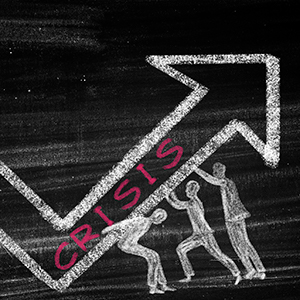
A list of SSIR articles to help social change leaders address operational and financial problems due to the COVID-19 crisis and other situations like it.


Social entrepreneurship is attracting growing amounts of talent, money, and attention, but along with its increasing popularity has come less certainty about what exactly a social entrepreneur is and does.

By working closely with the clients and consumers, design thinking allows high-impact solutions to social problems to bubble up from below rather than being imposed from the top.

Fair Trade-certified coffee is growing in sales, but strict certification requirements are resulting in uneven economic advantages for coffee growers and lower quality coffee for consumers.

Social entrepreneurship and social enterprise have become popular and positive rallying points for those trying to improve the world, but social innovation is a better vehicle for understanding and creating social change in all of its manifestations.

Understanding these six important differences will both facilitate better conversations and help channel funds appropriately.