French Law Revisits Corporate Purpose
A new French law is about to revamp the country’s civil code and its 200-year-old definition of the corporate purpose.
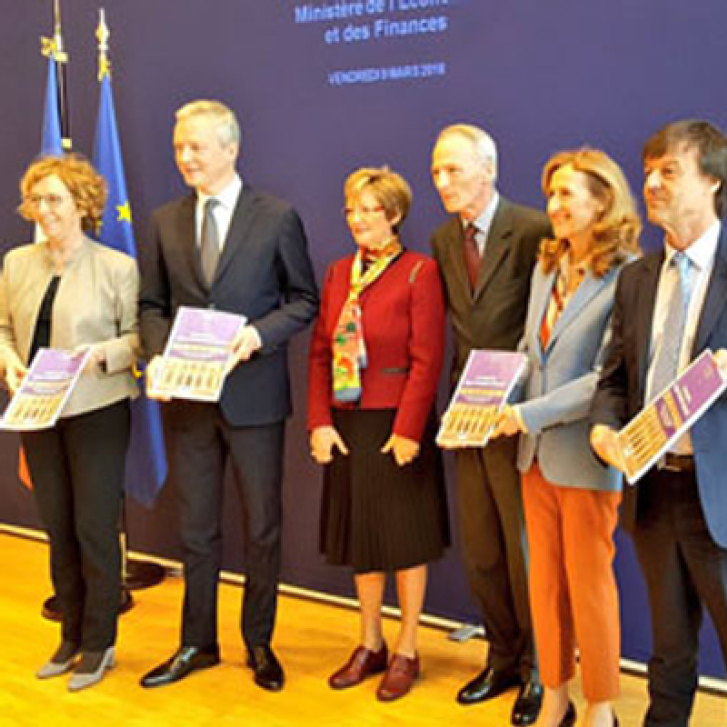
A new French law is about to revamp the country’s civil code and its 200-year-old definition of the corporate purpose.
“Resilience” is a favorite buzzword these days, but what does it really mean, and how can grantmakers and nonprofits take practical steps toward achieving it?

By delivering innovation services to the insurance industry, Ninety Consulting aims to generate and give away a billion pounds ($1.32 billion) over 30 years.
As technology morphs businesses, markets, and economies, we must reimagine how we educate future managers—the UN’s Sustainable Development Goals provide a North Star.
A look at three business structures that let social enterprises scale without sacrificing purpose.


Social entrepreneurship is attracting growing amounts of talent, money, and attention, but along with its increasing popularity has come less certainty about what exactly a social entrepreneur is and does.

By working closely with the clients and consumers, design thinking allows high-impact solutions to social problems to bubble up from below rather than being imposed from the top.

Fair Trade-certified coffee is growing in sales, but strict certification requirements are resulting in uneven economic advantages for coffee growers and lower quality coffee for consumers.

Social entrepreneurship and social enterprise have become popular and positive rallying points for those trying to improve the world, but social innovation is a better vehicle for understanding and creating social change in all of its manifestations.

Understanding these six important differences will both facilitate better conversations and help channel funds appropriately.