



The Competitive Advantage of Social Enterprises
How can social enterprises compete in markets that aren’t focused on impact? Corporate partnerships can help.
How can social enterprises compete in markets that aren’t focused on impact? Corporate partnerships can help.

Katherine Milligan, who directs the Schwab Foundation for Social Entrepreneurship, interviews leaders from organizations harnessing tech tools like drones and e-readers for social good.
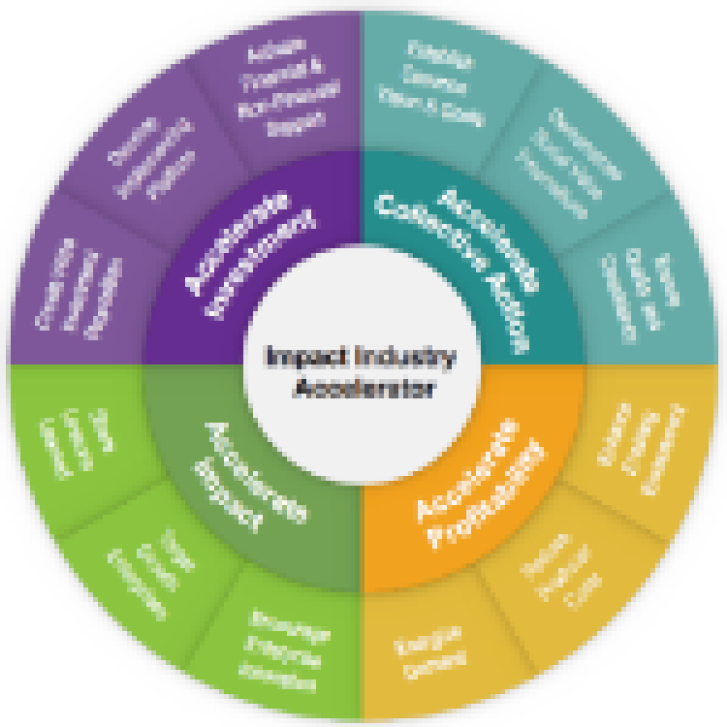
The experience of the Global Alliance for Clean Cookstoves in accelerating investment, collective action, profitability, and impact provides lessons for other impact industries attempting to do the same in base of the pyramid markets across the developing world.

By digitizing indigenous designs for commercial use, Roots Studio connects tribal artists and villages to the global economy, generating new sources of income while preserving cultural traditions.

Social enterprises must navigate the contradictory pulls of social and for-profit goals without tipping too far to one side.


Social entrepreneurship is attracting growing amounts of talent, money, and attention, but along with its increasing popularity has come less certainty about what exactly a social entrepreneur is and does.

By working closely with the clients and consumers, design thinking allows high-impact solutions to social problems to bubble up from below rather than being imposed from the top.

Fair Trade-certified coffee is growing in sales, but strict certification requirements are resulting in uneven economic advantages for coffee growers and lower quality coffee for consumers.

Social entrepreneurship and social enterprise have become popular and positive rallying points for those trying to improve the world, but social innovation is a better vehicle for understanding and creating social change in all of its manifestations.

Understanding these six important differences will both facilitate better conversations and help channel funds appropriately.