


When Innovation Goes Wrong
Organizations often stumble when it comes to turning innovation into impact. Here’s a guide to diagnosing and preventing several “pathologies” that underlie this failure.

Organizations often stumble when it comes to turning innovation into impact. Here’s a guide to diagnosing and preventing several “pathologies” that underlie this failure.
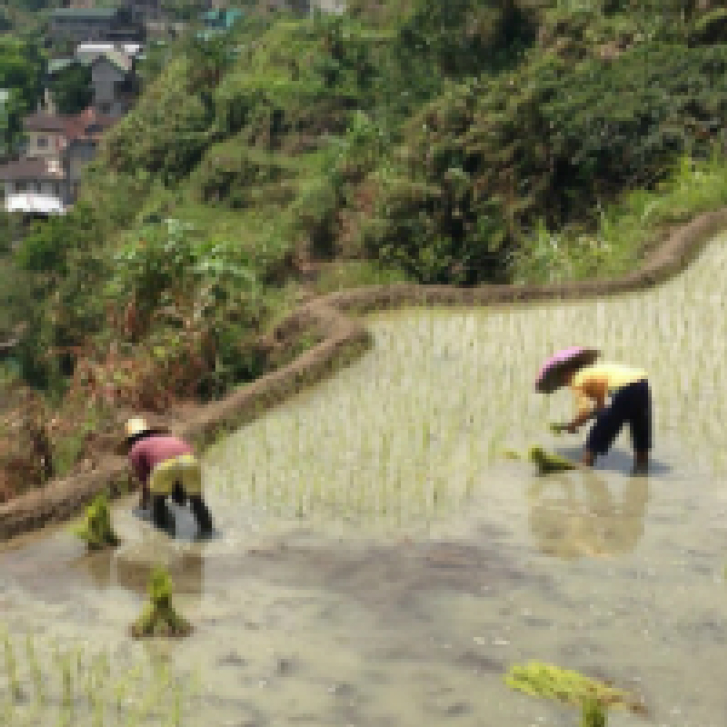
Farmers in the Cordillera region of the Philippines prosper by selling heirloom rice, with help from a company called Eighth Wonder.

Four years ago, a Northern California bookstore reinvented itself as a hybrid social enterprise—and its story continues to unfold.

Through a new initiative, Ashoka hopes to make the field of US social entrepreneurship more diverse, geographically and otherwise.
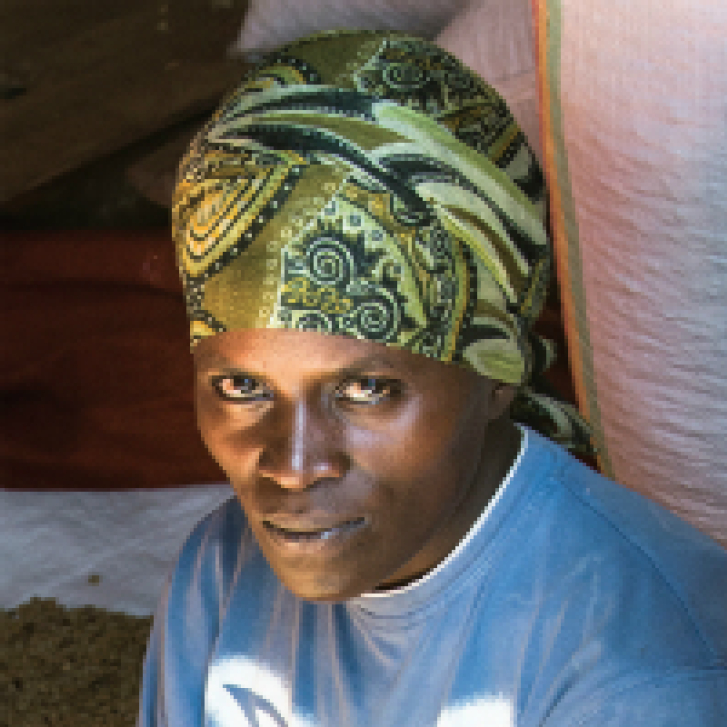
Many of the more than 355,000 smallholder coffee farmers in Rwanda are members of producer co-ops.


Social entrepreneurship is attracting growing amounts of talent, money, and attention, but along with its increasing popularity has come less certainty about what exactly a social entrepreneur is and does.

By working closely with the clients and consumers, design thinking allows high-impact solutions to social problems to bubble up from below rather than being imposed from the top.

Fair Trade-certified coffee is growing in sales, but strict certification requirements are resulting in uneven economic advantages for coffee growers and lower quality coffee for consumers.

Social entrepreneurship and social enterprise have become popular and positive rallying points for those trying to improve the world, but social innovation is a better vehicle for understanding and creating social change in all of its manifestations.

Understanding these six important differences will both facilitate better conversations and help channel funds appropriately.