
Beyond Sexy
Let’s start telling social entrepreneurial aspirants the truth and get those who support the field financially to acknowledge that staying power and relationship-building are ineluctable partners to innovation. Part two of a series.
Let’s start telling social entrepreneurial aspirants the truth and get those who support the field financially to acknowledge that staying power and relationship-building are ineluctable partners to innovation. Part two of a series.
Social entrepreneurs have to get out there and do the work, with enough staying power to make a real impact. Part one of a two-part series.
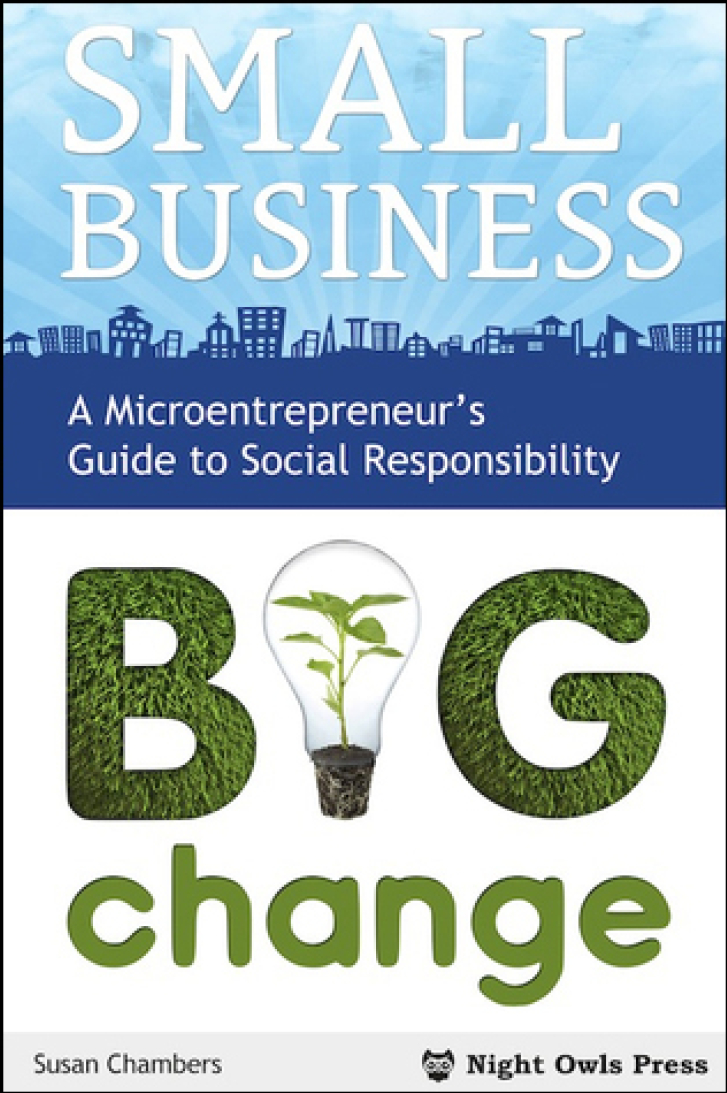
Small Business, Big Change offers guidance for socially responsible small businesses seeking to maximize their impact.
Building an impact economy at scale can help ensure that success and opportunity become the norm for children not the exception.
Nonprofits are making funding an integral part of their mission, and working with for-profits and other nontraditional partners to deliver on that mission.


Social entrepreneurship is attracting growing amounts of talent, money, and attention, but along with its increasing popularity has come less certainty about what exactly a social entrepreneur is and does.

By working closely with the clients and consumers, design thinking allows high-impact solutions to social problems to bubble up from below rather than being imposed from the top.

Fair Trade-certified coffee is growing in sales, but strict certification requirements are resulting in uneven economic advantages for coffee growers and lower quality coffee for consumers.

Social entrepreneurship and social enterprise have become popular and positive rallying points for those trying to improve the world, but social innovation is a better vehicle for understanding and creating social change in all of its manifestations.

Understanding these six important differences will both facilitate better conversations and help channel funds appropriately.