
The True Cost of Social Capital
We’re a long way from bringing the real cost of social capital in line with commercial capital.
We’re a long way from bringing the real cost of social capital in line with commercial capital.
For impact investing to truly harness the power of the market, we need to directly align shareholders’ value with both social impact and profit.
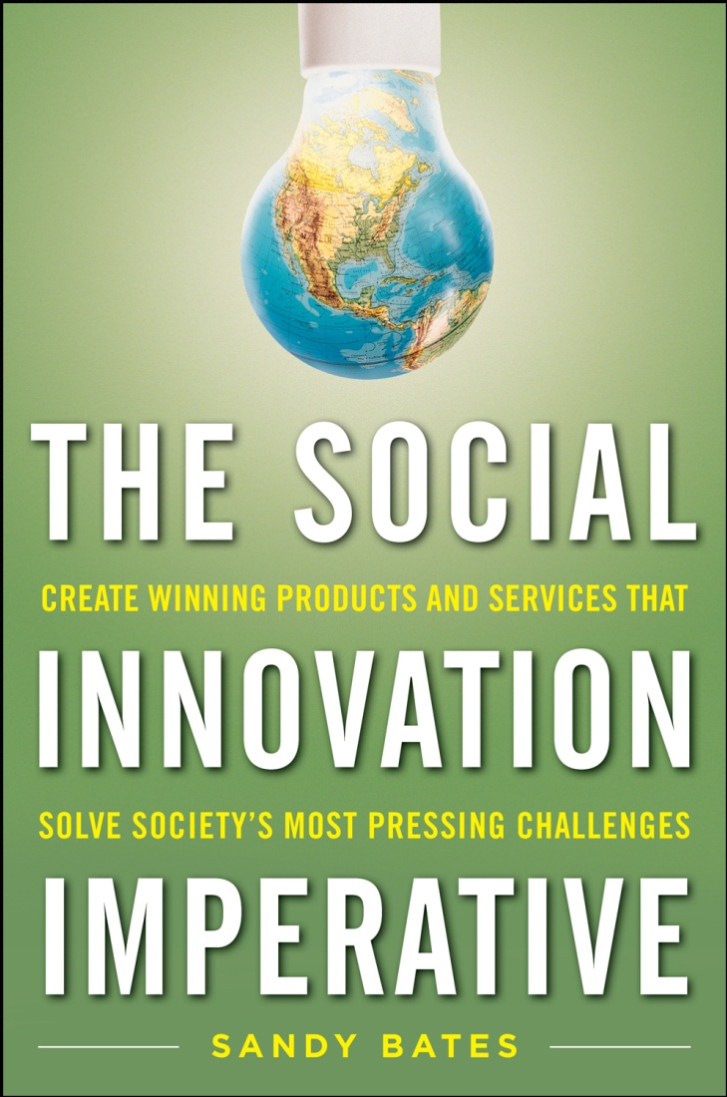
The Social Innovation Imperative outlines a business approach that takes into consideration the difference between innovating for profit and innovating for social good.
It is time to shift gears and to stop searching for best practice models on leadership within the Fortune 500 companies.
As we create new ideas and solutions to society’s problems, we have to be careful not to become too wedded to them and think that they are universally applicable.


Social entrepreneurship is attracting growing amounts of talent, money, and attention, but along with its increasing popularity has come less certainty about what exactly a social entrepreneur is and does.

By working closely with the clients and consumers, design thinking allows high-impact solutions to social problems to bubble up from below rather than being imposed from the top.

Fair Trade-certified coffee is growing in sales, but strict certification requirements are resulting in uneven economic advantages for coffee growers and lower quality coffee for consumers.

Social entrepreneurship and social enterprise have become popular and positive rallying points for those trying to improve the world, but social innovation is a better vehicle for understanding and creating social change in all of its manifestations.

Understanding these six important differences will both facilitate better conversations and help channel funds appropriately.