


Do No Evil
Google DotOrg launched in 2004 with bold ambitions and almost $1 billion in seed funding. But the results have been less than stellar.

Google DotOrg launched in 2004 with bold ambitions and almost $1 billion in seed funding. But the results have been less than stellar.
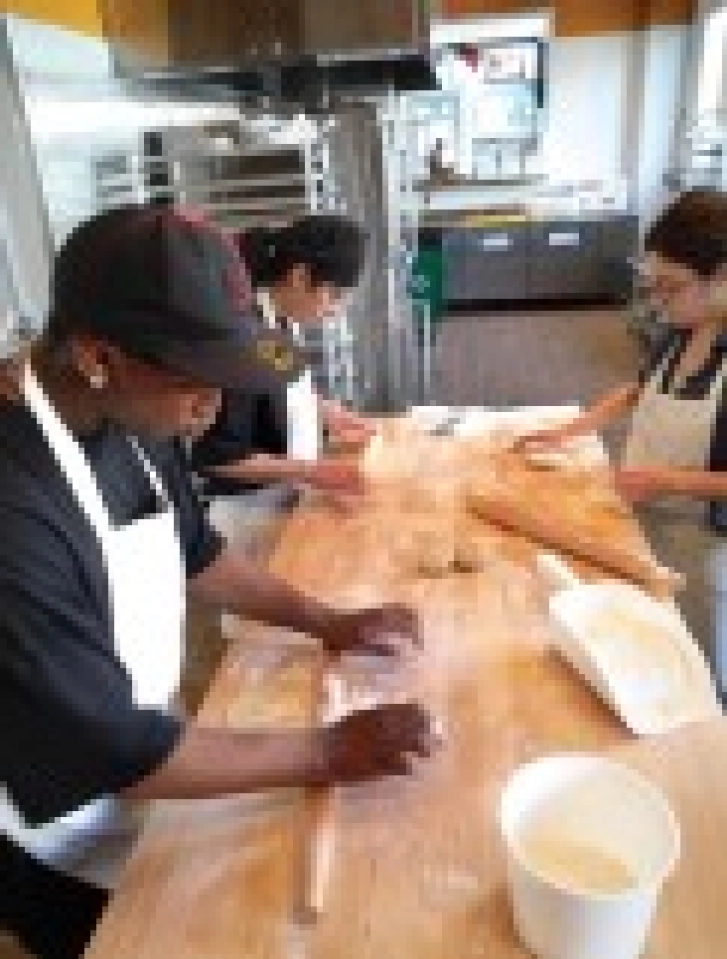
Mission Pie, a for-profit bakery and café, supports local farmers while training at-risk kids.
Express Credit Union reopens in Seattle to serve the unbanked, underbanked, and want-to-be-banked.
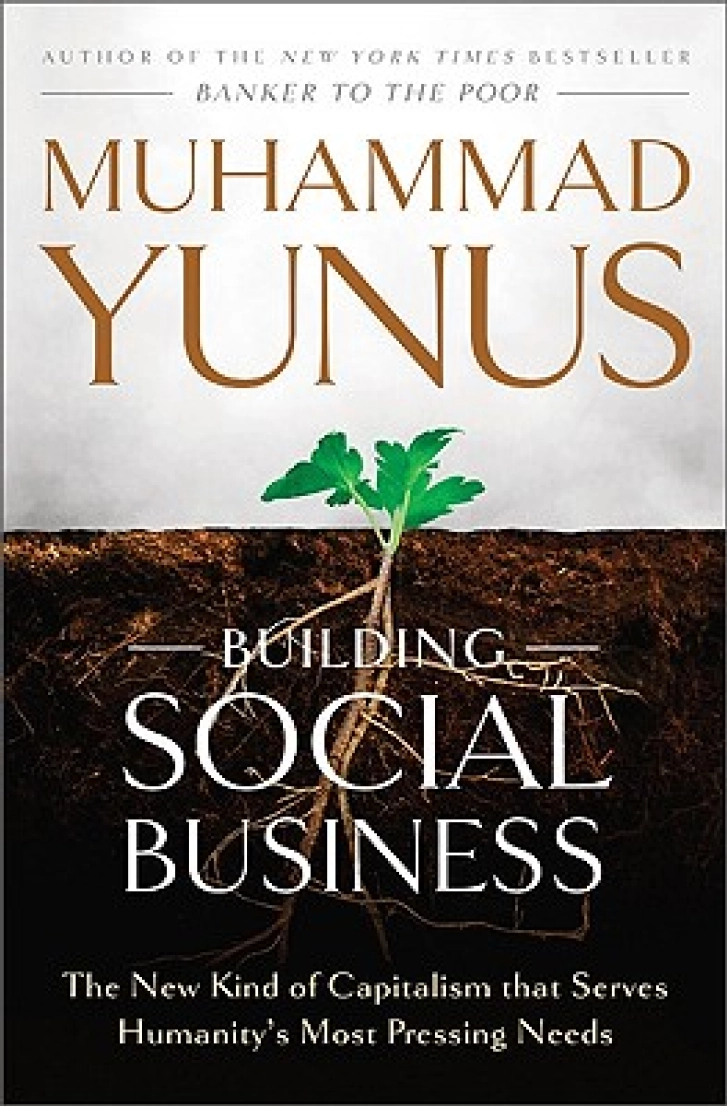
Building Social Business: The New Kind of Capitalism that Serves Humanity’s Most Pressing Needs by Muhammad Yunus

The English hope to sell social impact bonds (potentially paid for by the government) to raise money to fund new programs.


Social entrepreneurship is attracting growing amounts of talent, money, and attention, but along with its increasing popularity has come less certainty about what exactly a social entrepreneur is and does.

By working closely with the clients and consumers, design thinking allows high-impact solutions to social problems to bubble up from below rather than being imposed from the top.

Fair Trade-certified coffee is growing in sales, but strict certification requirements are resulting in uneven economic advantages for coffee growers and lower quality coffee for consumers.

Social entrepreneurship and social enterprise have become popular and positive rallying points for those trying to improve the world, but social innovation is a better vehicle for understanding and creating social change in all of its manifestations.

Understanding these six important differences will both facilitate better conversations and help channel funds appropriately.