
Lagging Imperialists in Social Entrepreneurship and How to Avoid Them
We need more good examples and fewer good intentions in social entrepreneurship and humanitarian design.
We need more good examples and fewer good intentions in social entrepreneurship and humanitarian design.
How do you inspire people, from your CEO to rural farmers to consumers, to change their ways to do good (or at least better) for society?

How can you leverage the power of design thinking and psychological research with practical tools and strategies to get your social enterprise off the ground? In this university podcast, sponsored by the Stanford Center for Social Innovation, Stanford Graduate School of Business marketing professor Jennifer Aaker introduces the "dragonfly effect" model to illustrate how technology can be used to support business and social missions.
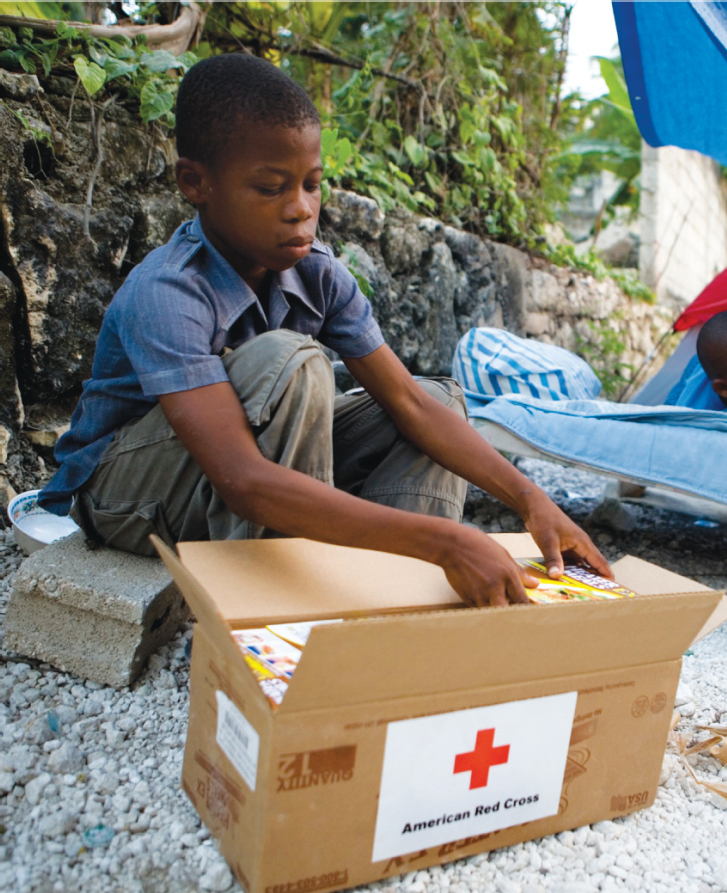
How texting became young donors’ preferred way to make charitable donations.
Whether there is a profit motive or not, the notion that business has a role to play in addressing societal issues is at the heart of today’s discourse on social entrepreneurship.


Social entrepreneurship is attracting growing amounts of talent, money, and attention, but along with its increasing popularity has come less certainty about what exactly a social entrepreneur is and does.

By working closely with the clients and consumers, design thinking allows high-impact solutions to social problems to bubble up from below rather than being imposed from the top.

Fair Trade-certified coffee is growing in sales, but strict certification requirements are resulting in uneven economic advantages for coffee growers and lower quality coffee for consumers.

Social entrepreneurship and social enterprise have become popular and positive rallying points for those trying to improve the world, but social innovation is a better vehicle for understanding and creating social change in all of its manifestations.

Understanding these six important differences will both facilitate better conversations and help channel funds appropriately.