




What an often-misunderstood part of Darwin’s theory of evolution can tell us about where philanthropy might be headed.

A checklist to avoid common problems that funders have identified in evaluating applications.

Highlights of this year’s book reviews and excerpts on topics including cities, the imagination, disruption, capitalism, and careers.
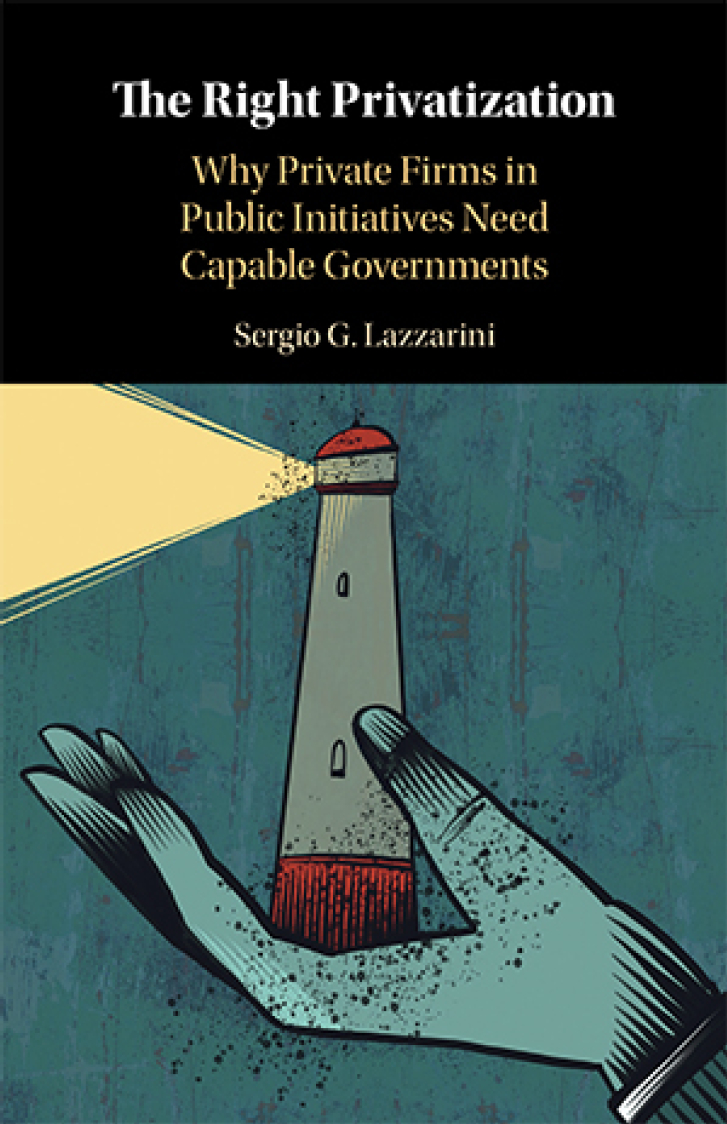
An excerpt from The Right Privatization on why private entrepreneurs need capable governments.


Social entrepreneurship is attracting growing amounts of talent, money, and attention, but along with its increasing popularity has come less certainty about what exactly a social entrepreneur is and does.

By working closely with the clients and consumers, design thinking allows high-impact solutions to social problems to bubble up from below rather than being imposed from the top.

Fair Trade-certified coffee is growing in sales, but strict certification requirements are resulting in uneven economic advantages for coffee growers and lower quality coffee for consumers.

Social entrepreneurship and social enterprise have become popular and positive rallying points for those trying to improve the world, but social innovation is a better vehicle for understanding and creating social change in all of its manifestations.

Understanding these six important differences will both facilitate better conversations and help channel funds appropriately.