



Restorative Justice: The World I Want
A group of inmates is benefitting from a practice that’s badly needed both within and beyond prison walls.
A group of inmates is benefitting from a practice that’s badly needed both within and beyond prison walls.

Has capitalism failed to provide adequate housing, and if so, where do we go from here?
Florence, a social enterprise, is helping cause major reforms in Japan's childcare system.

While communities can benefit from the entry of more welfare nonprofits, there is a point after which greater numbers are counterproductive.
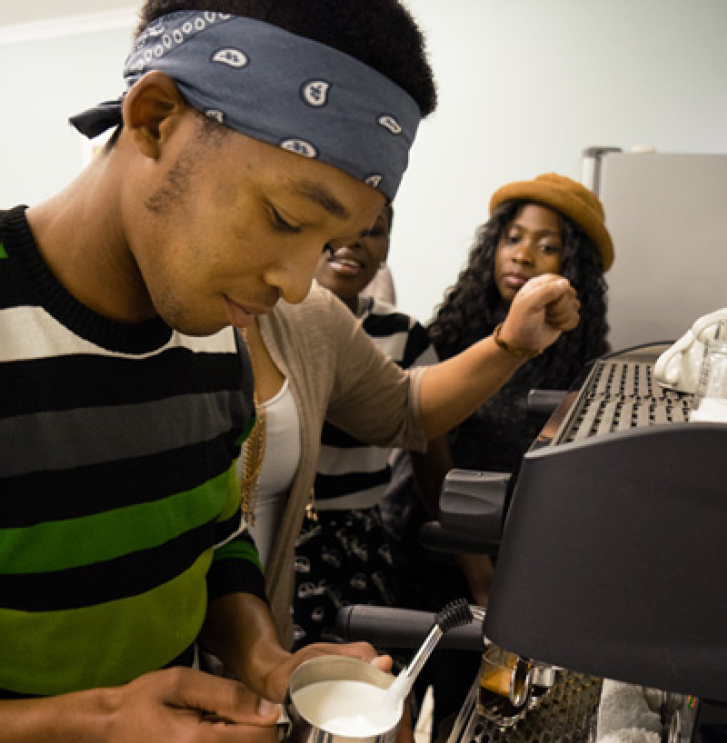
Instead of prescribing higher education as the silver-bullet solution to poverty, we must provide diverse and contextualized pathways to disadvantaged children, enabling them to redefine the dominant narrative of success.


Collective impact efforts must prioritize working together in more relational ways to find systemic solutions to social problems.

How to move from net zero to net impact.

A look at how Switzerland radically and successfully changed its approach to drug policy following a heroin epidemic in the late 1980s and 90s, and what the effort teaches us about the social innovation process.

How government and philanthropy can unlock the billions needed to shelter America’s unhoused

Chicago CRED proceeds from the belief that the individuals most at risk are not the problem—they are the solution.