

Putting More Fun into Play
In a new playground in Manhattan, "play associates" will encourage youthful creativity while reminding parents and nannies to take a giant step back.

In a new playground in Manhattan, "play associates" will encourage youthful creativity while reminding parents and nannies to take a giant step back.
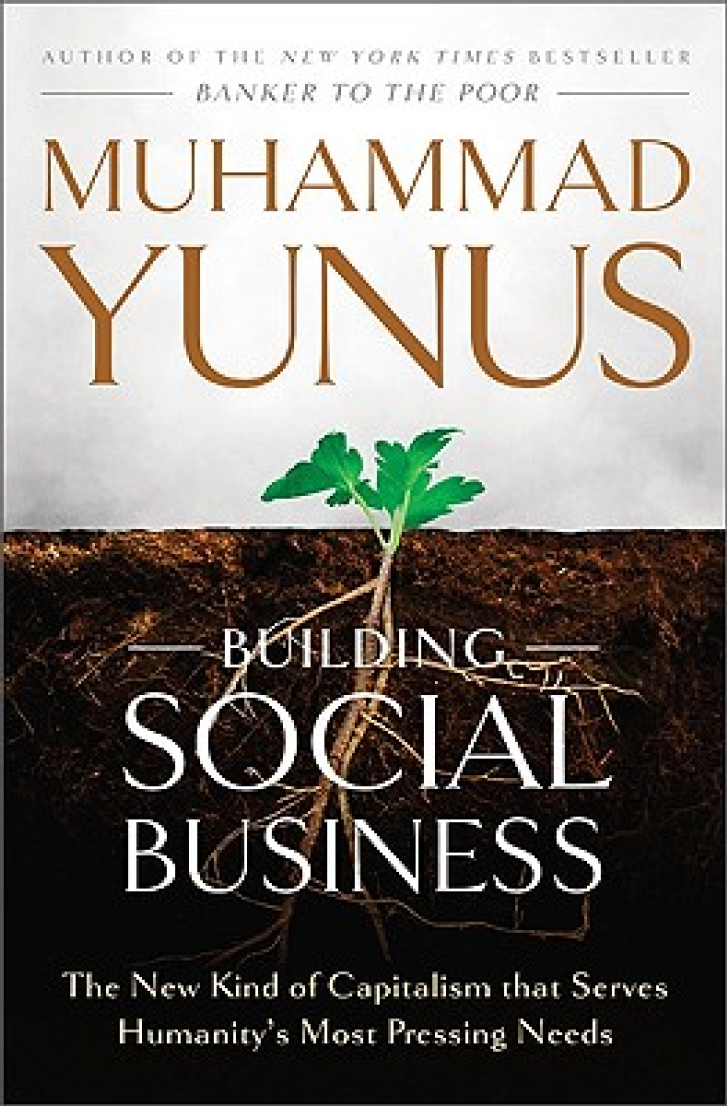
Building Social Business: The New Kind of Capitalism that Serves Humanity’s Most Pressing Needs by Muhammad Yunus
Philanthropedia cofounder Deyan Vitanov wants to make it easier for donors to see the impact of the organizations they fund.

How can you leverage the power of design thinking and psychological research with practical tools and strategies to get your social enterprise off the ground? In this university podcast, sponsored by the Stanford Center for Social Innovation, Stanford Graduate School of Business marketing professor Jennifer Aaker introduces the "dragonfly effect" model to illustrate how technology can be used to support business and social missions.
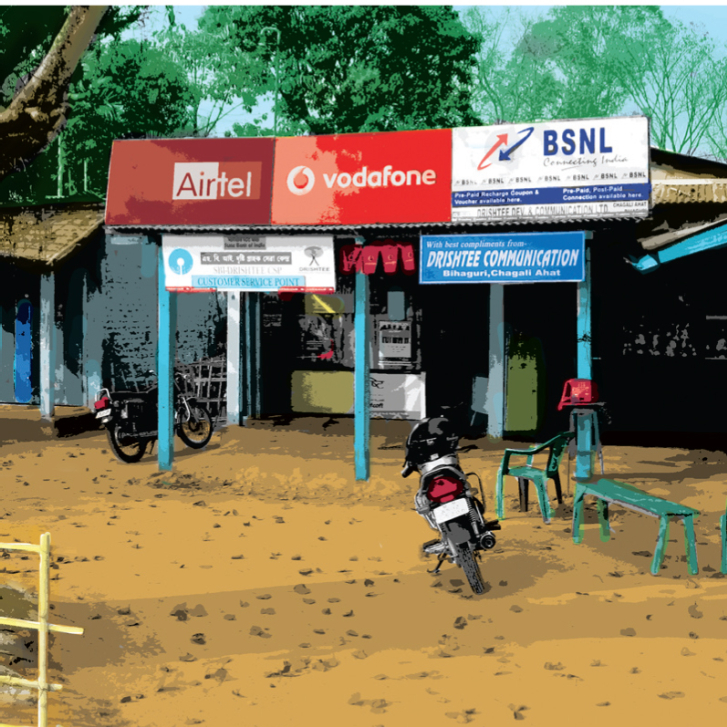
Microfranchising poses fewer risks and offers greater benefits than does creating a new business from scratch.


Funders are calling for more program evaluation, but nonprofits are often collecting dubious data, at great cost to themselves and ultimately to the people they serve.

Despite the hoopla over microfinance, it doesn't cure poverty. But stable jobs do. If societies are serious about helping the poorest of the poor, they should stop investing in microfinance and start supporting large, labor-intensive industries.

A veteran social entrepreneur provides a guide to those who are thinking through the thorny question of whether to create a nonprofit, a for-profit, or something in between.

Why Kiva chose to be a 501(c)(3), what this tax status buys the organization, and how being a nonprofit poses challenges.

Google DotOrg launched in 2004 with bold ambitions and almost $1 billion in seed funding. But the results have been less than stellar.