


The Profit in Nonprofit
Why Kiva chose to be a 501(c)(3), what this tax status buys the organization, and how being a nonprofit poses challenges.

Why Kiva chose to be a 501(c)(3), what this tax status buys the organization, and how being a nonprofit poses challenges.

The B Corp seal of approval distinguishes truly responsible businesses from mere poseurs.
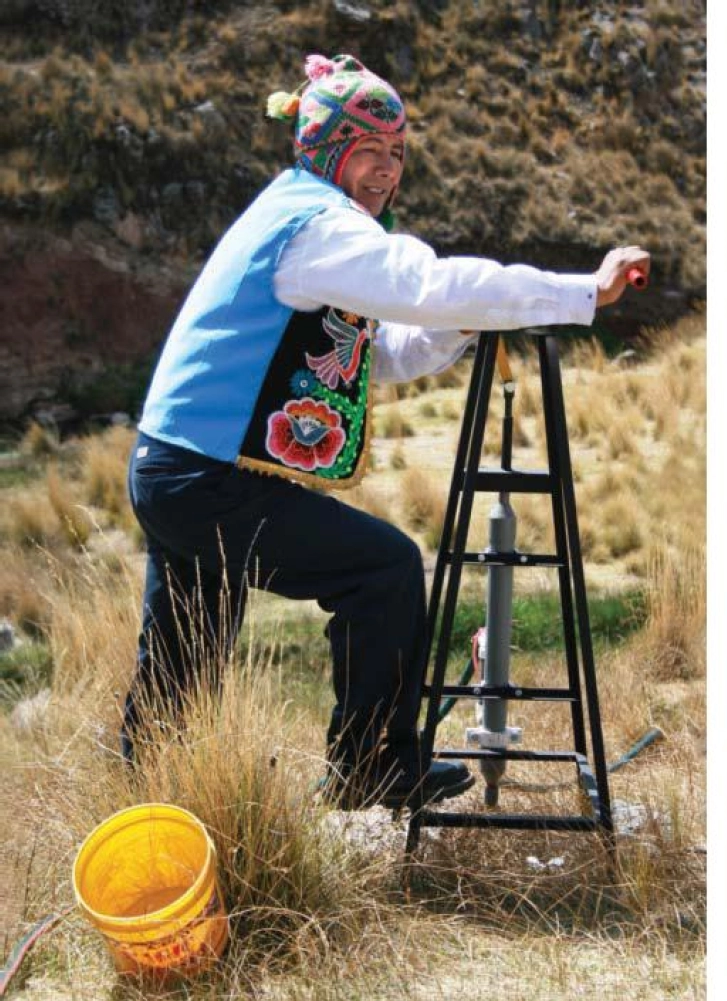
RAMP nurtures local inventors in India, Peru, and Indonesia.
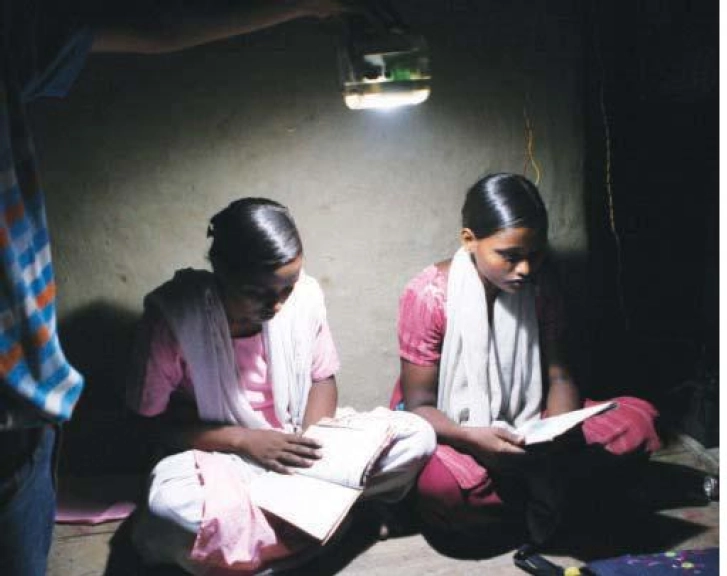
Investors screen for entrepreneurial passion when making funding decisions.

How does an organization not only promote green and sustainable products but also conduct business in a socially responsible way? At the Stanford 2008 Responsible Supply Chains Conference, leaders of three pioneering enterprises talk in a panel discussion about how they integrate fair trade, sustainable design, green purchasing, and public/private partnerships into every aspect of their business. They offer advice for other organizations and share how they are working to promote social responsibility in their respective industries.


Funders are calling for more program evaluation, but nonprofits are often collecting dubious data, at great cost to themselves and ultimately to the people they serve.

Despite the hoopla over microfinance, it doesn't cure poverty. But stable jobs do. If societies are serious about helping the poorest of the poor, they should stop investing in microfinance and start supporting large, labor-intensive industries.

A veteran social entrepreneur provides a guide to those who are thinking through the thorny question of whether to create a nonprofit, a for-profit, or something in between.
Why Kiva chose to be a 501(c)(3), what this tax status buys the organization, and how being a nonprofit poses challenges.
Google DotOrg launched in 2004 with bold ambitions and almost $1 billion in seed funding. But the results have been less than stellar.