

Fast Food and the Family Farm
It’s time to reform how we grow food and what we have for dinner, says Bruce Boyd, principal and managing director at Arabella Philanthropic Investment Advisors.
It’s time to reform how we grow food and what we have for dinner, says Bruce Boyd, principal and managing director at Arabella Philanthropic Investment Advisors.
Now that global warming is recognized as a real and serious problem, discussion is turning to practical challenges of reducing emissions in the long term. Host of the Center for Social Innovation, Rick Duke, discusses a new report by McKinsey & Company that considers how to address the problem affordably. In this audio lecture, Duke outlines some of the emerging technologies and public policy changes that will be needed to support such a process.
Let's keep holding the government accountable.

Stephen Friedman and Gene Sperling, former policy advisors to the Clinton and Bush administrations, discuss some of the challenges that the next president will face in the coming years. Central to this panel discussion is the role that globalization will play in formulating policies to ensure that the United States remains competitive with the world. Some of these changes will require deft political skill and the mobilization of popular support behind sensitive issues.

MomsRising is tapping a vast resource to improve the lives of American families.


Despite the hoopla over microfinance, it doesn't cure poverty. But stable jobs do. If societies are serious about helping the poorest of the poor, they should stop investing in microfinance and start supporting large, labor-intensive industries.

Social entrepreneurship and social enterprise have become popular and positive rallying points for those trying to improve the world, but social innovation is a better vehicle for understanding and creating social change in all of its manifestations.
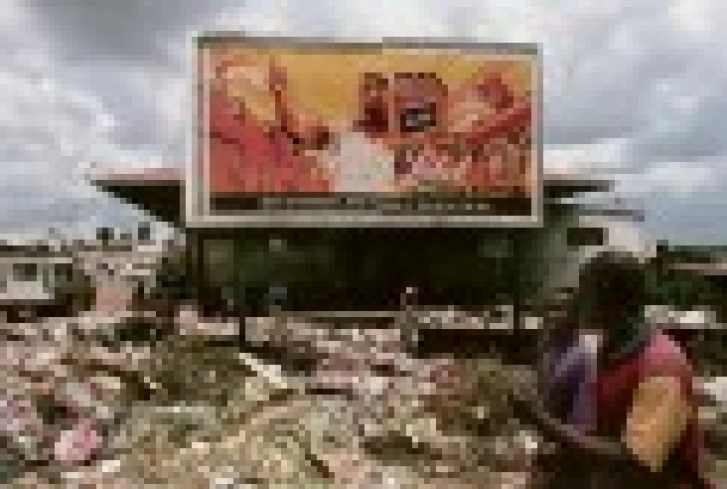
Market solutions to poverty, which include services and products targeting consumers at the “bottom of the pyramid,” portray poor people as creative entrepreneurs and discerning consumers. Yet this rosy view of poverty-stricken people is not only wrong, but also harmful.

A new approach to measuring poverty is needed, one that accounts for multiple factors such as housing, and regional economic differences.
Jeffrey Sachs believes we must lift a billion-plus people out of poverty while reducing our impact on the environment.