


Lucrative but Deadly
As parents spend more time raising their profitable coffee crop, they spend less time attending to their children's needs.
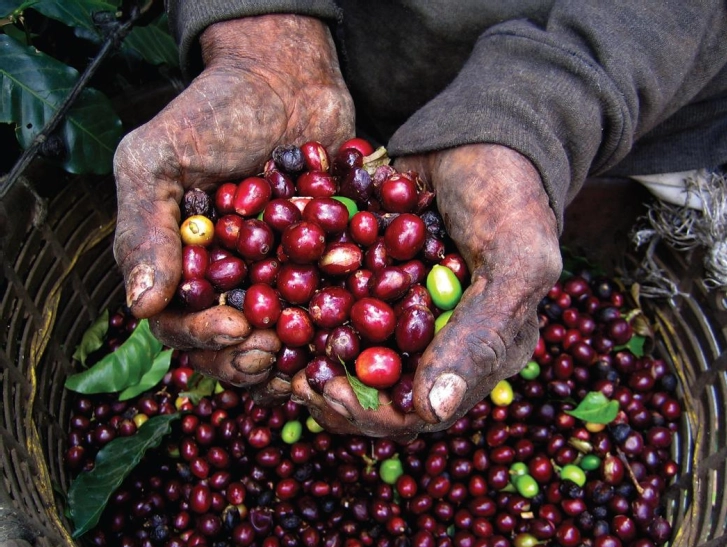
As parents spend more time raising their profitable coffee crop, they spend less time attending to their children's needs.
MOVING POLITICS: Emotions and ACT UP’s Fight Against AIDS by Deborah B. Gould
Global warming may end up helping some poor farmers who will be able to sell their crops for higher prices.

While Wall Street's role in the financial crisis is widely discussed, the government's role is often less well understood. In this audio interview, Stanford MBA student Joy Sun talks with John Taylor, a renowned macroeconomist and professor at Stanford University, about how government regulation and policy have shaped the recovery from the economic crisis and how they may prevent similar crises in the future.
The future of financial regulation has been a topic of intense debate in the aftermath of the financial crisis. In this audio interview, Stanford MBA student Lisa Scheible talks with Edward Lazear, an expert on labor economics from Stanford, about how government regulation and policy have influenced the economic recovery and how they can prevent similar crises in the future.


Despite the hoopla over microfinance, it doesn't cure poverty. But stable jobs do. If societies are serious about helping the poorest of the poor, they should stop investing in microfinance and start supporting large, labor-intensive industries.

Social entrepreneurship and social enterprise have become popular and positive rallying points for those trying to improve the world, but social innovation is a better vehicle for understanding and creating social change in all of its manifestations.
Market solutions to poverty, which include services and products targeting consumers at the “bottom of the pyramid,” portray poor people as creative entrepreneurs and discerning consumers. Yet this rosy view of poverty-stricken people is not only wrong, but also harmful.

A new approach to measuring poverty is needed, one that accounts for multiple factors such as housing, and regional economic differences.
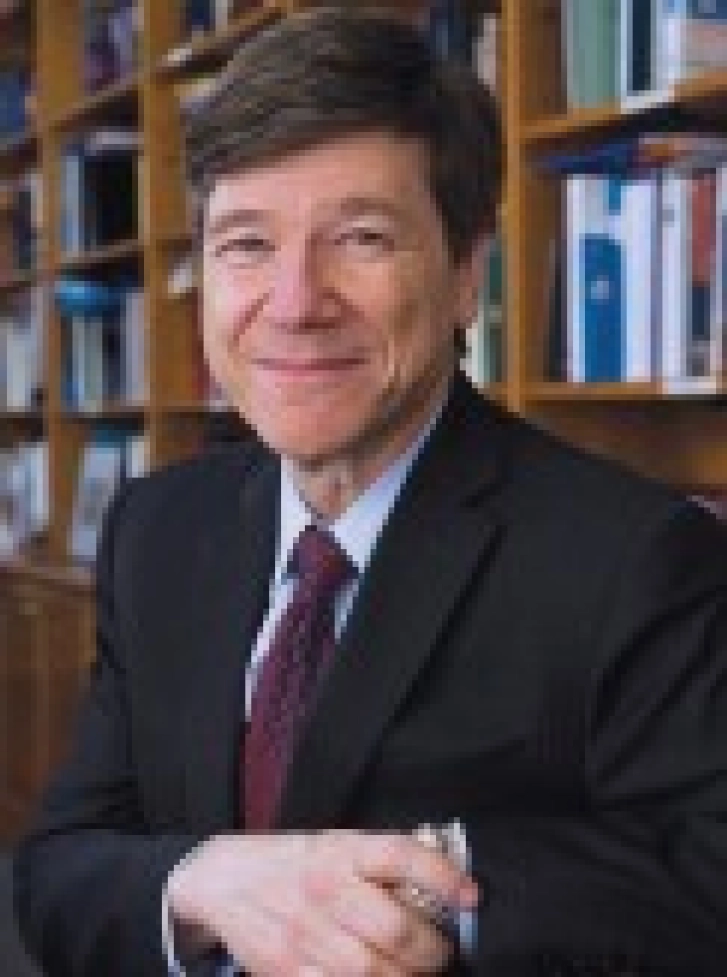
Jeffrey Sachs believes we must lift a billion-plus people out of poverty while reducing our impact on the environment.