Thirty Million Dollars, a Little Bit of Carbon, and a Lot of Hot Air
Carbon for Water is engaged in a loopy funding scheme and offers a lousy public health solution.
Carbon for Water is engaged in a loopy funding scheme and offers a lousy public health solution.

Executives from 10 major corporations discuss the innovative ways that they are putting societal issues at the core of their companies’ strategy and operations.
Growing numbers of young people are making an about face—turning their backs on working for “the man” and creating their own ventures.
Fidaa El Tunky has created the first grassroots venture capital project for rural women in the whole of the Arab region.

Pierre Carpentier, Jean-Michel Lecuyer, & Céline Claverie join for a panel discussion on social innovation and finance; not translated from French to English.

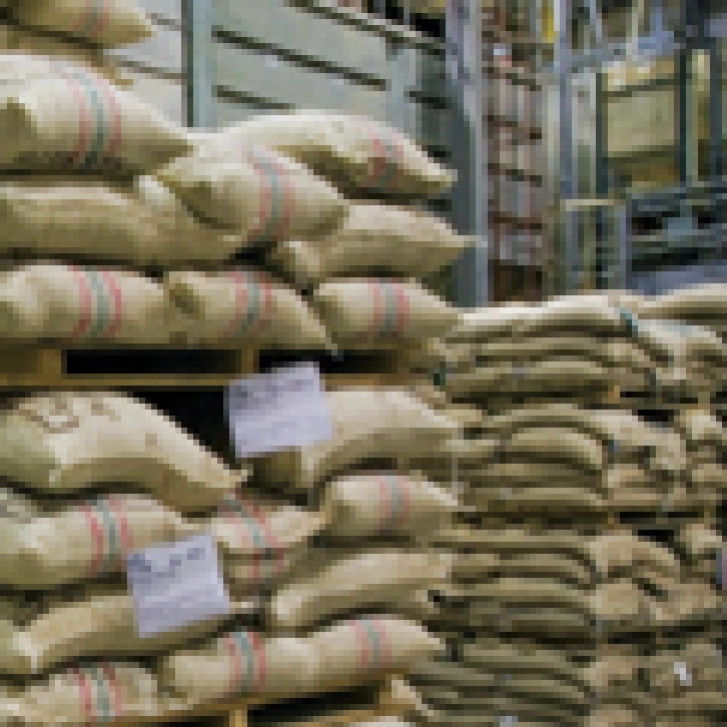
Fair Trade-certified coffee is growing in sales, but strict certification requirements are resulting in uneven economic advantages for coffee growers and lower quality coffee for consumers.

Contrary to myth, the sale of Ben & Jerry’s to corporate giant Unilever wasn’t legally required.

For much of its history, Wal-Mart’s corporate management team toiled inside its “Bentonville Bubble,” narrowly focused on operational efficiency, growth, and profits. But now the world's largest retailer has widened its sights, building networks of employees, nonprofits, government agencies, and suppliers to “green” its supply chains. Here's how and why the world’s largest retailer is using a network approach to decrease its environmental footprint – and to increase its profitability.
The problem with assuming that companies can do well while also doing good is that markets don't really work that way
Nonprofits and businesses are converging - in the value they create, the stakeholders they manage, the organizations they form, and the financial instruments they use.