



Three Social Entrepreneurs Sell Shares in Selves to Scale
Three young social entrepreneurs offer future income in exchange for support to scale.
Three young social entrepreneurs offer future income in exchange for support to scale.

During its first 10 years, Creative Capital has pumped $14 million into 324 projects from a range of artistic disciplines. But Creative Capital doesn’t just fund projects, it builds careers.

Not a week goes by without a product safety incident splashed across the headlines. As companies face increasing layers of suppliers, the task of monitoring the many links in the chain becomes a formidable challenge. The situation is particularly troubling for social entrepreneurs, who are especially vulnerable. In this panel discussion from the 2008 Responsible Supply Chains Conference, executives who have experienced product safety challenges share what they have done to address these challenges head on.

British American Tobacco Malaysia has won the favor of the Malaysian government and people by making donations to cultural institutions, funding scholarships, and developing youth smoking prevention programs. But can a tobacco company ever be socially responsible?
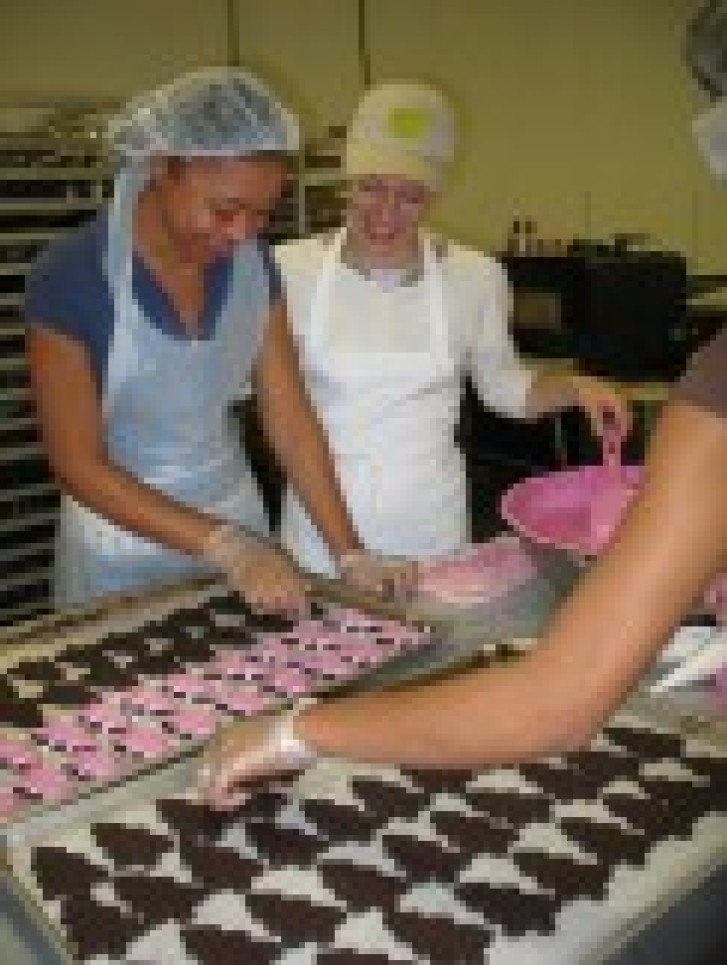
Dancing Deer Bakery helps most when it keeps its eye on the bottom line.


Fair Trade-certified coffee is growing in sales, but strict certification requirements are resulting in uneven economic advantages for coffee growers and lower quality coffee for consumers.

Contrary to myth, the sale of Ben & Jerry’s to corporate giant Unilever wasn’t legally required.

For much of its history, Wal-Mart’s corporate management team toiled inside its “Bentonville Bubble,” narrowly focused on operational efficiency, growth, and profits. But now the world's largest retailer has widened its sights, building networks of employees, nonprofits, government agencies, and suppliers to “green” its supply chains. Here's how and why the world’s largest retailer is using a network approach to decrease its environmental footprint – and to increase its profitability.
The problem with assuming that companies can do well while also doing good is that markets don't really work that way
Nonprofits and businesses are converging - in the value they create, the stakeholders they manage, the organizations they form, and the financial instruments they use.