The Paradox of Fair Trade
In 2011, a rift opened within the fair trade movement. What are the tensions that drove otherwise like-minded activists to form rival camps.
In 2011, a rift opened within the fair trade movement. What are the tensions that drove otherwise like-minded activists to form rival camps.
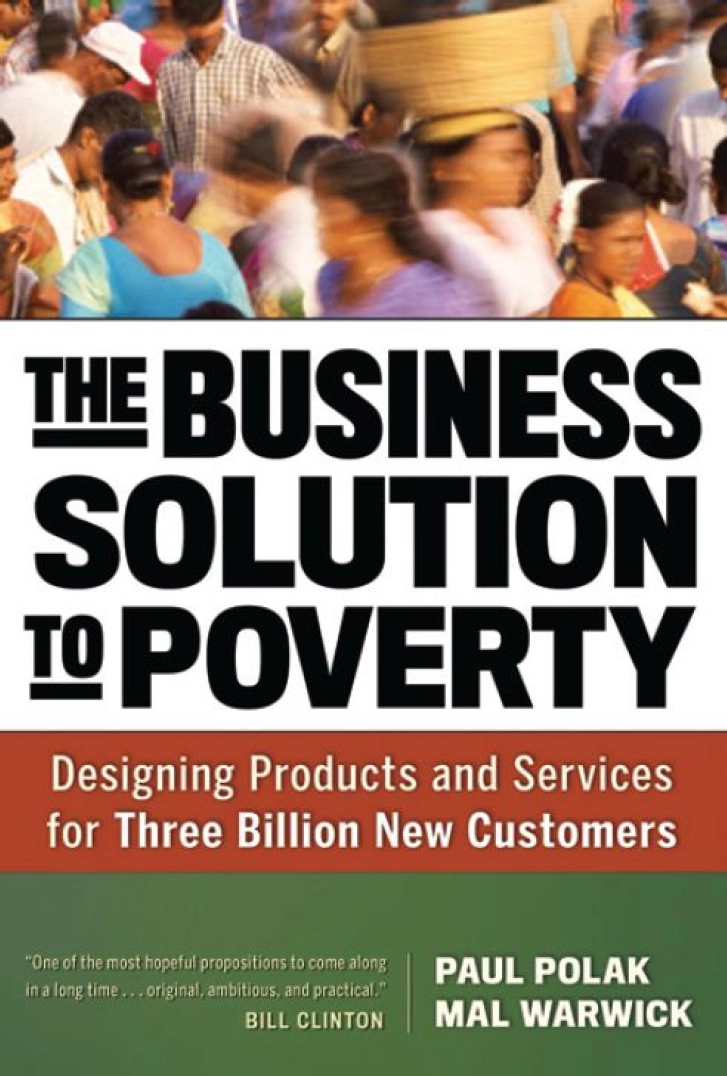
There's money to be made by selling "ruthlessly affordable" products to the world's 2.7 billion poorest people.

A conversation with philanthropist Connie Duckworth, founder of ARZU Studio Hope.

Katrina Benjamin describes the environmental sustainability problems associated with slavery, and suggests ways that organizations can work to eliminate slavery through cooperative social responsibility.
Who will lead the move towards a sustainable future—the United States, Europe, China?

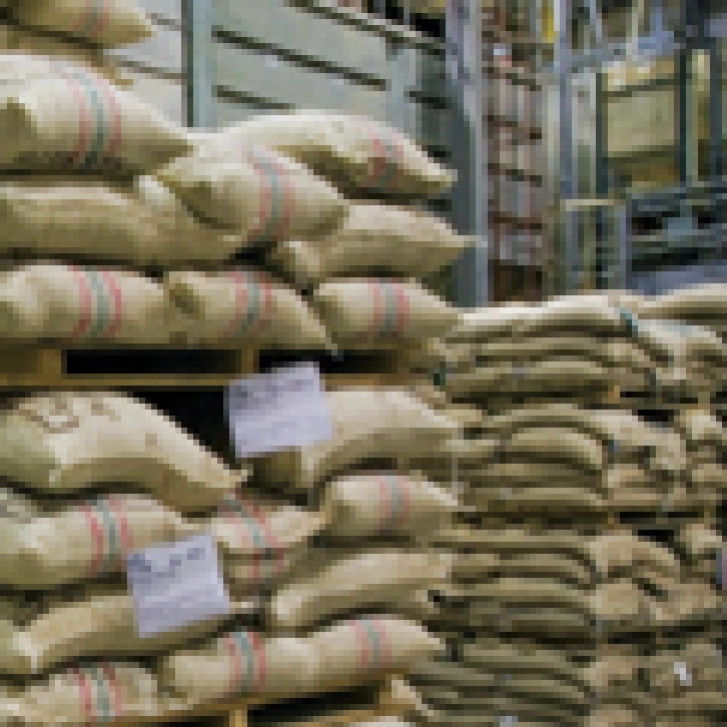
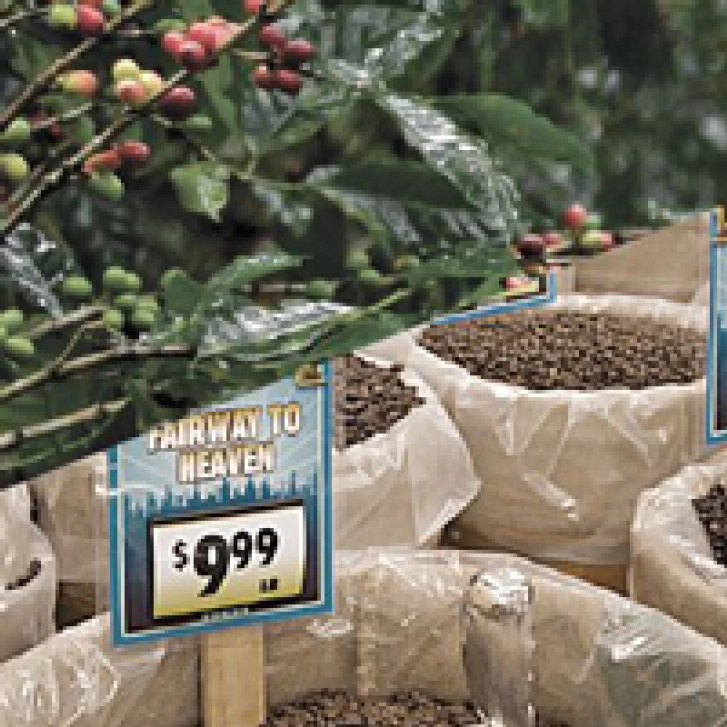
Fair Trade-certified coffee is growing in sales, but strict certification requirements are resulting in uneven economic advantages for coffee growers and lower quality coffee for consumers.

Contrary to myth, the sale of Ben & Jerry’s to corporate giant Unilever wasn’t legally required.

For much of its history, Wal-Mart’s corporate management team toiled inside its “Bentonville Bubble,” narrowly focused on operational efficiency, growth, and profits. But now the world's largest retailer has widened its sights, building networks of employees, nonprofits, government agencies, and suppliers to “green” its supply chains. Here's how and why the world’s largest retailer is using a network approach to decrease its environmental footprint – and to increase its profitability.
The problem with assuming that companies can do well while also doing good is that markets don't really work that way
Nonprofits and businesses are converging - in the value they create, the stakeholders they manage, the organizations they form, and the financial instruments they use.