
Wielding Philanthropic Power with Accountability
By speaking up about money and acknowledging the many choices they have, funders can more effectively channel their full spectrum of resources to achieve change.
By speaking up about money and acknowledging the many choices they have, funders can more effectively channel their full spectrum of resources to achieve change.

By focusing on four critical aspects of land rights, businesses can not only manage risks, but also do a great deal of global good while strengthening their bottom lines.
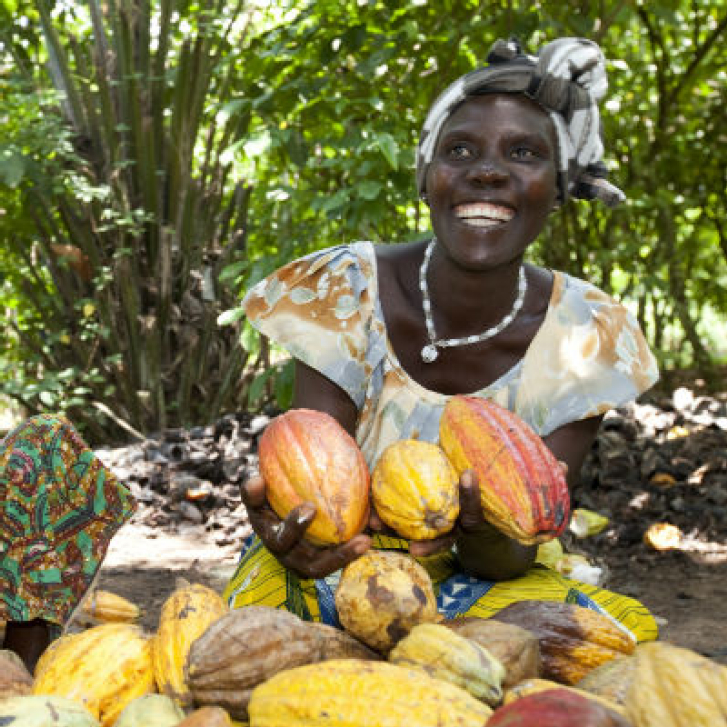
Corporate programs that focus on women’s economic empowerment need to incorporate women-centered, context-specific design and business-aligned measurement from the start.
Bringing non-family members, people with diverse perspectives, and professional advisors into decision-making can help family foundations take greater risks and bolder action toward their missions.
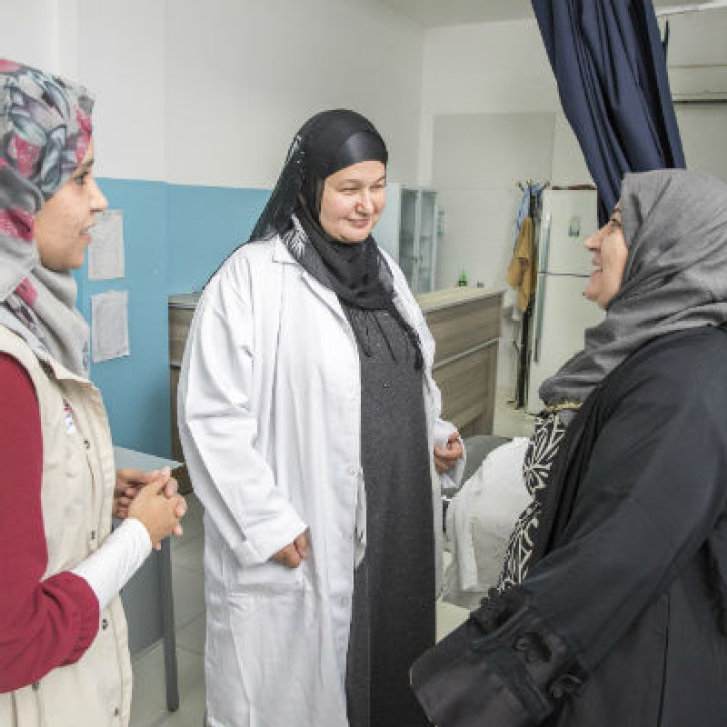
A new era of business collaboration is rising to address humanitarian crises, and the humanitarian sector can help bring these new models to scale.


Funders are calling for more program evaluation, but nonprofits are often collecting dubious data, at great cost to themselves and ultimately to the people they serve.

Large-scale social change requires broad cross-sector coordination, not the isolated intervention of individual organizations.

For NGOs, impact comes in different forms and to track the cycles of social change work, we must think across the tangibility and the speed of emergence of change.

With an understanding of these 10 funding models, nonprofit leaders can use the for-profit world's valuable practice of engaging in succinct and clear conversations about long-term financial strategy.

Social entrepreneurship is attracting growing amounts of talent, money, and attention, but along with its increasing popularity has come less certainty about what exactly a social entrepreneur is and does.