

Survival of the Deviant
The Power of Positive Deviance: How Unlikely Innovators Solve the World’s Toughest Problems by Richard Pascale, Jerry Sternin, & Monique Sternin

The Power of Positive Deviance: How Unlikely Innovators Solve the World’s Toughest Problems by Richard Pascale, Jerry Sternin, & Monique Sternin
The Innocence Network, an international collaboration of pro bono legal and investigative organizations, grows rapidly and flexibly.

People are more likely to use products that they pay for, but when it comes to malaria-preventing bed nets in Africa, the opposite holds true.

Family-owned firms pollute less than nonfamily firms; and that is due to the family values that these firms were founded upon.
What makes a civic association effective is not so much the resources and opportunities available to it, but good leaders.


Funders are calling for more program evaluation, but nonprofits are often collecting dubious data, at great cost to themselves and ultimately to the people they serve.

Large-scale social change requires broad cross-sector coordination, not the isolated intervention of individual organizations.
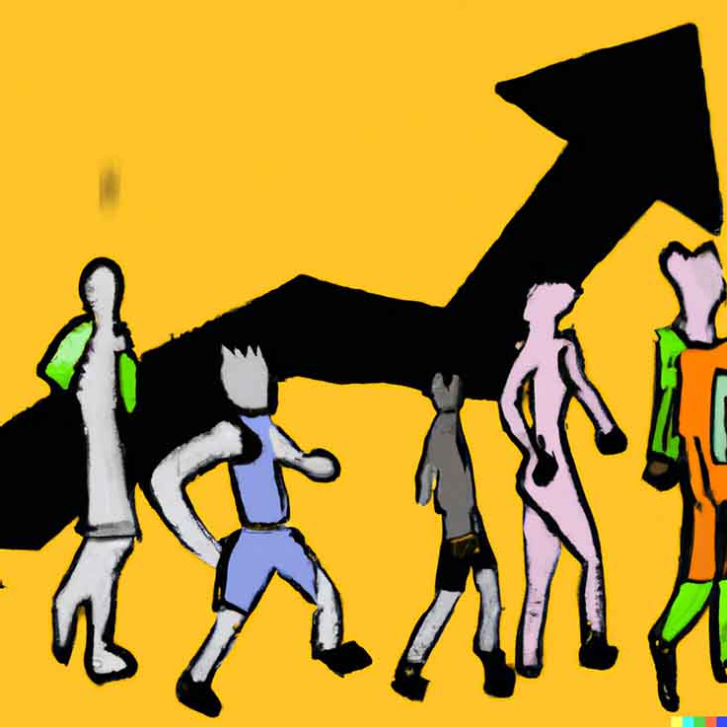
For NGOs, impact comes in different forms and to track the cycles of social change work, we must think across the tangibility and the speed of emergence of change.

With an understanding of these 10 funding models, nonprofit leaders can use the for-profit world's valuable practice of engaging in succinct and clear conversations about long-term financial strategy.

Social entrepreneurship is attracting growing amounts of talent, money, and attention, but along with its increasing popularity has come less certainty about what exactly a social entrepreneur is and does.