


Sustainable Pragmatism
An excerpt from Environmentally Sustainable Growth on the transition to an environmentally sustainable American economy
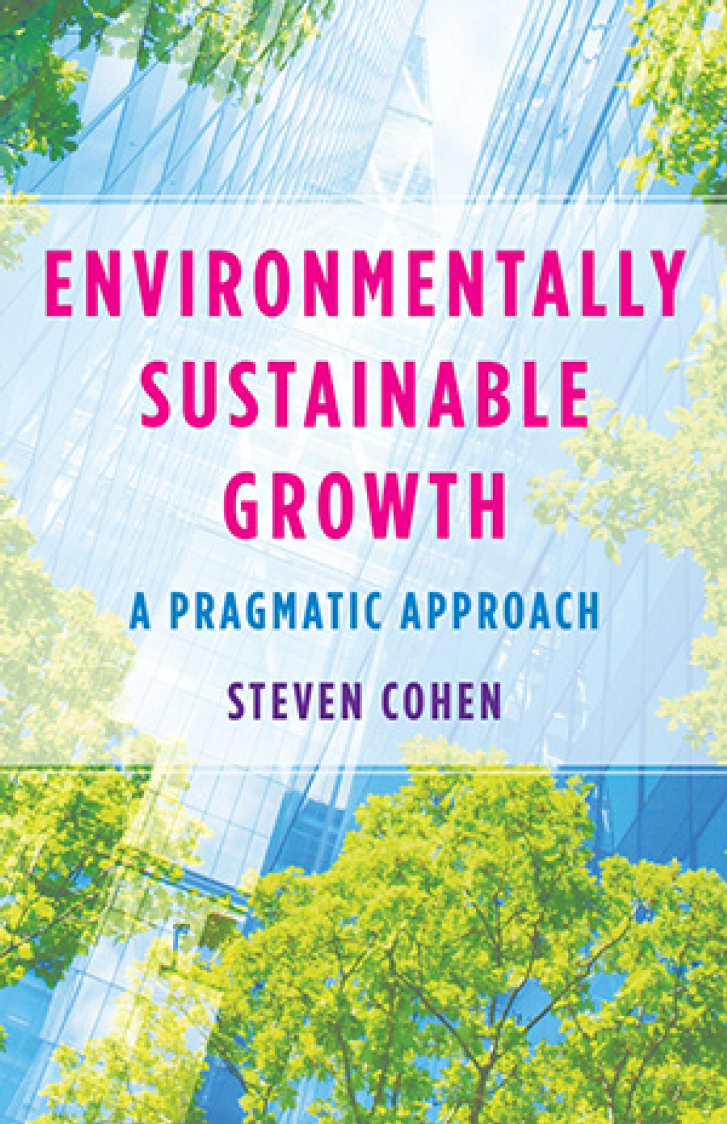
An excerpt from Environmentally Sustainable Growth on the transition to an environmentally sustainable American economy

If local governments are to effectively address our biggest global concerns, they’ll need to expand their skill sets.
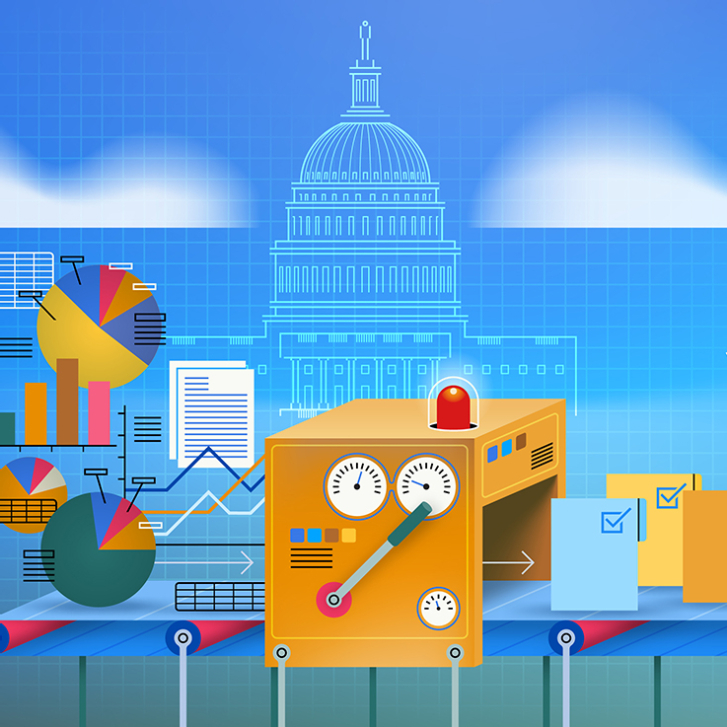
Five years after passage of the Evidence Act, has it worked? And what's next?
Instead of preparing for the distant future, philanthropy needs to work to prepare for the here and now.

Rwanda has made notable progress in reducing maternal mortality rates. What can the United States and other countries learn from the country’s approach to health care?

How badly do platform companies treat their workers? A recent study rated most major firms zero on a 10-point scale.

Philanthropy has a huge opportunity—and responsibility—to build a culture of repair both inside and outside their organizations.

How Kendeda is building organizational resilience by investing in operating reserves

Going beyond social change Mad Libs means going deep with systems, movements, and real human emotions.

The most powerful tool that workers and communities around the world have to fight exploitative new technologies.