


Boosting Farmer Incomes in Agricultural Supply Chains
Effectively tackling farmer poverty in global supply chains is not about repeating what others have tried in the past—it’s about doing business differently.
Innovative ways to enhance corporate social responsibility (more)
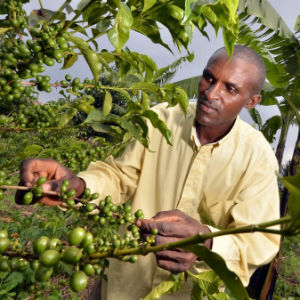
Effectively tackling farmer poverty in global supply chains is not about repeating what others have tried in the past—it’s about doing business differently.

Five steps companies can take to comprehensively tackle violence and harassment in the workplace.
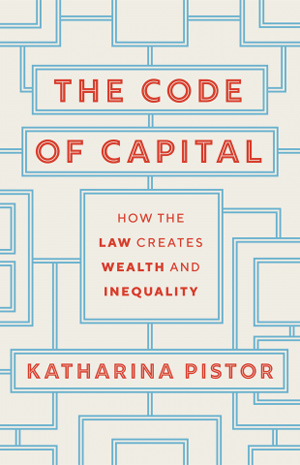
An excerpt from The Code of Capital explains how the law shapes financial structures and codes.
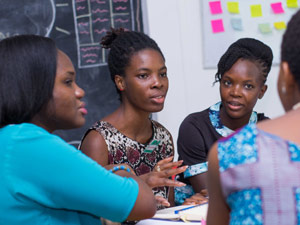
Three recommendations on how impact investors can foster more sustainable changes in Sub-Saharan Africa and its tech sectors by focusing less on "sexy" individual startups and more on universities, hubs, and research and development institutions.
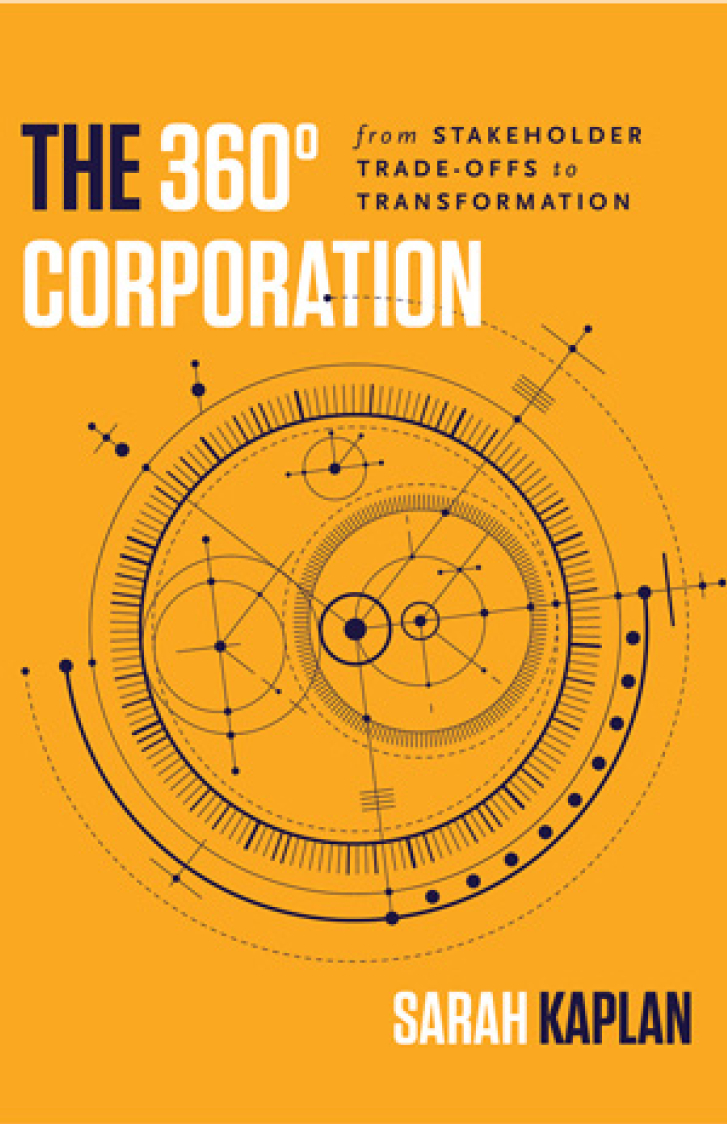
Management scholar Sarah Kaplan argues in The 360° Corporation: From Stakeholder Trade-offs to Transformation that the trade-offs businesses confront in dealing with multiple stakeholders present opportunities for growth and innovation. A book review from the Fall 2019 issue.

Companies, investors, and consumers need an expanded set of metrics that more broadly and accurately measure risk, return, and value. A Viewpoint from the Fall 2019 issue.
An excerpt from Cascades delves into the aftermath of the Orange Revolution to examine the implications of “surviving victory.”

In response to a July 16 article about improving organizations' DEI efforts by reimagining the roles of mentor and mentee, SSIR reader Yen Ooi wrote that “calling it 'reverse mentoring' might set out the wrong impression in the relationship to start with.” What do you think? This is the final of 10 articles in a special DEI series.

DEI efforts should develop and maximize the potential impact of this important but often overlooked position. This is the ninth of 10 articles in a special series about diversity, equity, and inclusion.
An excerpt from The Business of Changing the World: How Billionaires, Tech Disrupters, and Social Entrepreneurs are Transforming the Global Aid Industry argues the case for openness.