What Civil Society Needs
Without a healthy civil society it becomes difficult if not impossible to solve other, more readily apparent problems.
Innovative public sector policies and programs (more)
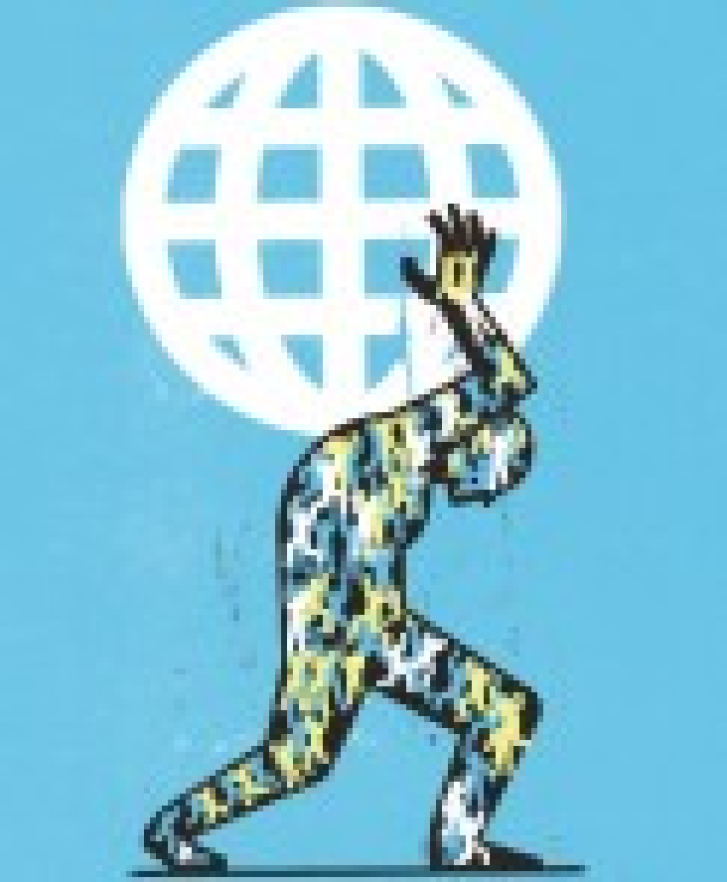
Without a healthy civil society it becomes difficult if not impossible to solve other, more readily apparent problems.
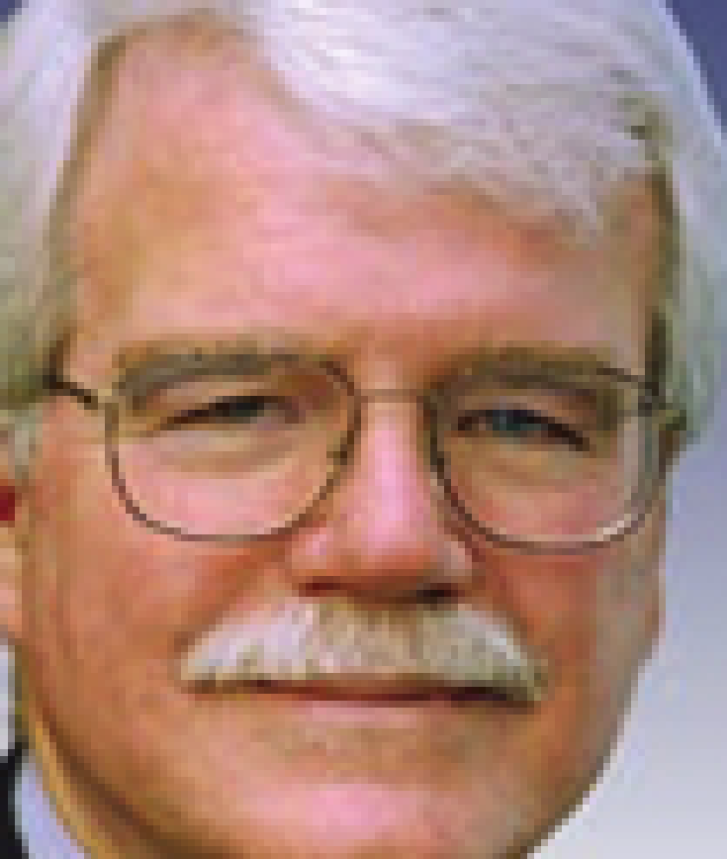
U.S. Secretary of Education Arne Duncan and Chairman of the House Committee on Education George Miller, address the NewSchools Summit 2010.
For a community to maintain a healthy recovery, FEMA administrator Craig Fugate asserts that private and public groups must work collaboratively to help stabilize an environment after disaster.
In its sixth year, GGI is no longer just a former President’s bid to stay relevant.
What would it take to implement “next-generation” poverty measures in the United States?
Two years after the spectacular failure in the financial markets, it’s getting even more difficult to look on the bright side.
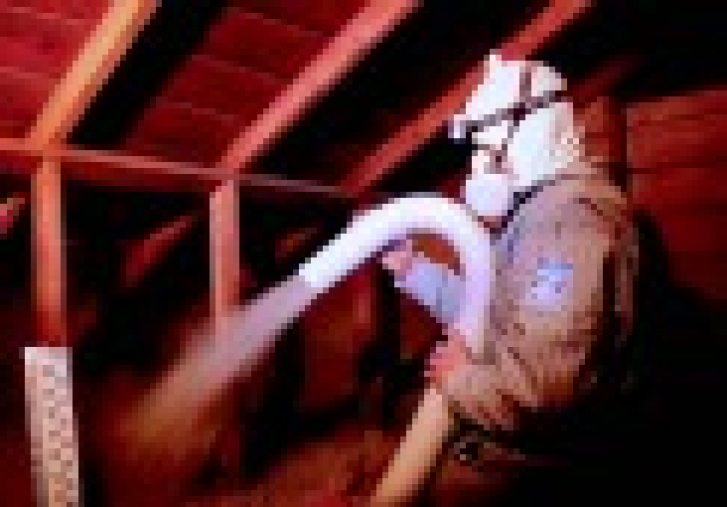
Clean Energy Works Portland gets consumers—and the workforce—energized about weatherization.

Education entrepreneurs share how innovative ideas, models, and policies may be focused and scaled so that more children can get the education they deserve.
Let’s put down our gloves, refocus our attention, and realize that we all have a chance to positively change the current relationship between government and the nonprofit sector.
From warring political parties comes broad-based policymaking.