

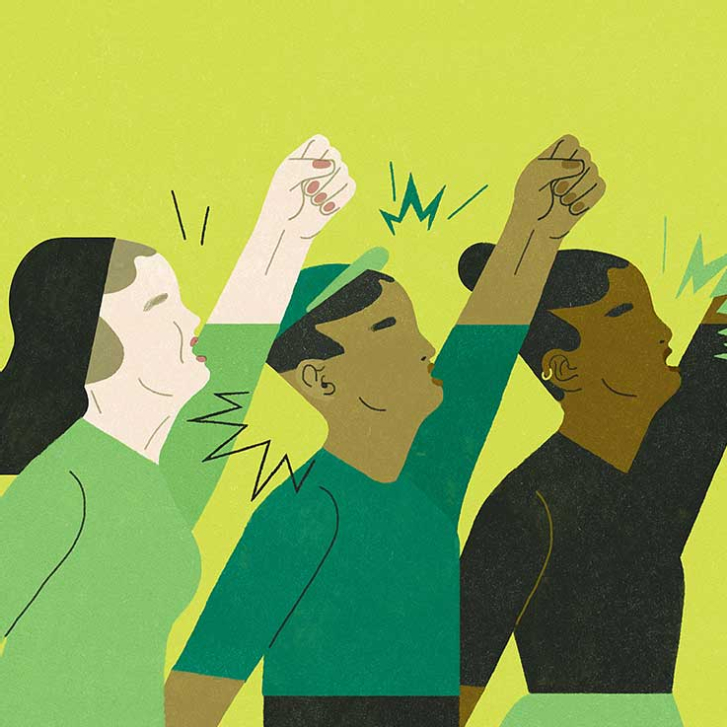
Nonprofits Must Listen With Their Ears, Not With Their Eyes
Social sector leaders who “speak for” marginalized groups engage in harmful behavior that excludes marginalized communities from making decisions that affect their lives.

Social sector leaders who “speak for” marginalized groups engage in harmful behavior that excludes marginalized communities from making decisions that affect their lives.
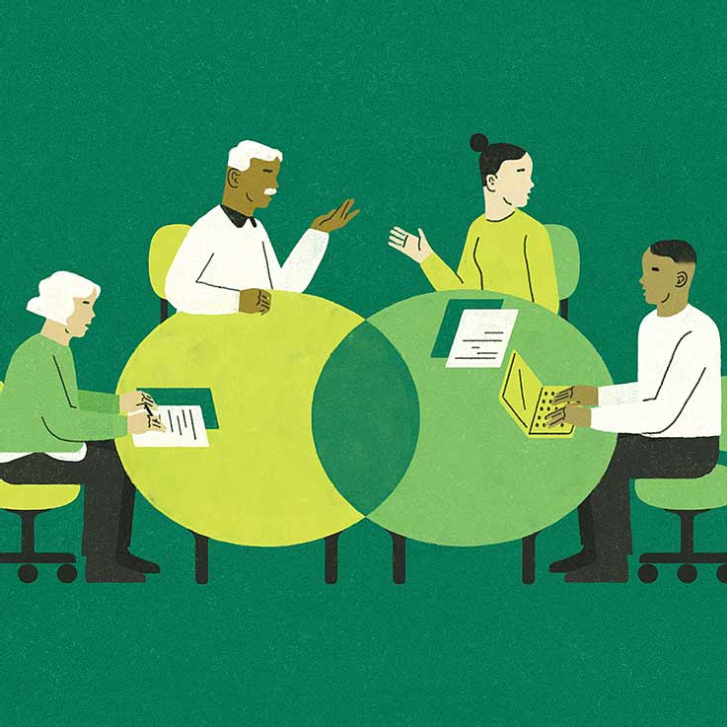
How an unlikely alliance between Catholic nuns and young social activists benefits both groups.

Social enterprises and nonprofit organizations need to change the way they measure the impact of their work and become learning organizations, able to influence public policy.
How second careers for older adults can help nonprofit workplaces age-integrate and benefit from multigenerational mentoring.
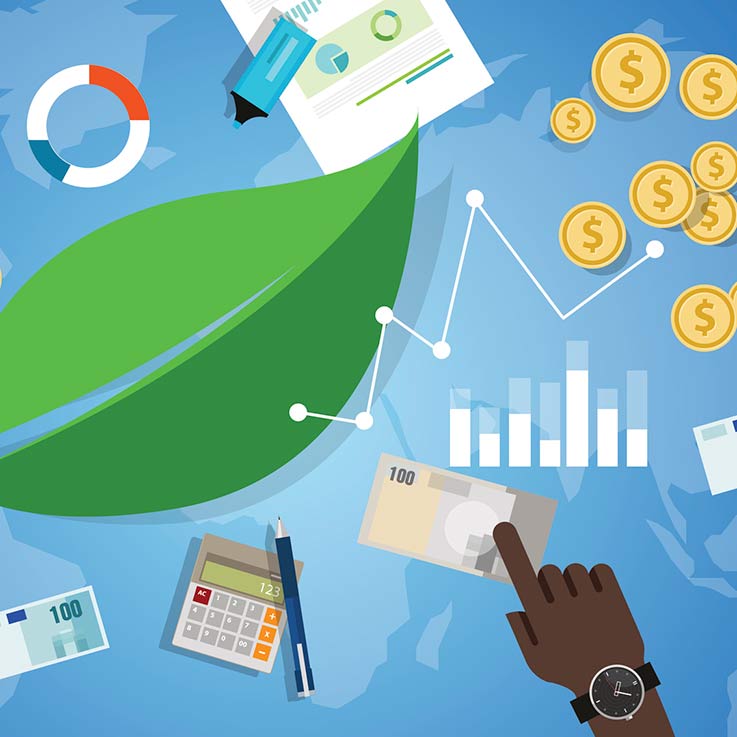
European governments purchase more than €2 trillion of goods and services annually, and more of that spending is being done in a socially responsible manner.
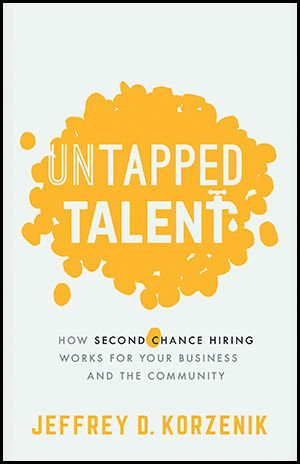
An excerpt from Untapped Talent explains how second chance hiring works for both businesses and communities.

Why the social economy needs to step up and shape technological development to address social needs, and five strategies to get there.

The business world’s “Engine 1/Engine 2” concept can help ambitious nonprofits balance today’s needs with tomorrow’s potential.
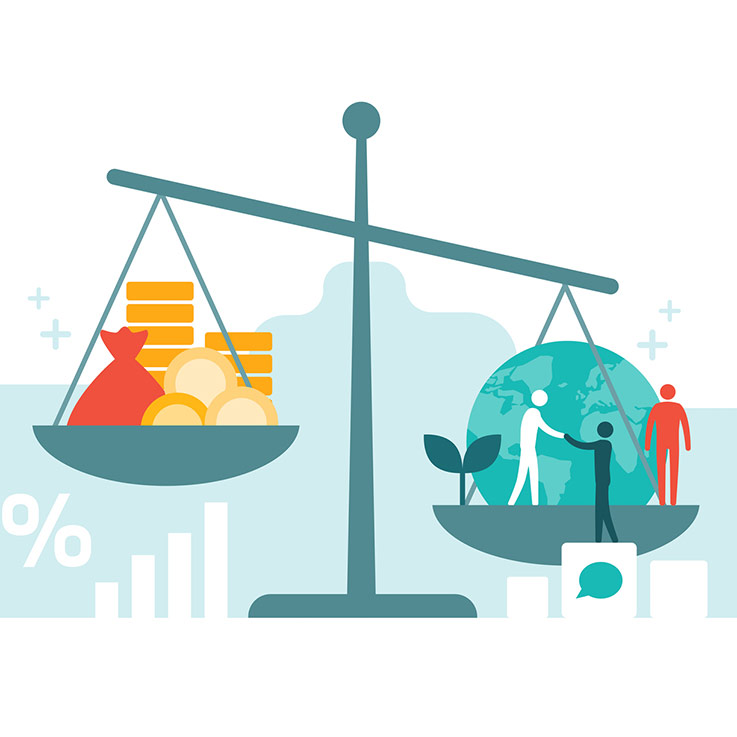
The social economy is increasingly seen as a motor for social change, but how can this shift in perspectives be framed to better understand and harness its potential?
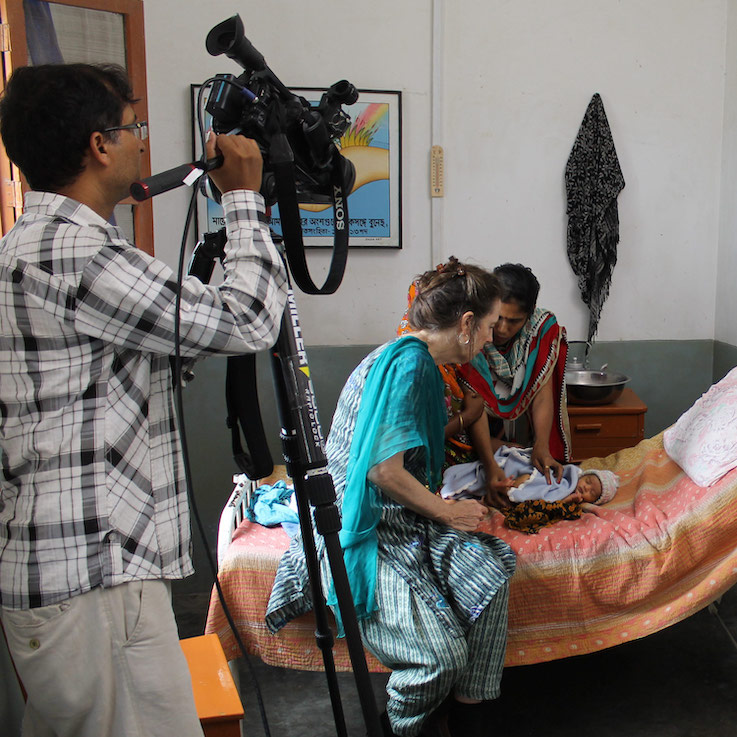
Developing countries face a quality crisis in the delivery of frontline health care. The nonprofit Global Health Media marries modern video technology with compassionate instruction to fill the gap. This is the first episode of a two-part series about raising the quality of health care in the developing world. Listen to the second episode here: The Healing Force of Family.