

Why Educational Disparities Persist
An excerpt from Opportunity for All crafts three lessons from the historic inequities of the public school system.
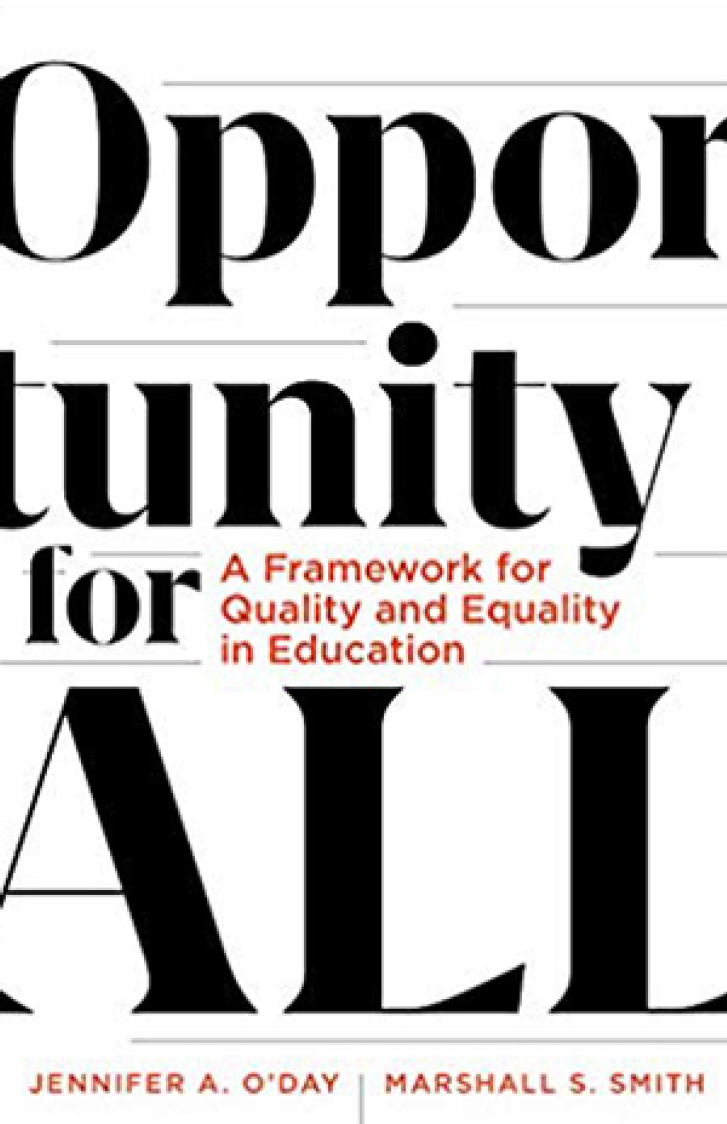
An excerpt from Opportunity for All crafts three lessons from the historic inequities of the public school system.
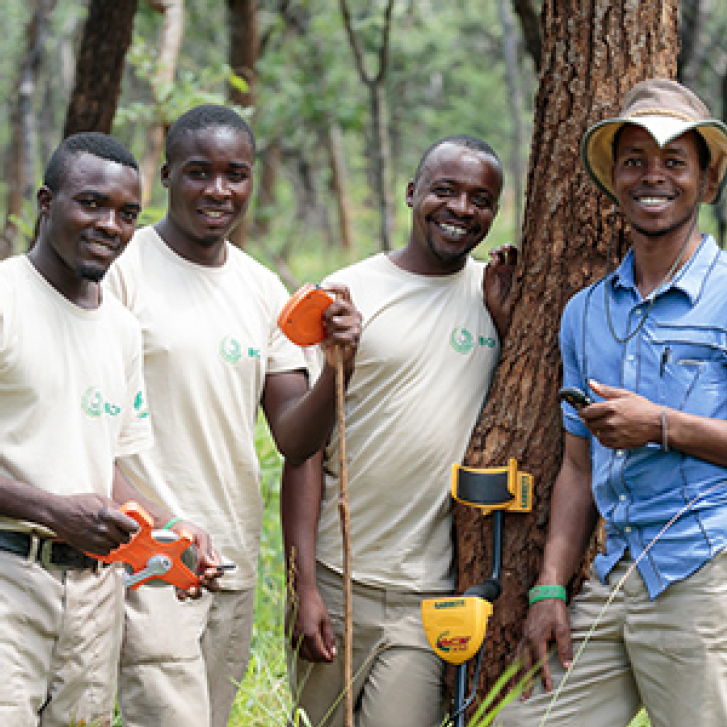
In landscapes where people and natural systems co-exist and intermingle, conservationists must go beyond protection and work to develop community-level incentives for wildlife conservation through sustainable and locally managed use.

A well-told story can inspire people to engage with social and environmental issues, but how do nonprofits channel that energy into behaviors that make a difference? Behavioral science can help point the way.

Highlights from the magazine and website.
The United States can restore the trust that allows civil society to flourish by emphasizing the values that have long bound us together and by adopting the newer values of shared power and racial equity.
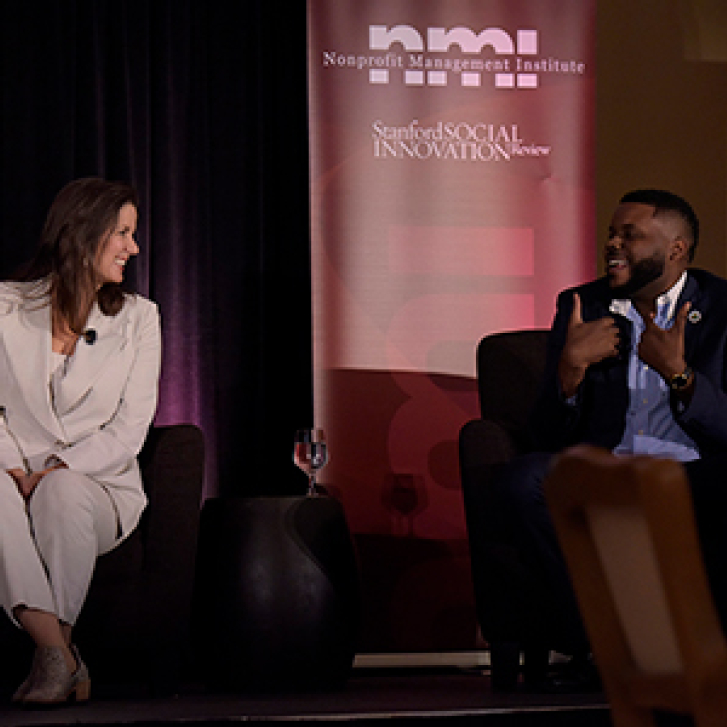
A discussion between two California mayors on how the public sector and nonprofit leaders can work together in a time of anxiety and disruption.
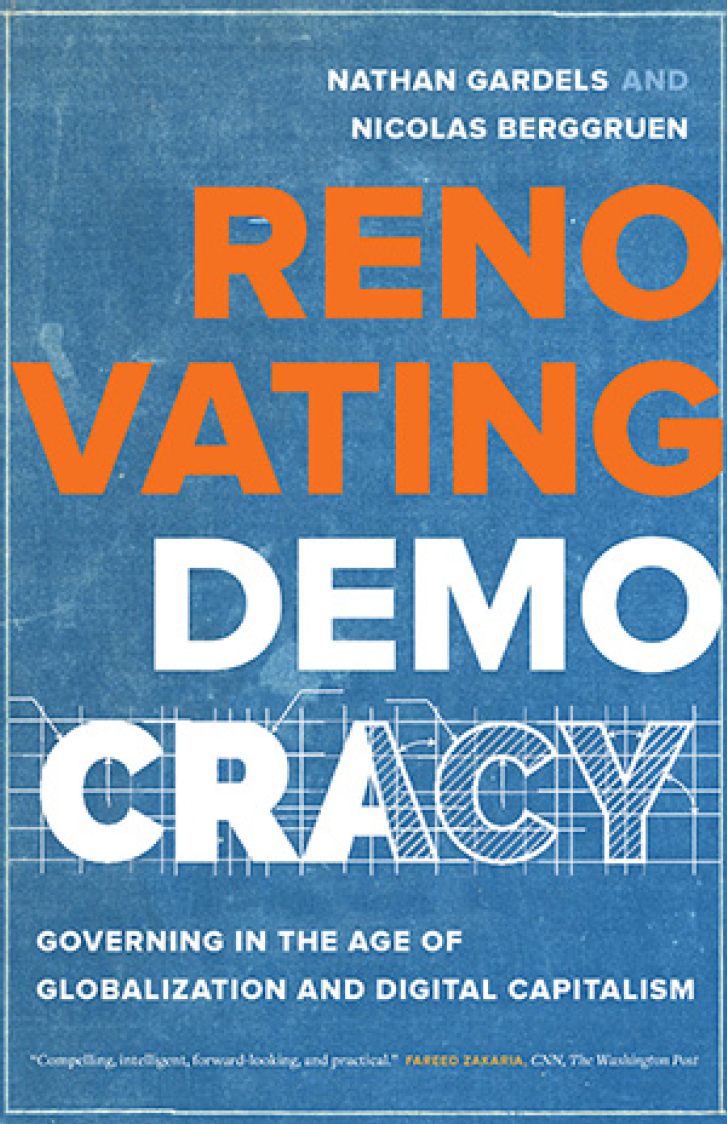
Renovating Democracy explores how the digital revolution has irrevocably altered how we engage with participatory democracy and with how democracy works for us.

A public health innovation shows that innovators can accelerate the diffusion of products with social impact by pairing design thinking and behavioral science.

The inclusion of disabled people in your organization is not about “helping” them come on board while leaving the organization unchanged.

A commitment is only a start. After that, it takes strategy, performance management, data, planning, investment, and a relentless desire to improve.