


The Way You Sell May Be Killing Your Dream
An excerpt from Sell Well, Do Good on breaking open the black box of selling: how to design a selling system that aligns with the values and best practices of social enterprise
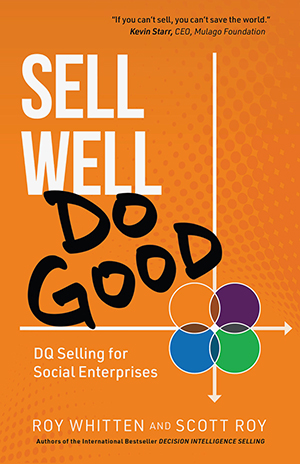
An excerpt from Sell Well, Do Good on breaking open the black box of selling: how to design a selling system that aligns with the values and best practices of social enterprise
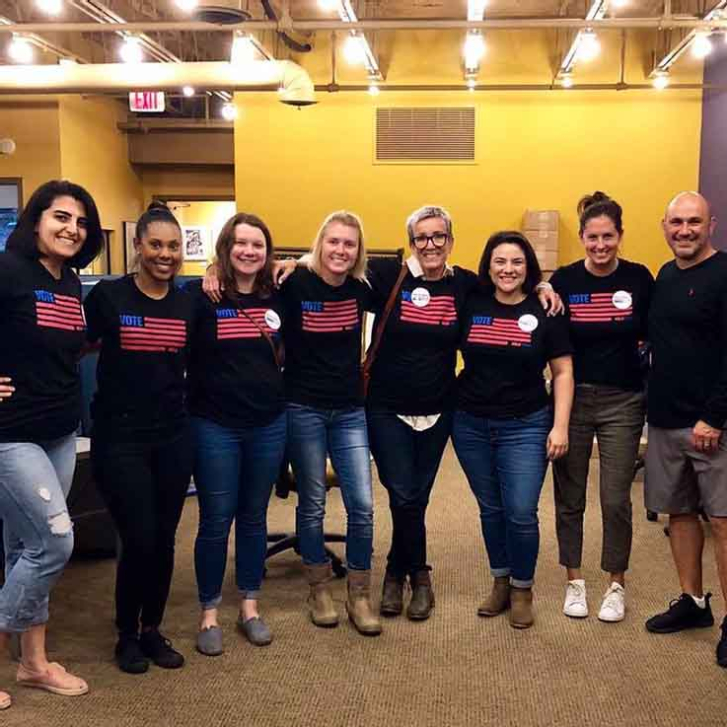
In the midst of an ongoing assault on civil rights, the ACLU’s Strategic Affiliate Initiative is helping a century-old organization grow to meet the moment.
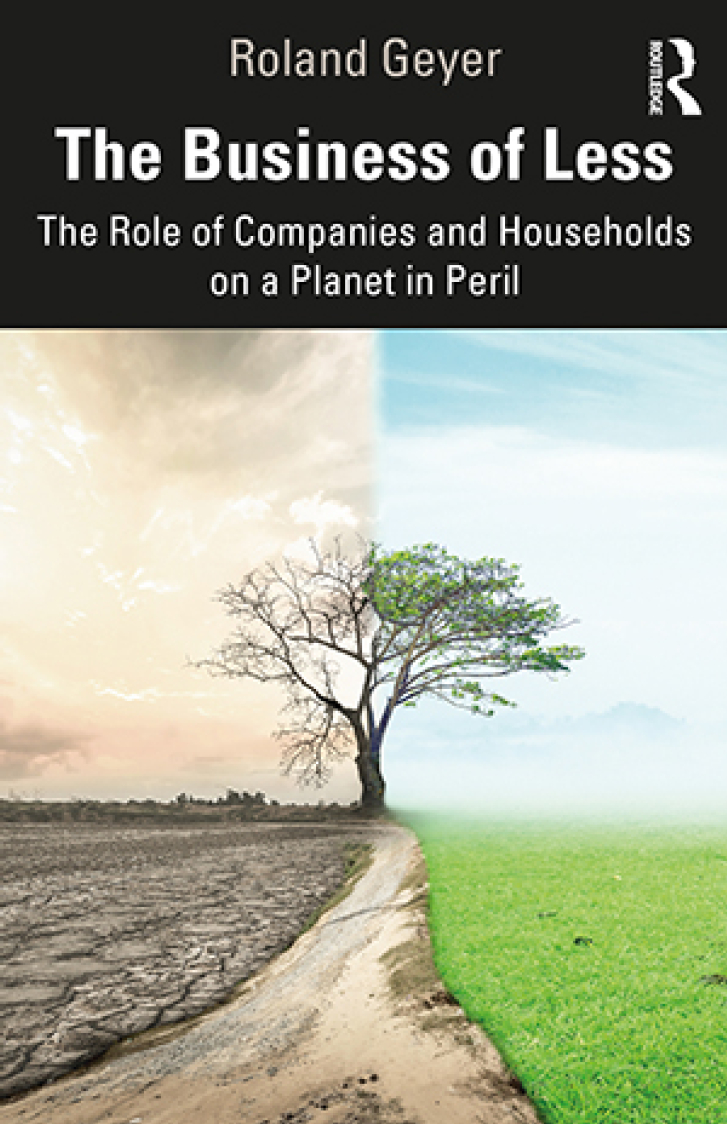
An excerpt from The Business of Less: The Role of Companies and Households on a Planet in Peril on how to fix corporate sustainability.
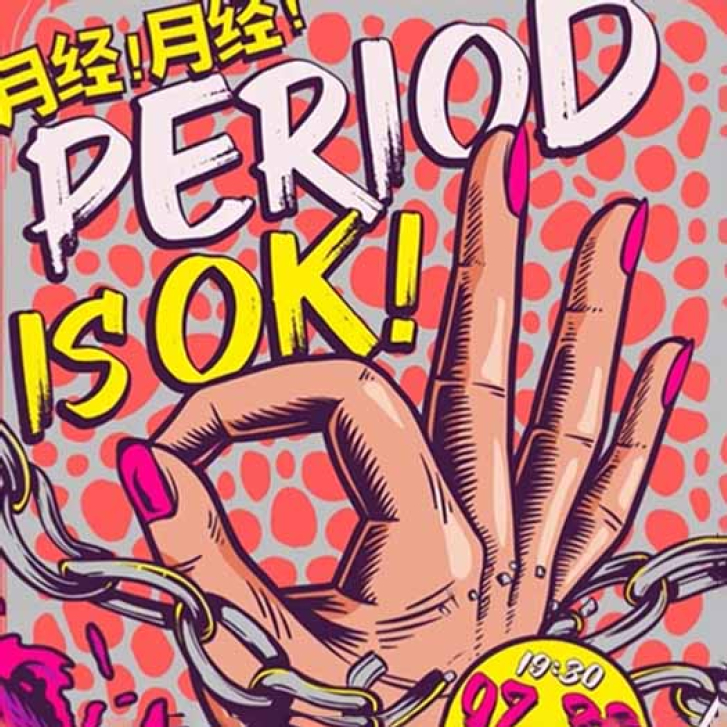
Innovative approaches to addressing social stigma related to menstruation, led by women in Japan and China, are making the issue visible and highlighting the role it plays in gender inequality.
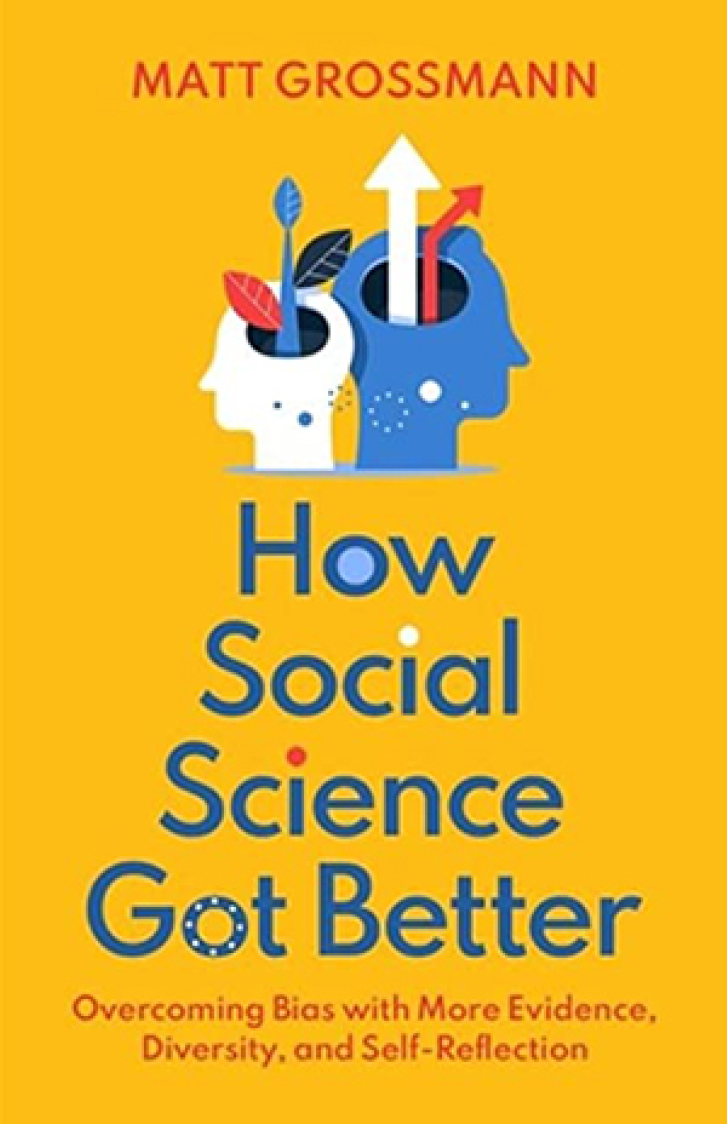
An excerpt from How Social Science Got Better on how the social sciences are becoming more relevant, diverse, and reflective.
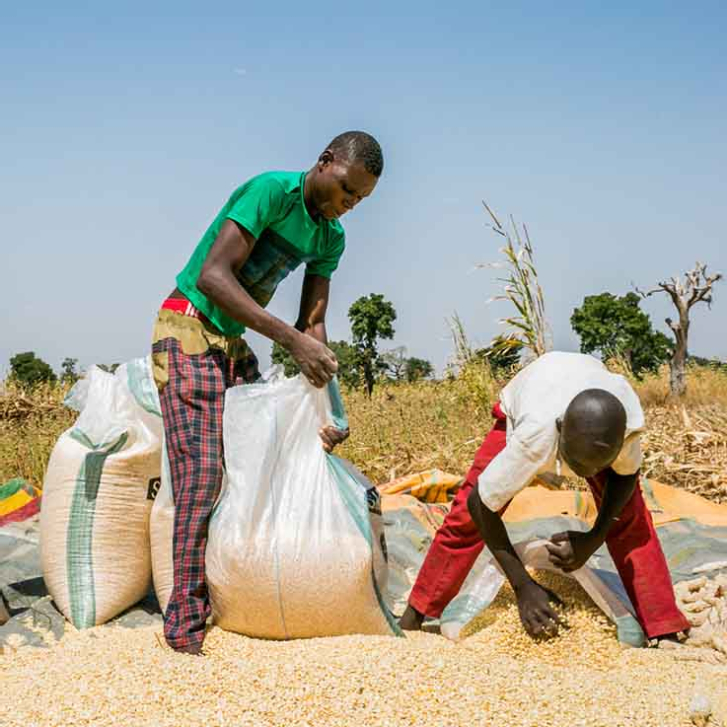
Babban Gona provides the capital and means to move Nigeria’s poor farmers from a life of subsistence to economic security—and a model for alleviating poverty across Africa.
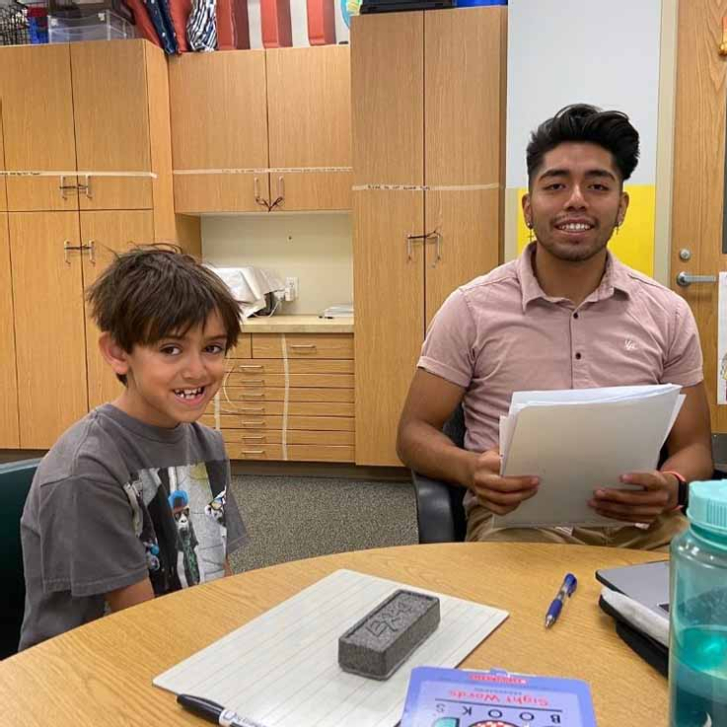
The pandemic’s disruptions have only exacerbated many social, economic, and cultural fault lines, and so, learning recovery programs must focus on quality and equity at both the individual and systems level.

Telling diverse and inclusive stories for social change that center marginalized communities and build understanding requires that we show the complex ways communities experience systems of inequality.
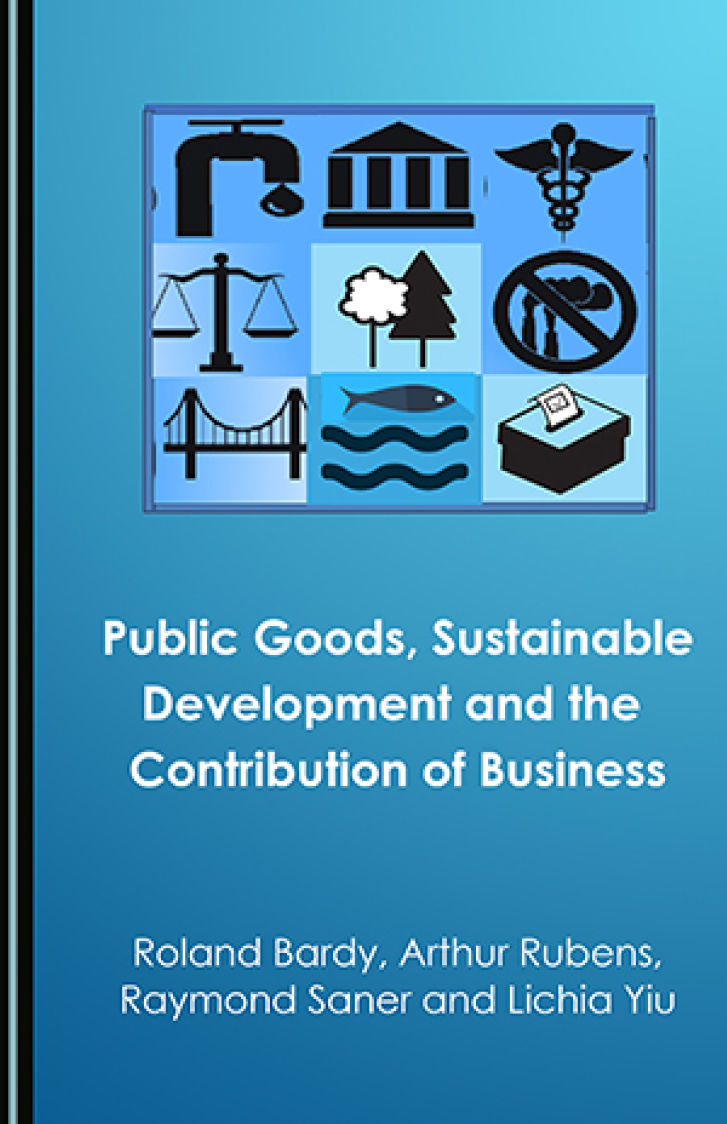
An excerpt from Public Goods, Sustainable Development and the Contribution of Business reconsiders the public goods concept and puts forth models for business and the public sectors to respond to the global challenges that our post-COVID-19 world is facing.
New proposals for monetizing corporate planetary impacts are alluring, impossible, and perilous.