


Randomistas vs. Contestistas
An excerpt from Solving Public Problems on RCTs and their limitations
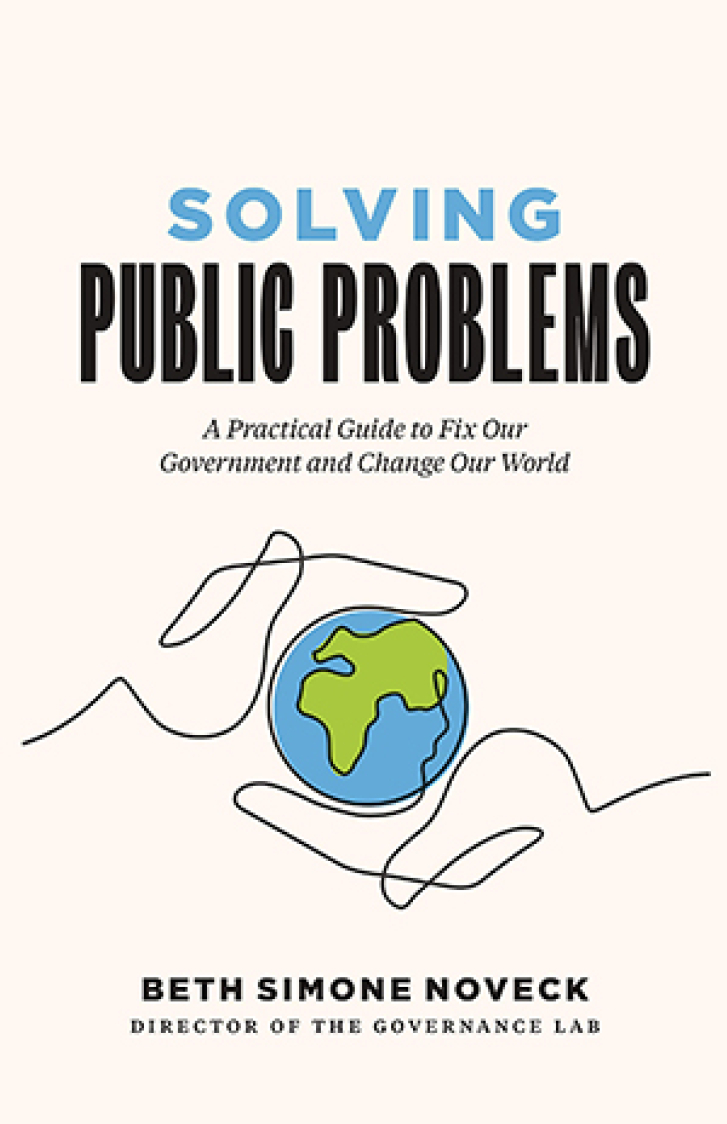
An excerpt from Solving Public Problems on RCTs and their limitations

For ESG compliance to become more than lip service, corporate leaders say they need activist pressure, government regulation, and a strong business case.
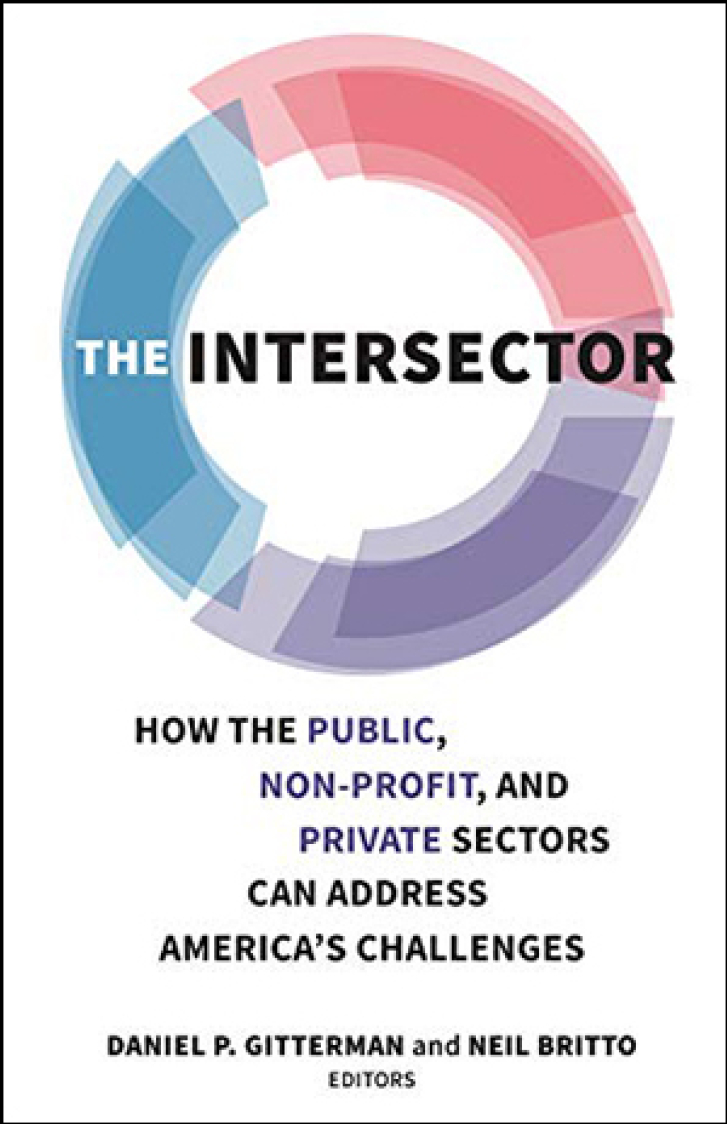
Two excerpts from the edited collection, The Intersector, on building public trust through cross-sector collaboration between the public, nonprofit, and private sectors.
Donors have a wide range of options for making charitable gifts. Which one is the best approach for meeting your philanthropic goals? SSIR publisher Michael Voss speaks with Vonny Carrington, partner with Cerity Partners, and Julia Reed of Schwab Charitable to explore the various approaches available to donors. A sponsored podcast developed with the support of DAFgiving360.
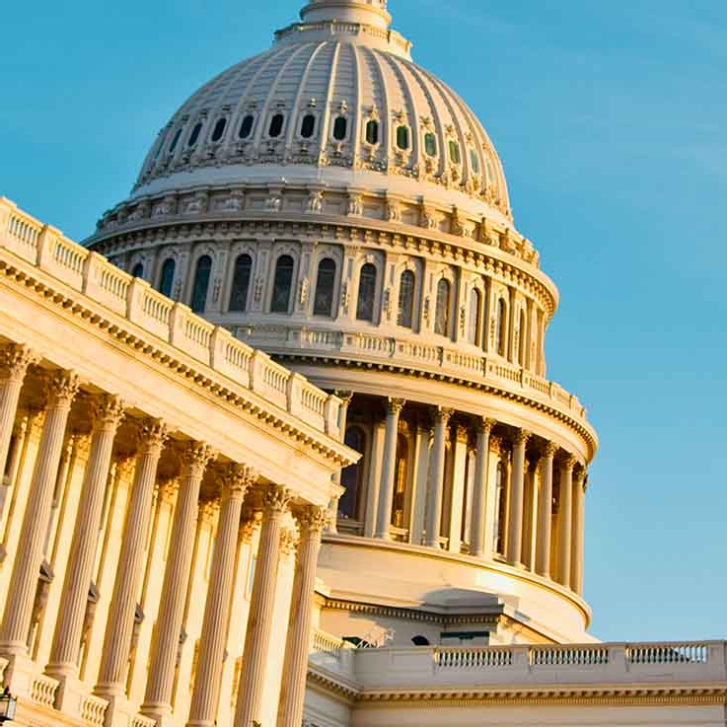
The passage of the Infrastructure Investment and Jobs Act gives those of us in the nonpartisan public policy space reason to be optimistic.

Behavioral economics research shows how small nudges can make a big difference to end-of-year fundraising results.

Achieving diversity, equity, and inclusion means putting disability justice in every policy discussion and making it part of the continuing struggle for civil rights.

We face a choice between two models for donating data: one governed by corporations and one determined by grassroots civic action. The winner will decide how much control we have over our digital information.

If philanthropy is to build a more just and equal society, it must combat ableism in its own institutions and practices.

Developing active listening techniques is essential to creating understanding and the authentic relationships necessary for social change.