


Two Experiments With Outcomes Frameworks
The new public management model of governance has failed. But an emerging collaborative and democratic approach shows promise.

The new public management model of governance has failed. But an emerging collaborative and democratic approach shows promise.

Research does no good if its insights are irrelevant or not applied. Ensuring that evidence influences policy requires developing the right ecosystem and levers for accountability.
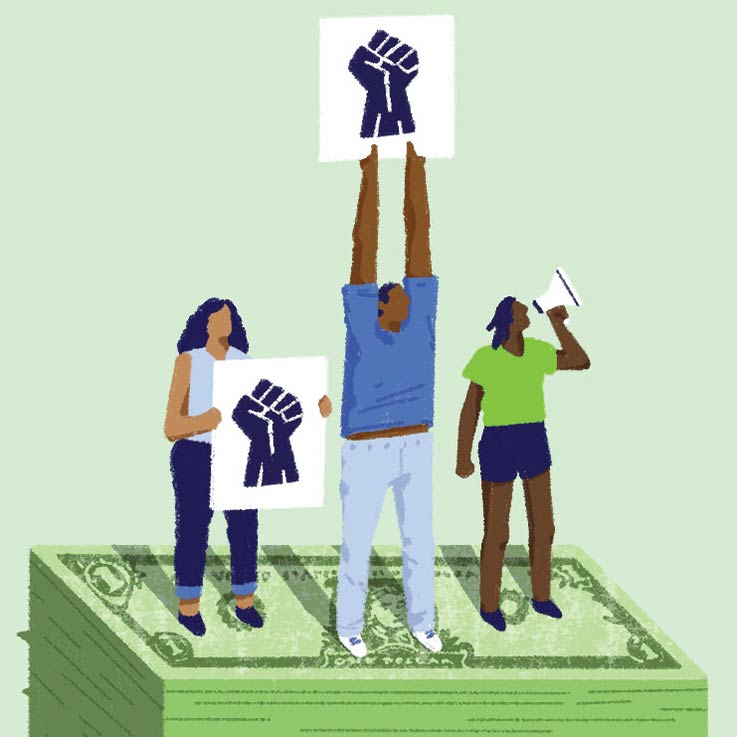
We created the Democracy Frontlines Fund to enable experienced anti-racist organizers to do their crucial work. They taught us how to do philanthropy better.

Activists use moral analogies with rogue industries and states to stigmatize fossil fuels.
The hacktivist collective built a framework to encourage and guide participation without direct oversight.
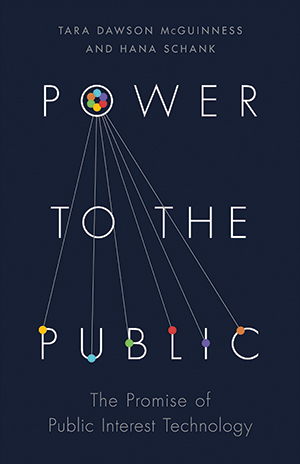
In Power to the Public, Tara Dawson McGuinness and Hana Schank make the case for renovating government and policymaking with 21st-century digital technology.

Partnerships between nonprofit service providers and government agencies to address homelessness are more effective when the former play a leading role.
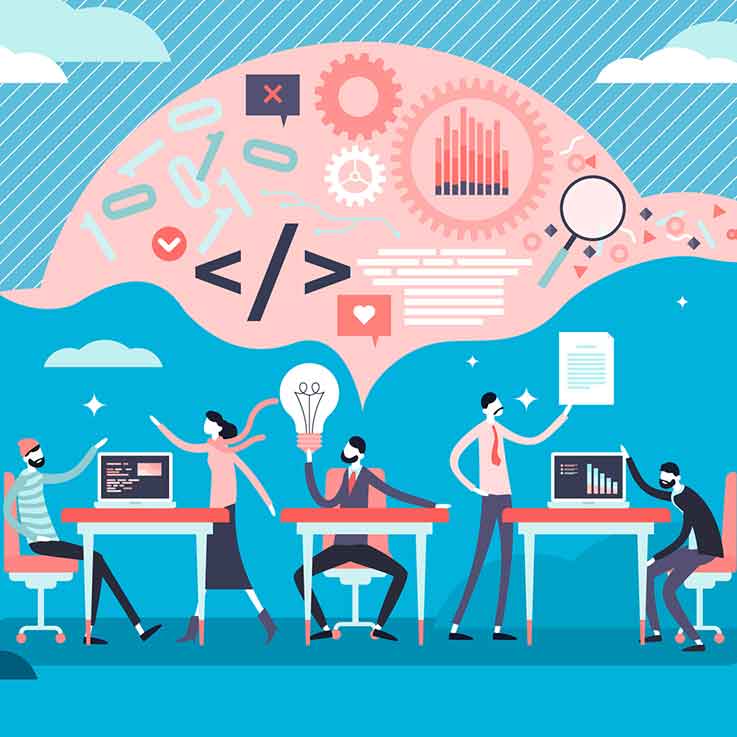
Nonprofits, governments, and businesses around the world have changed how they operate to overcome the impact of COVID-19. The social sector should continue to build on that creativity in the wake of the pandemic.
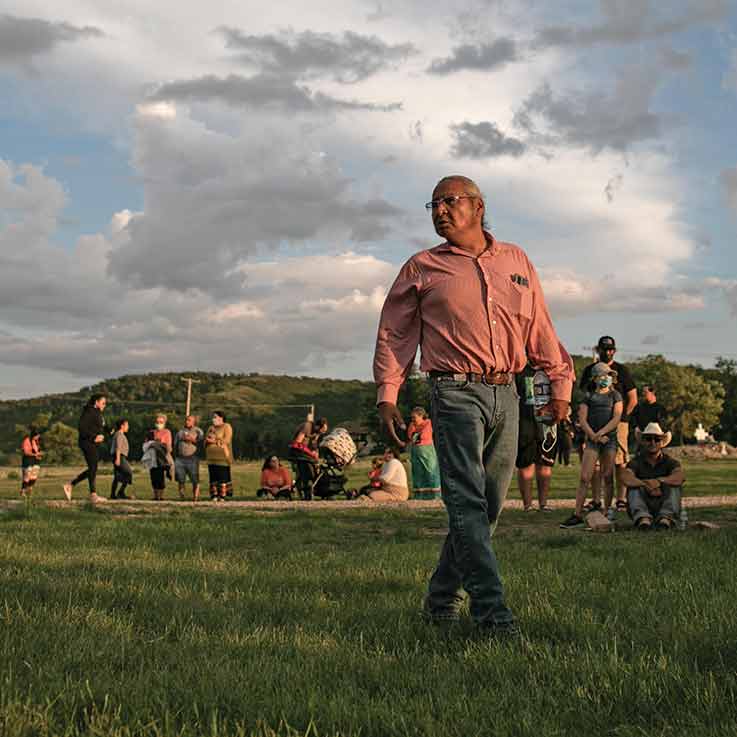
Residential schools were part of a nationwide assimilationist program for First Nations children in Canada. Today, communities are coming to terms with that past.
An excerpt from Prisms of the People on how collective action generates real, durable power.