


Before the Next Recession, Philanthropy Needs to Redefine Efficiency
In a crisis, short-term efficiency can be a shock amplifier. Long-term efficiency comes from building resilient institutions.

In a crisis, short-term efficiency can be a shock amplifier. Long-term efficiency comes from building resilient institutions.

Give big, give now, give smart, and give to address inequity: a conversation on making the most of your generosity with Jeff Raikes, cofounder of the Raikes Foundation; Fred Kaynor, vice president of business development and marketing at Schwab Charitable; and Michael Voss, publisher of SSIR. A sponsored podcast developed with the support of DAFgiving360.
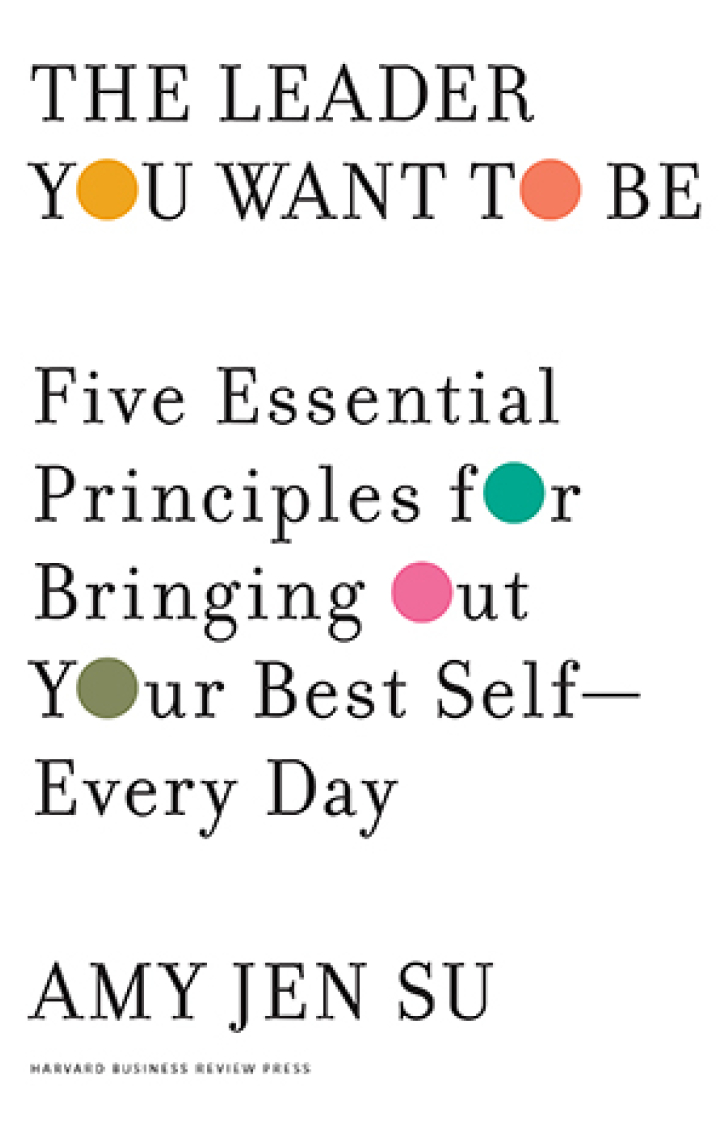
An excerpt from a new book explains the range of factors that challenge leaders’ ability to lead effectively.

When nonprofits try to plan for scale, systems change, and sustainability at the same time, they can find the expectations for achieving each at odds with each other. The answer is a flexible approach that focuses on the mission.

What is the role of funders in responding to abuses alleged within the organizations we support?

The United States can restore the trust that allows civil society to flourish by emphasizing the values that have long bound us together and by adopting the newer values of shared power and racial equity.

Daunting social problems need scalable solutions. Here’s how to know if you’ve got one.
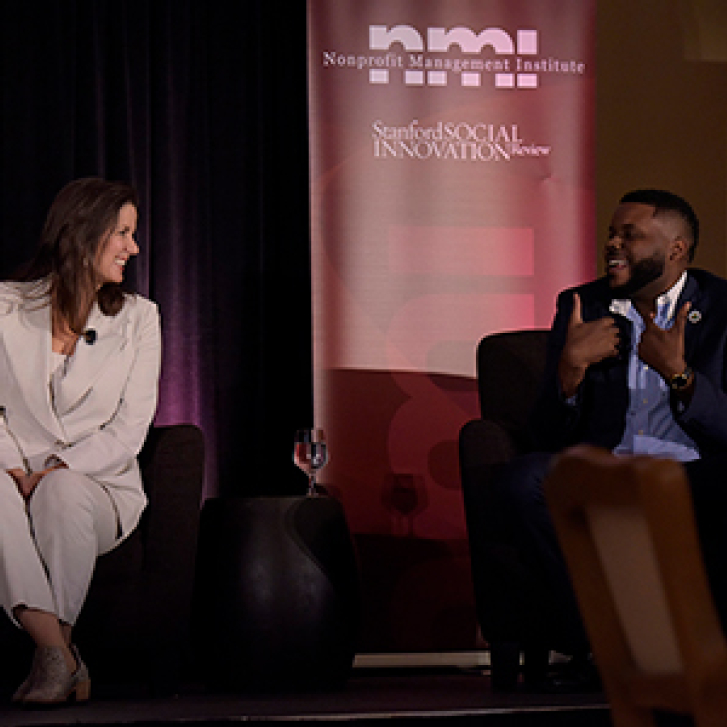
A discussion between two California mayors on how the public sector and nonprofit leaders can work together in a time of anxiety and disruption.

As charitable organizations ramp up their donor outreach during the busiest time of the year for giving, here are 10 articles to help them make the most of their efforts.

A public health innovation shows that innovators can accelerate the diffusion of products with social impact by pairing design thinking and behavioral science.