The Crisis of Youth Mental Health
Children and adolescents confront a mental health treatment gap in which many who need help do not get it. Philanthropy can help fill this gap by investing in new models of delivering care.
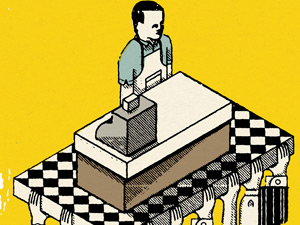
Anxiety about debt and financial stability can severely reduce the productivity and health of employees, which can hurt a company’s bottom line. Businesses, government, and philanthropic organizations should embrace the case for improving the financial well-being of workers.
The current approach to community revitalization has helped arrest and even reverse the degradation of American neighborhoods. But it cannot solve the problem without local ownership and control of assets and the decommodification of property.
Taxpayers should not have to subsidize excessive pay for executives at charities meant to serve the public good.
Ending energy poverty to address systemic inequality requires a much more ambitious plan than philanthropic and nonprofit leaders currently envision.
For real systems change, philanthropy must make greater investments in organizations led by the communities most affected by injustice.
Programs like Teach for America can help participants take on the perspectives of those they seek to help.
Lower-income communities have stronger need for nonprofits but struggle to attract and sustain them.
Funds that invest in social goals inevitably confront tensions with the goal of making money.
Being imprisoned hurts people’s prospects for employment by taking them out of the job market.