
The Moment for Participatory Democracy
Three civic engagement models that can help bring the voices of everyday citizens into public life.
Three civic engagement models that can help bring the voices of everyday citizens into public life.
How can NGOs help communities manage their own growth?
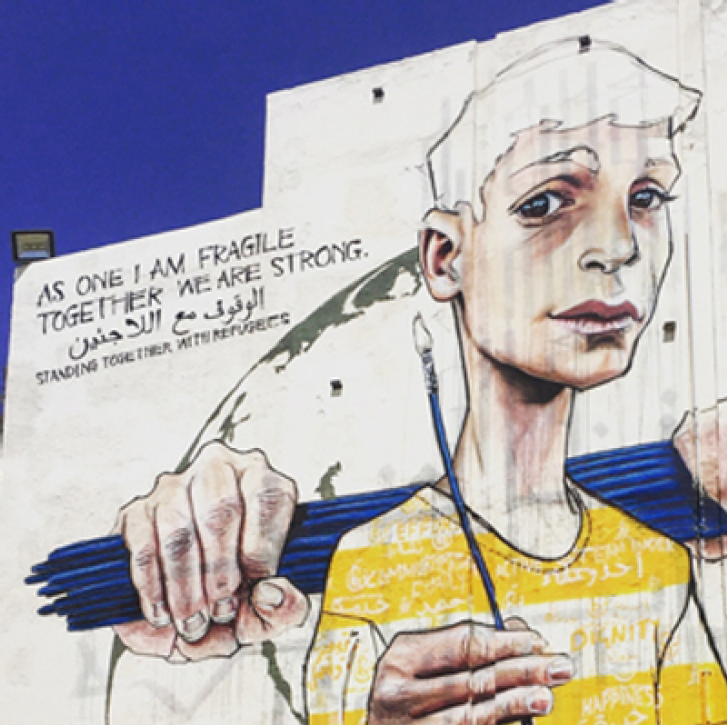
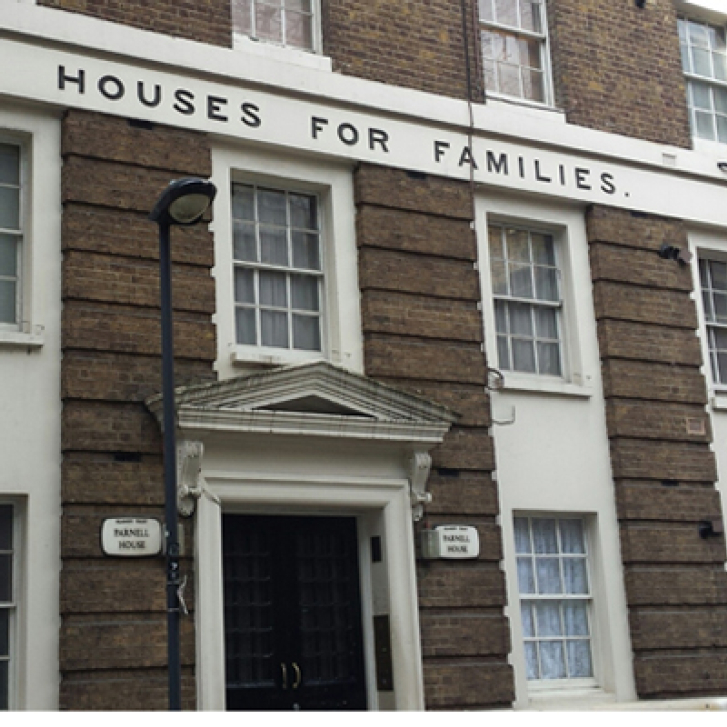
What we can learn today from an early approach to improving social conditions through investment.
Achieving marriage equality in the United States took time, tough questions, and coordinated efforts across politics, strategy, and messaging.

As nonprofits, NGOs, and funders increasingly seek innovative ways to address the total need around critical issues, new challenges, questions, and opportunities arise.

How can we engage vested interests in a move toward the kinds of assessments we increasingly need to measure a breadth of skills, when maintaining the status quo is easier (and profitable)?
Effective advocates may need to shift focus from political persuasion to public relations power.

Behavioral insights can inform low-cost, low-touch strategies for re-designing financial services that promote consumer well-being.
A growing number of US foundations are adopting practices based on systems change to achieve their goals in the current political environment.