


Philanthropy
A Light in City Hall
How one newcomer to the Los Angeles mayor’s office mixed government with philanthropy to make change.

How one newcomer to the Los Angeles mayor’s office mixed government with philanthropy to make change.
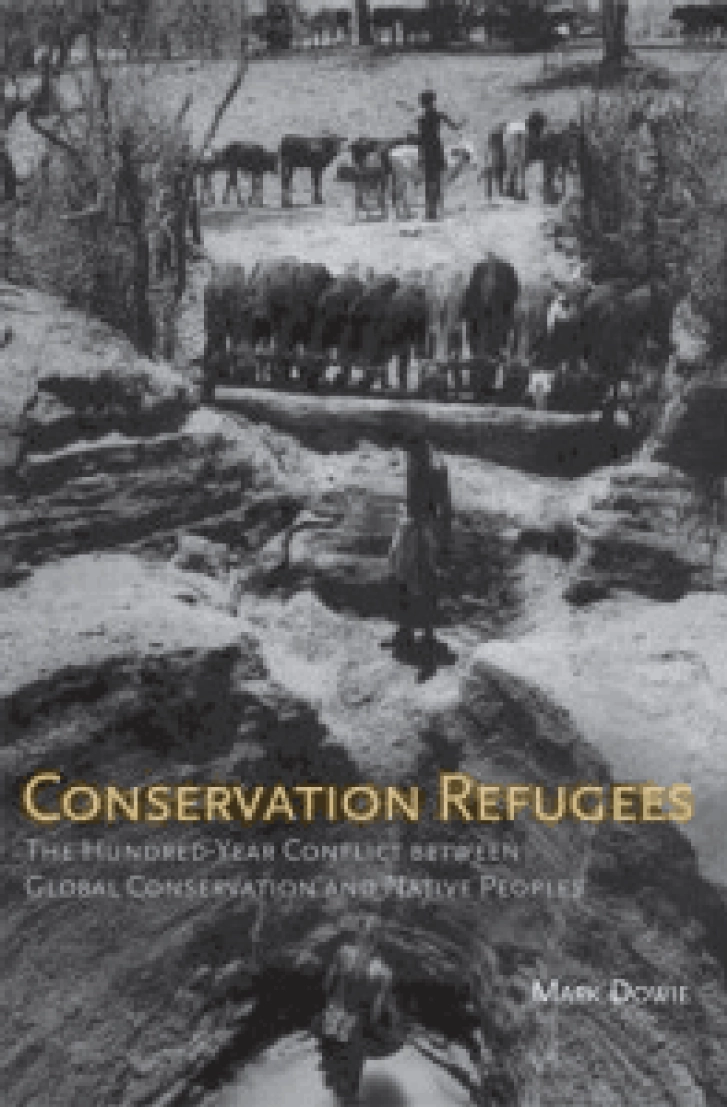
Conservation Refugees: The Hundred-Year-Conflict Between Global Conservation and Native Peoples by Mark Dowie
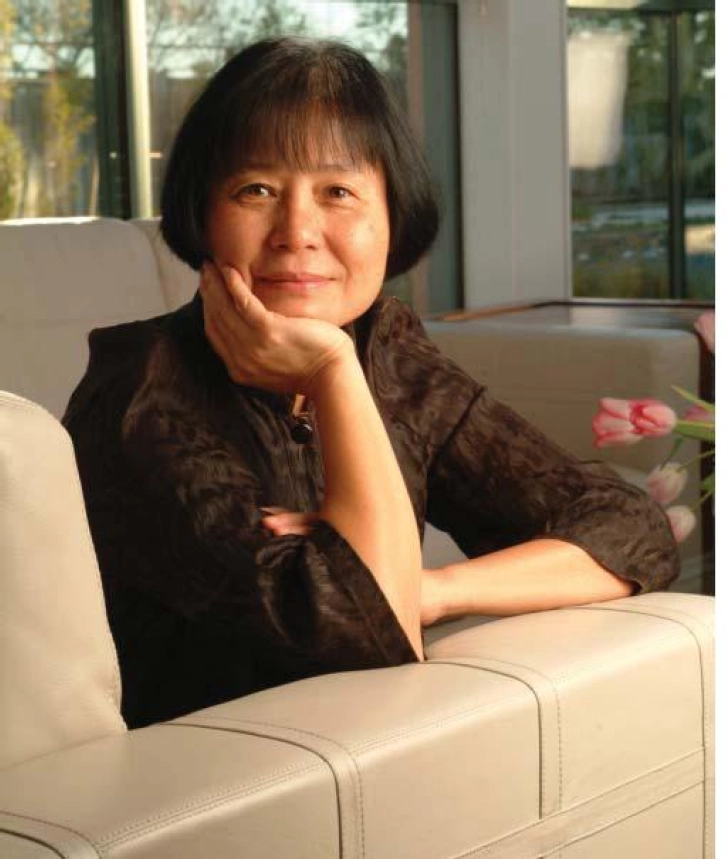
Maria Yee established her eco-friendly, high-end furniture company long before going green was the done thing. Two decades later, her company's environmentally sound practices not only reflect a planet-friendly ethos, but also drive a market-friendly creative edge.
Freelance workers, whose numbers are growing, are left without health insurance, a retirement plan, or a work community. The Freelancers Union meets these needs.

Protestants' work ethic is a product of the denomination's emphasis on education.
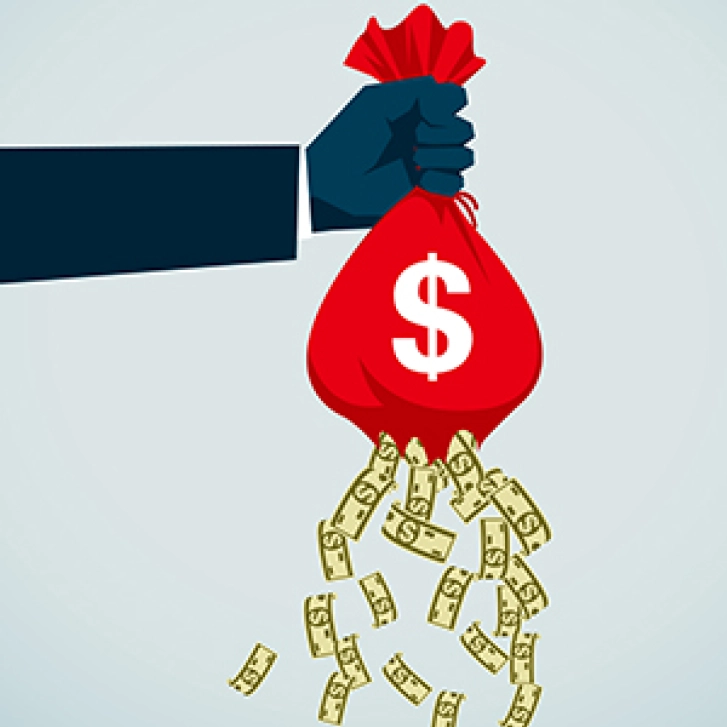
Funders must take the lead in breaking a vicious cycle that is leaving nonprofits so hungry for decent infrastructure that they can barely function as organizations—let alone serve their beneficiaries.
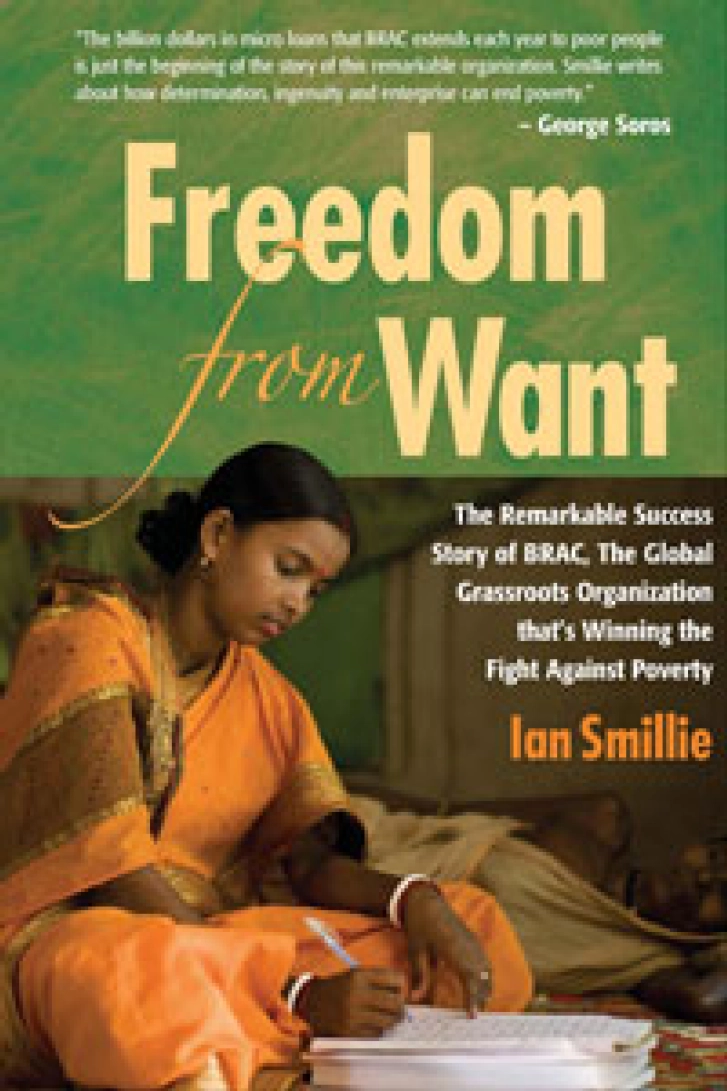
Freedom from Want: The Remarkable Success Story of BRAC, the Global Grassroots Organization That's Winning the Fight Against Poverty by Ian Smillie

Despite spending vast amounts of money and helping to create the world’s largest nonprofit sector, philanthropists have fallen far short of solving America’s most pressing problems. What the nation needs is “catalytic philanthropy”—a new approach that is already being practiced by some of the most innovative donors.