


Philanthropy and Inequality
The disruptive force of the "new philanthropy" holds the promise of helping to reduce inequality. But will it actually do so?
Reviews of new and notable titles (more)
The disruptive force of the "new philanthropy" holds the promise of helping to reduce inequality. But will it actually do so?
Environmental conservation and business investment are not mutually exclusive, argues the CEO of the Nature Conservancy.
The author provides a rollicking and detailed recounting of what it takes to build a social business in Africa.
Networks, equal access, and read-write products are no longer just core design elements of the Internet; we are making them real.
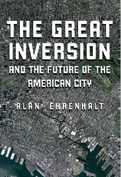
The vast majority of neighborhoods in American cities do not "trade places." Instead, concentrated poverty and its opposite, concentrated affluence, are surprisingly persistent.
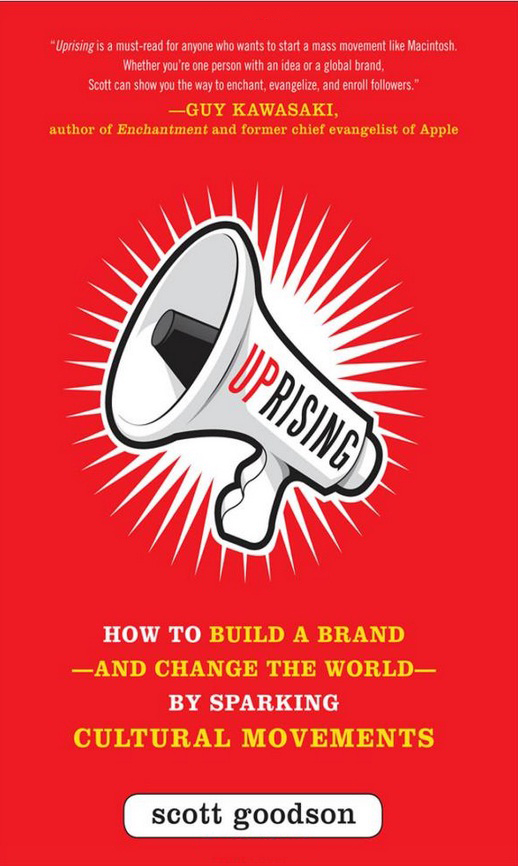
Can "movement marketing"—a means for companies to connect with consumers through social media—really lead to positive social change?

The public debate around climate change is no longer about science—it’s about values, culture, and ideology.
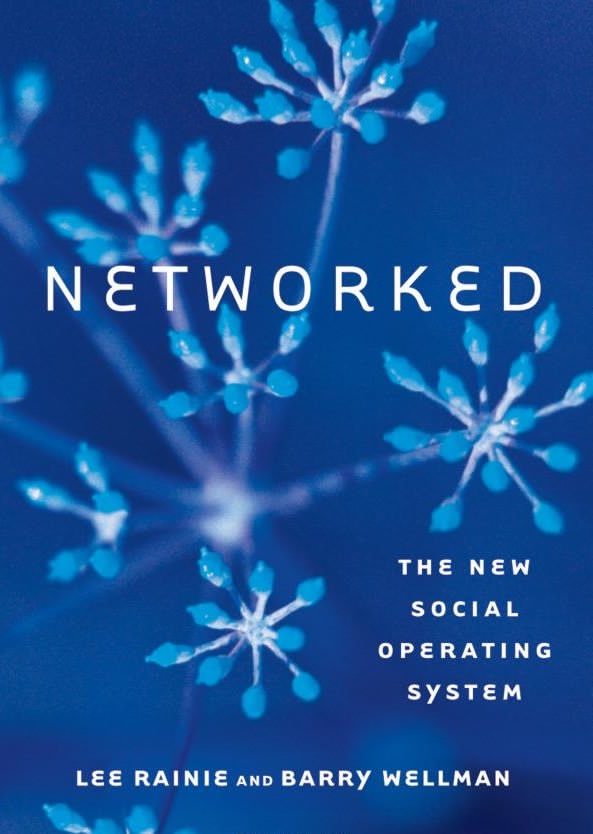
Researchers from Pew and NetLab examine how the Internet, mobile phones, and social networking are radically changing our lives.
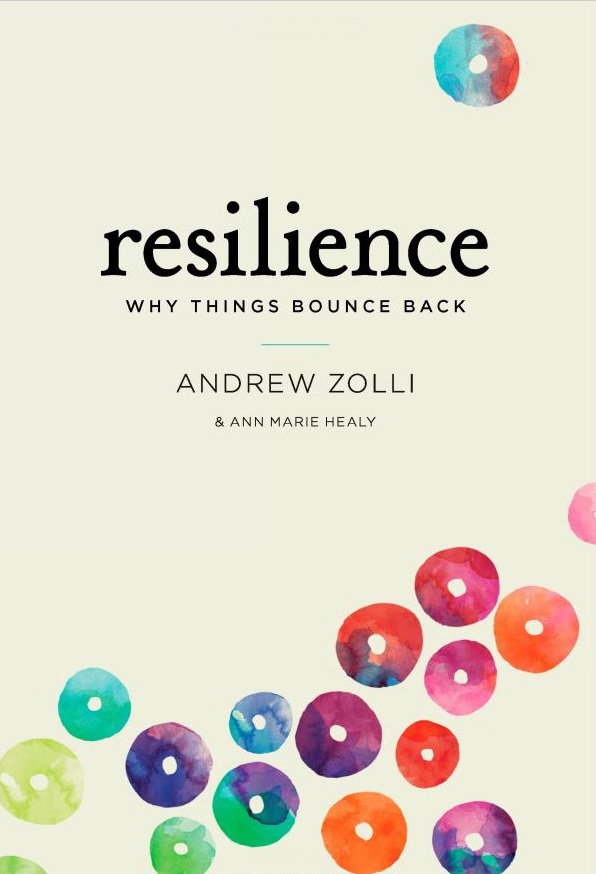
Why do some people, systems, and societies bounce back from adversity and other don't?
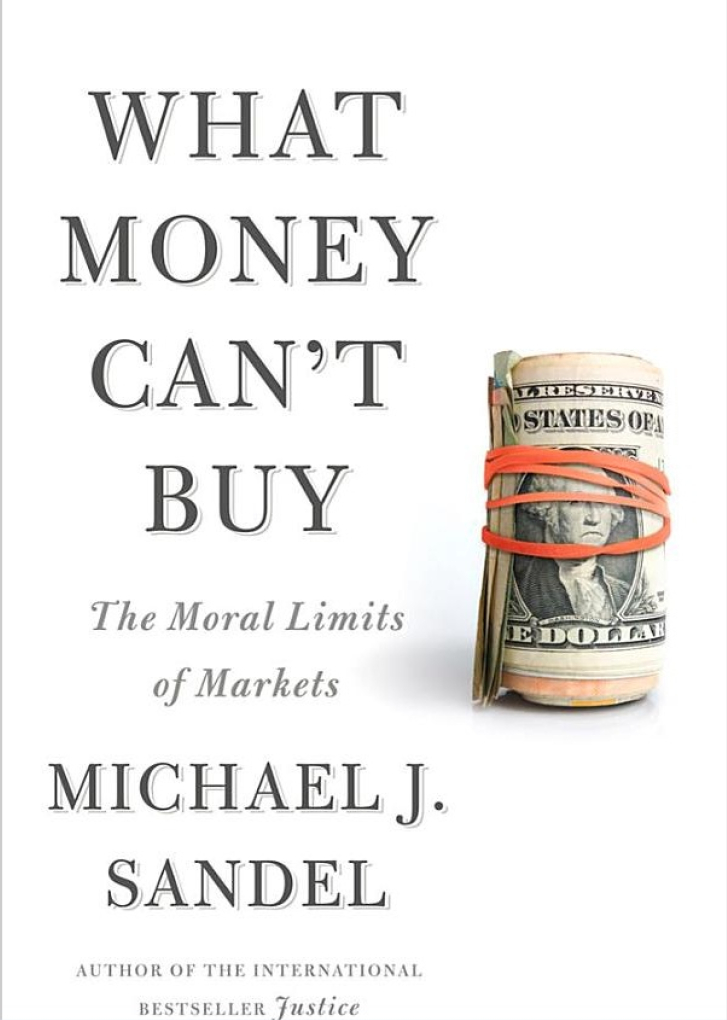
Michael Sandel's latest book takes up the question: What are the moral limits of the marketplace?