


Strength Through Flexibility
Over the past 17 years, the Forum for African Women Educationalists has delivered high-quality education to millions of girls across 35 African countries.
Innovations in educational policies, programs, and practices (more)
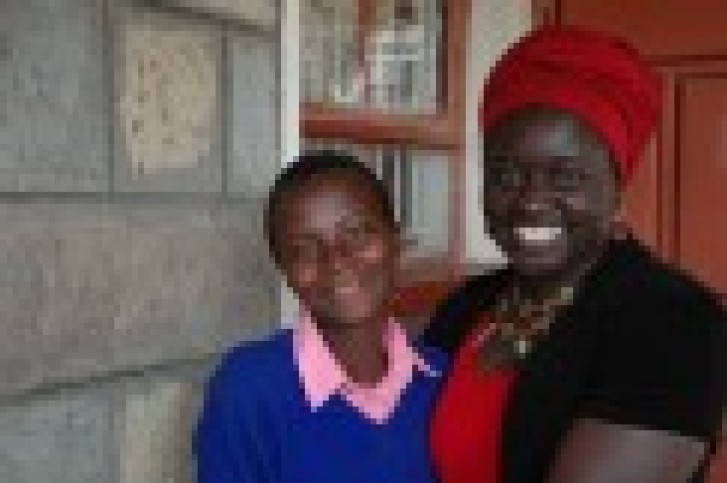
Over the past 17 years, the Forum for African Women Educationalists has delivered high-quality education to millions of girls across 35 African countries.
The area of education is ripe for social enterprise efforts, both within and outside U.S. borders. In this audio interview with Stanford Center for Social Innovation correspondent Sheela Sethuraman, Executive Director Tomas Recart talks about what Ensena Chile is doing to create educational change in Chile using the Teach For America model. He discusses recruitment, program evaluation, and the expansion of the effort to other Latin American countries.

Half the Sky: Turning Oppression into Opportunity for Women Worldwide by Sheryl WuDunn and Nicholas Kristof

The future of international development may lie in the hands of children. In this audio interview with Sheela Sethuraman, Jeroo Billimoria talks about how her organization, Aflatoun, provides social and financial education to youth ages 6 to 14 in 31 countries. She discusses Aflatoun's work with partners to create and disseminate innovative curricula to mainstream schools, and its vision for continuing to empower young people over the next five years.
The more empowered a country's women, the more vibrant its nonprofit sector.

To propel young folks to the polls, a political organization mixed Web 2.0 tools with social science savvy.

If you had to design a system to improve the quality of education in distant underprivileged schools, where would you begin? You might first step away from the problem and ask: What is the simplest "system" that could work in the real world? In this audio interview with host Sheela Sethuraman, Randy Wang describes his motivation to create Digital StudyHall, a collection of mundane technologies that have dramatically improved long distance education. He also talks about his progress and goals.

What fuels the creation of a nonprofit organization? In this panel discussion, sponsored by the Stanford Center for Social Innovation, panelists talk about their experiences founding an education-related nonprofit in the United States and a microenterprise in Africa. They explore how they came up with the ideas for their enterprises, how they focused and manifested those ideas, and what smart and not-so-smart choices they made along the way. A portfolio manager adds her insights on what elements make a startup appealing to potential funders.
America's primary and secondary education lags behind that of other advanced countries. In this panel discussion, hosted by the New Republic, experts argue that improving the quality of education would generate enough economic growth to pay for the entire education system itself. They suggest catching up will require cooperation, national standards, better incentives for teachers, and accountability.
Teach For America places thousands of energetic and committed college graduates as teachers in under-resourced schools for their first jobs. In this audio lecture recorded at the Stanford Graduate School of Business, Wendy Kopp shares why and how she started Teach for America in 1980, and its progress in raising the bar for under-achieving children. She also discusses how the organization rode out its "dark years," when enthusiasm and corporate support for the effort began to wane.