
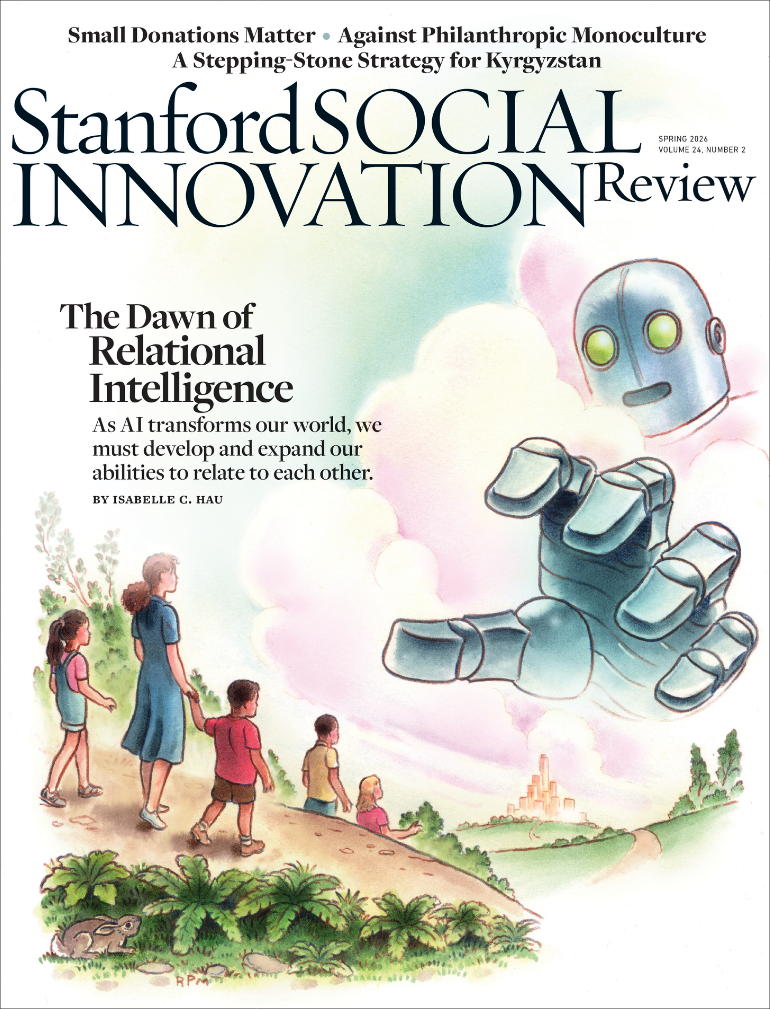

The Future of Family Philanthropy
In a time of complicated transitions and historical opportunities, philanthropic families must reflect on their purpose, pace, power, and practices.
New and innovative ideas for leaders of foundations (more)
In a time of complicated transitions and historical opportunities, philanthropic families must reflect on their purpose, pace, power, and practices.

As the movement to expand public use of nonprofit data collected by the Internal Revenue Service advances, it’s a good time to review how far the social sector has come and how much work remains to reach the full potential of this treasure trove.

A list of articles for NMI attendees on finding common ground to address pressing social issues.
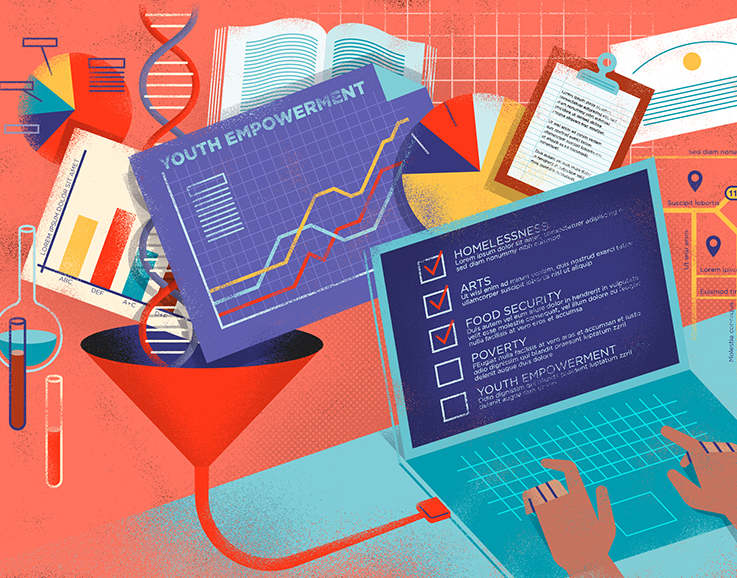
Wouldn’t it be great if you could simply report your program results and get them externally verified by a trusted third-party registry? It’s not as impossible as it sounds—in fact, we’re close.
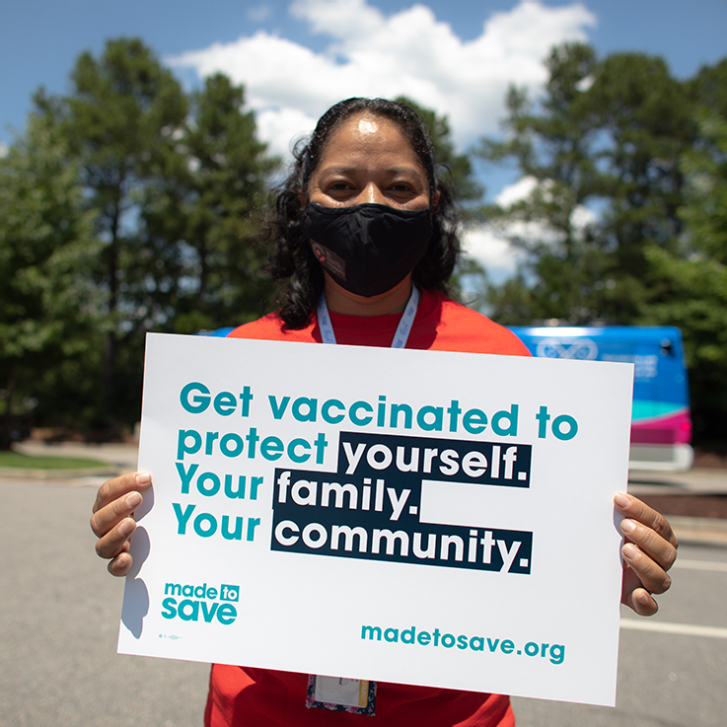
COVID-19 vaccine efforts showed how successfully centering communities can overcome mistrust and access barriers.
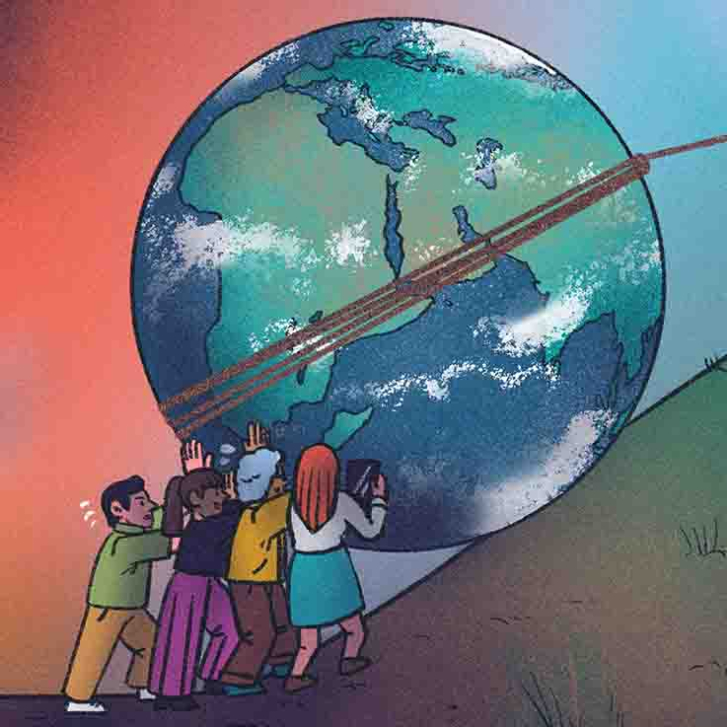
Through intentional investments and informed divestments, investors, philanthropists, and foundations can support environmentally conscious, community-centered, and reparative approaches to economic and technological change.

Who more than foundation leaders understand how a permanent asset like an endowment brings power? And yet, for most organizations we work with, we haven’t taken the strategic step to provide them with that power.

Four promising strategies to expand equitable access to safe and legal abortion care in the United States—and the particular role of philanthropic actors in advancing them.

Two years ago I quit my nonprofit CEO job. I’ve just had the two most productive years of my career.
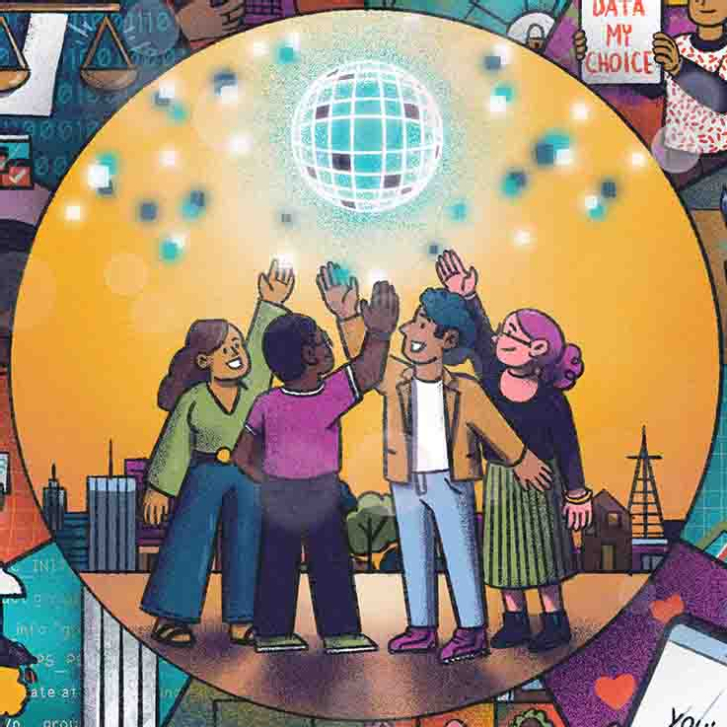
The public is not a monolith—it’s an interdependent ecosystem of communities who must determine the tools for a more caring future.