

Why Proven Solutions Struggle to Scale Up
Many social innovations fail because they are unable to bridge the “stagnation chasm.” Here is a look at the resources, ecosystems, and skills needed to overcome it.
Innovative ways nonprofits can increase their reach and social impact (more)

Many social innovations fail because they are unable to bridge the “stagnation chasm.” Here is a look at the resources, ecosystems, and skills needed to overcome it.
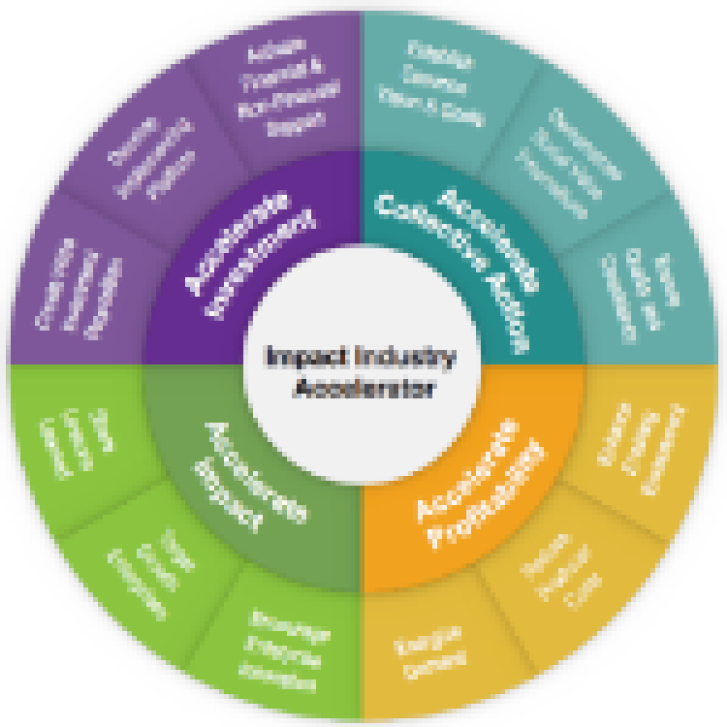
The experience of the Global Alliance for Clean Cookstoves in accelerating investment, collective action, profitability, and impact provides lessons for other impact industries attempting to do the same in base of the pyramid markets across the developing world.

Five years ago, Bill Drayton described the emergence of a new organizational model for the social sector. Recent research highlights its promise.

Impact evaluations are an important tool for learning about effective solutions to social problems, but they are a good investment only in the right circumstances.

Platforms that provide a way for patients, caregivers, and health care staff to share stories and develop solutions across the health system are disrupting traditional hierarchies in medicine.
To curb rising inequality, global leaders must work together to stop the flow of illicit wealth and mitigate tax avoidance.

Throughout the nonprofit sector, scaling is viewed as a cardinal imperative. But a surprising number of organizations are not (or not yet) equipped to expand their impact. Is your organization truly ready to scale? Here is a tool to help you find out.

By taking on an advising role, an organization can scale a core innovation with less demand on its resources than would be required through direct action alone.

Two approaches for nonprofits that want to work effectively with the government in India.

Little Free Libraries draw neighbors together on street corners, on school campuses, and in police stations.